
A Travelling Sprout
A Sprout Sees the Set of The Dish (amongst other sites)
By Shelley Banks
A road trip, travelling along the Newell Highway to the west, rather than the Pacific Highway to the east, provided an opportunity to see some towns I hadn’t been to before.
Crossing the border at Goondiwindi, the first place we stopped in western New South Wales was the town of Narrabri. Before visiting, the only thing I knew about the town was that it’s mentioned in an Ian Moss song.
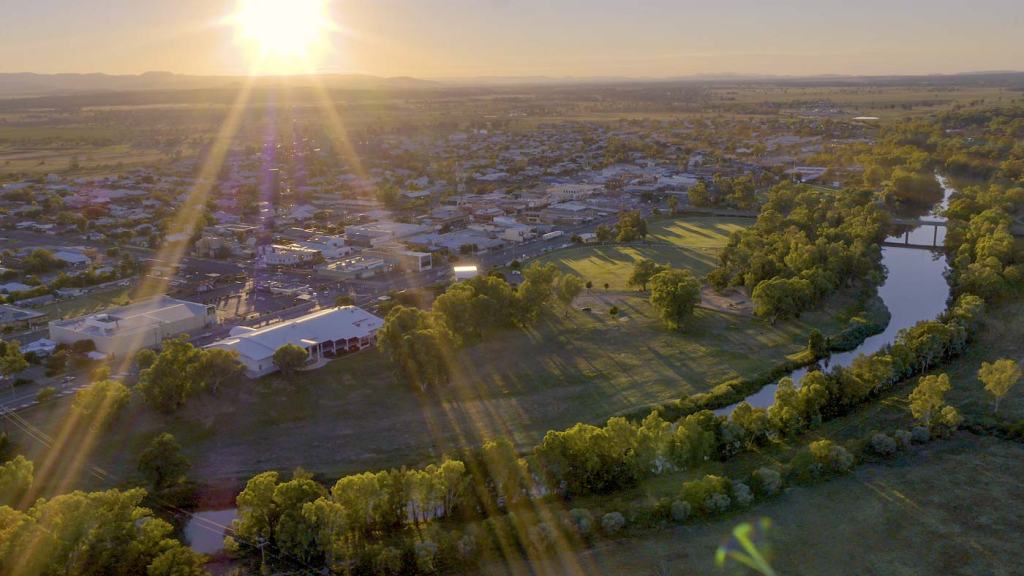
Located 580 kilometres southwest of Brisbane and 530 kilometres northwest of Sydney, the name of the town means ‘forked waters.’ It’s home to around 5500 people and is the centre of a major cotton-growing industry. Other agricultural industries in the area include wheat, beef and lamb. With such a focus on farming, it was no surprise that everything we ate while in town was fresh and premium quality.
For a small town, there are several great cafes and restaurants and if we’d had more time, we could have tried a few of them. But there were sites to see so we couldn’t spend the whole time eating and drinking.
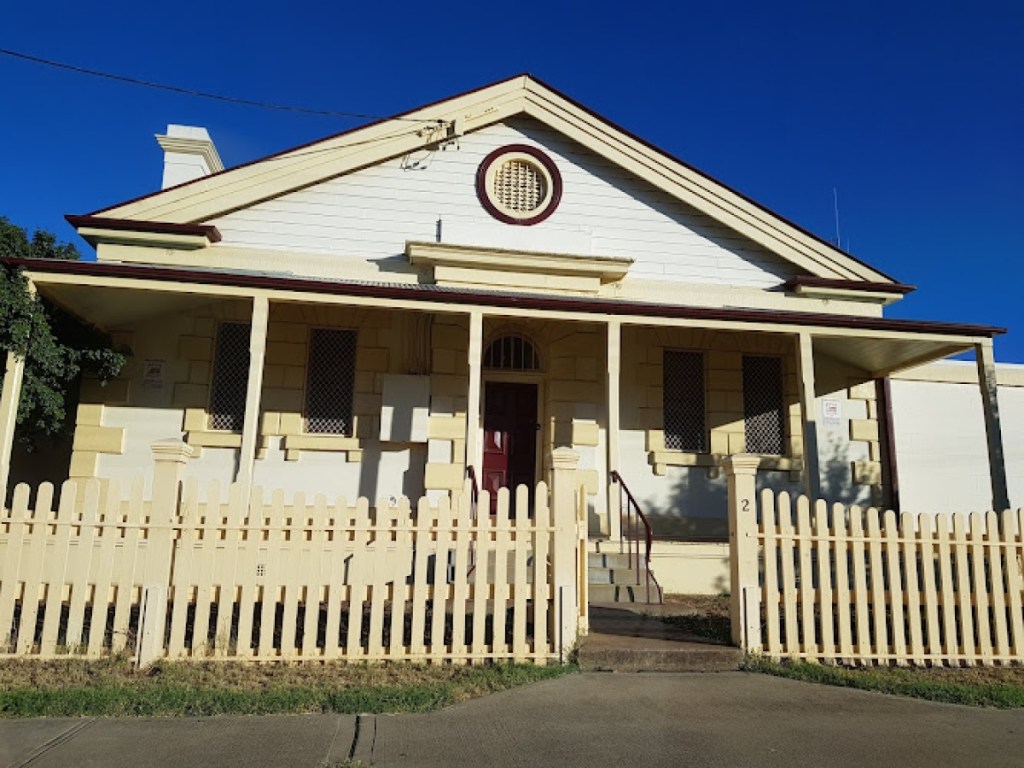
After wandering along the main street of town, looking at all the shops and the people frequenting them, we headed to the Narrabri Old Gaol Heritage Centre & Museum. Built in 1882, it was in operation for one hundred years, until 1982. It was restored in 1988 and has been a museum ever since. It gives you a great insight into what it must have been like to be a prisoner back in the day.
Not far from town, you’ll find Mount Kaputar National Park and one of its most popular attractions, Sawn Rocks.
Between 17 and 21 million years ago, erupting volcanoes created the Nandewar Ranges and the national park. The park is home to native plant and animal species, including the Giant Pink Slug, something I’d never heard of but did get to see. If you’re feeling energetic, you can hike the 1512 metres to the top of Mt Kaputar to get a stunning view of the surrounding region. Or you can just wander through the bush, keeping your eyes peeled for whatever you may see (like the slug).
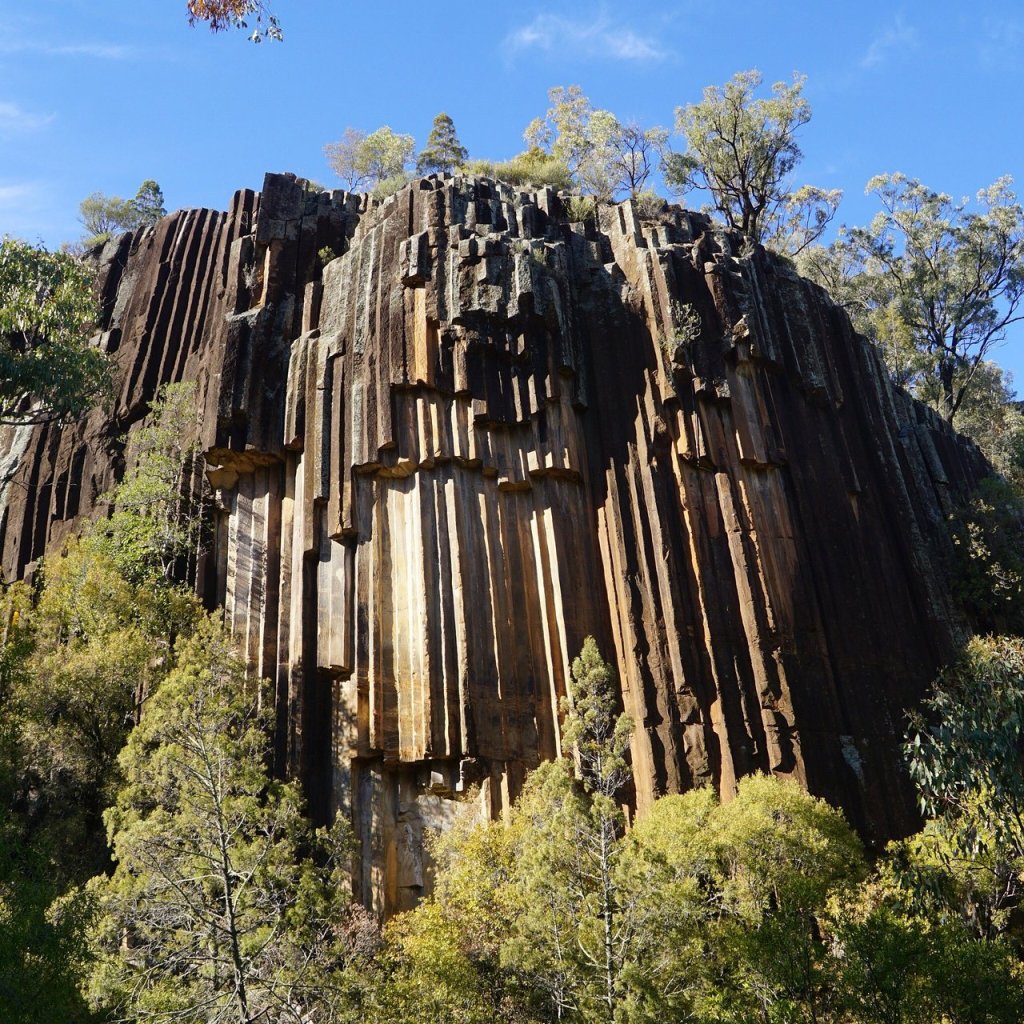
One of the most popular spots is Sawn Rocks, which according to the website is described as ‘pentagonal basalt pipes’. That description doesn’t do it justice though. To me, it looked more like a very large wall covered in organ pipes. It was formed because of slow moving and even cooling molten rock from the nearby volcanos. It’s only a 750-metre walk from the carpark to get a good view of Sawn Rocks and you’ll walk through eucalypts, figs, wattles and maidenhair ferns as well as see the clear pools at the base of the formation. It’s well worth a look if you’re in the area.
The next stop on the highway was Coonabarabran, known for being ‘the capital of Australian astronomy’, something I was not aware of, although I’ve never really been into astronomy so it’s probably not surprising. The reason it’s known as this is because the region has zero light pollution, meaning you’ll get the best view possible of the features of the night sky.
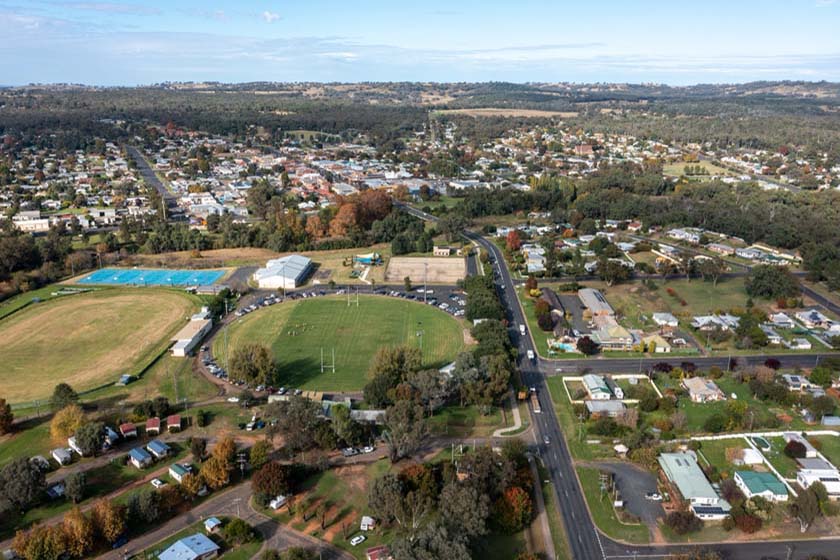
The town has a population of around 2300, many of whom refer to the municipality by its nickname of Coona. Being the capital of astronomy, a lot of the sites to see are related, like the Siding Springs Observatory, which is around 27 kilometres to the west of town. Located on the edge of the Warrumbungle National Park, it’s where you’ll find the country’s largest optical telescopes. Unfortunately, the observatory is closed to the public at nighttime so you can’t gaze at the stars, but you can wander around during the day and see the telescopes and the exploratory centre.
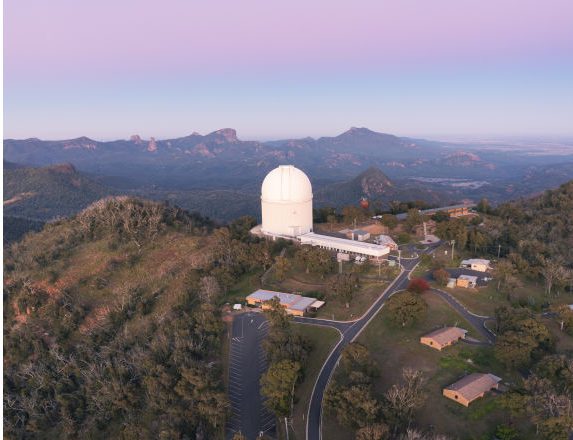
Keeping with the theme of astronomy, this time, with a chance to gaze at the nighttime sky, we headed to the Milroy Observatory to join ‘Donna the Astronomer’ for a fascinating journey through the evening sky. The shows, which are very informative and also a lot of fun, go between 75 and 90 minutes and it can be very cold depending on the time of year as the presentations are done outside (for obvious reasons). As we found out during the show, Donna used to work at the Siding Springs Observatory for many years and discovered two comets, which is something not many people can claim.

Wanting to do an activity not related to astronomy, we trekked the Mount Exmouth walking track. It was a much longer walk than we thought, and we were tired by the time we got to the peak, but it was worth it. The views from the top are amazing and, on the way, we saw native wildlife and stunning scenery. From nature in the sky to nature on the ground. It was all worth seeing.
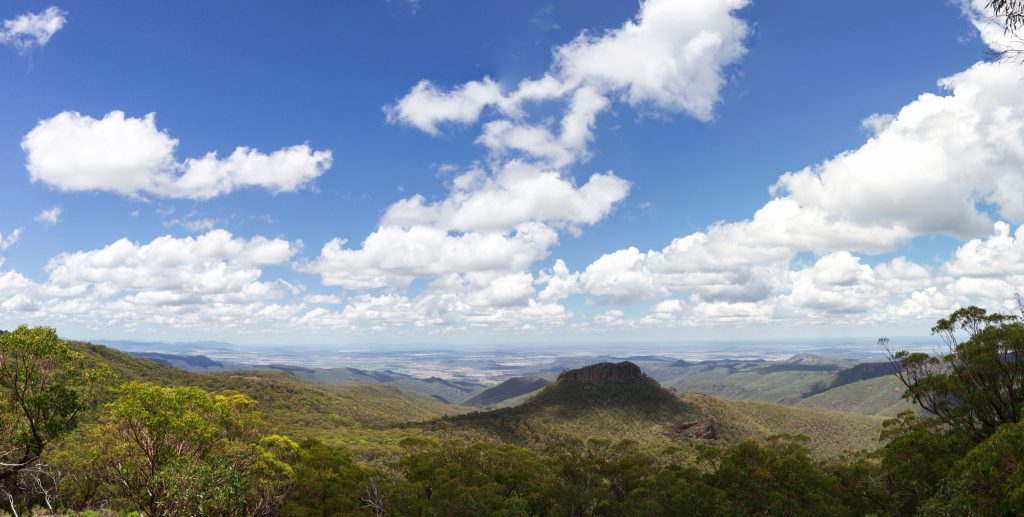
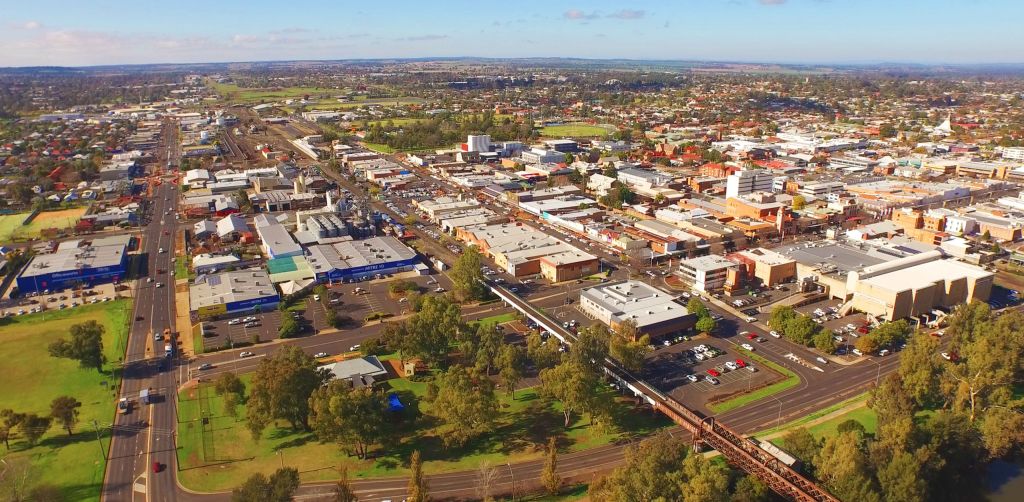
Next up on the road trip was Dubbo, which is located at the intersection of the Newell, Mitchell and Golden highways, 303 kilometres northwest of Sydney. It officially became a city in 1966 and has a population of around 44,000.
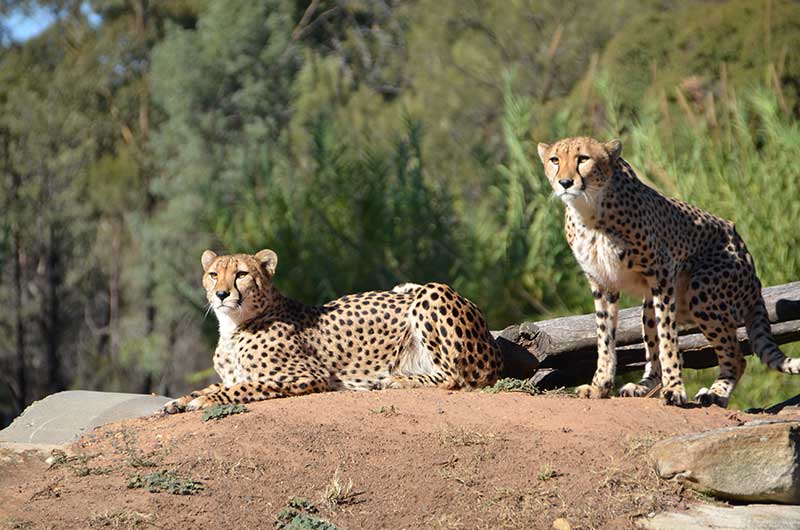
There’s plenty to do and see in Dubbo but we only had one day so we headed to the number one attraction – Taronga Western Plains Zoo. Not just any old zoo, but an open range sanctuary where you can walk, drive your car or hire bikes or carts and ride around the zoo’s five-kilometre circuit. With all those options, it’s hard not to feel like you’re on a safari. Or as one of the signs proclaims – ‘a zoofari!’.
We drove around the site and saw hundreds of animals including giraffes, elephants, rhinoceros, lions, tigers, lemurs and spider monkeys. If we’d had more time, we would have stayed overnight. There are several accommodation options including a lodge, cabins and camping. And we could have gone around the zoo again the following morning as entry tickets are valid for two consecutive days.
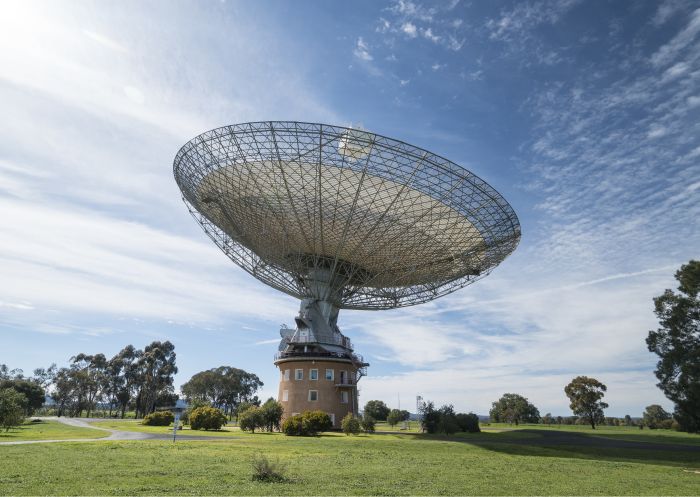
On the final day of the trip, the last town to visit was Parkes, the home of ‘The Dish’, as made famous in 1969 and then again in 2000.
1969 was the year of Apollo 11 and the moon landing and the Parkes Observatory played a key role in relaying live television of humankind’s first steps on the moon. The story was made into a comedy/drama film in 2000 and was the highest-grossing movie of that year. It had been a while since I’d seen the movie, and being in town was a prompt to watch it again. And then I scouted around to locate filming locations, although, given a lot of the movie was shot in the nearby town of Forbes, I didn’t see too many familiar sites. But it was interesting to see ‘The Dish’, the real one that is, as well as the movie, and see how a small town in western New South Wales became part of history.
Musings
Working out West
By Shelley Banks
Occasionally, for work, I travel to a location away from my usual office. One such occasion was a trip out west to Toowoomba. And I couldn’t help but notice the difference in how my day started, compared with my usual mornings in Brisbane.
The first thing that stood out was the lack of bumper-to-bumper traffic, overcrowded buses and beeping horns. They were replaced with 4WD utes with bull bars. But not enough utes that the streets were raucous. Quite the opposite. The drivers of the utes were unperturbed when faced with a red light, slowly coming to a stop, then slowly driving on when the lights changed to green. I’m used to drivers who have already started to inch forward in anticipation of the lights changing as if a second or two will make all the difference.
The next thing that stood out was the queues at the coffee shops. There weren’t any. My usual workday morning is lining up with other office workers who don’t kick into gear until they’ve had their caffeine. And on the footpaths, there was no navigating through crowds and running across the streets before the walk sign changed to red. There was no rushing at all.
And people smiled and said good morning, which was a pleasant change from people either pushing me or ignoring me completely. I didn’t see many people in corporate attire either. Maybe there’s a link between a more relaxed way of dressing and a more relaxed nature.
By the time I got to the office, I was feeling stress-free, which was a nice change from the usual harried way I feel, induced by the crowds and the noise, which is hard to drown out.
It was a very pleasant way to start the day. Not enough to make me want to move though.
Short Stories
A Life Out West
By Shelley Banks
As she headed west, Savannah was excited. She’d never lived in the country before, but the idea of a tree change had appealed for a while now. She’d had enough of the city with its pace and pressures. The long hours at her job, always looking over her shoulder at the eager, younger ones who all wanted her position. And battling the traffic before she even got to the office. She couldn’t remember the last time she caught up with her friends or last attempted a hobby. It was time for a change. Time to slow down.
Arriving in town, she went to her new office first. She had to drive by it to get to the house she’d rented anyway so she figured she may as well. A small country lawyer, rather than a big city one. It might take some getting used to.
‘Good afternoon,’ a cheerful voice said from behind the reception desk. ‘You must be Savannah. I’m Nancy.’
‘Nice to meet you.’
‘Did you have a good drive out?’
Savannah nodded.
‘We’re glad you’re here. Alan has been run off his feet.’
Savannah was surprised. She’d been told when she had the interview that business was good. That’s why they needed someone else. But run off his feet?
She must have had a surprised look on her face because Nancy then mentioned that the solicitor in the next town over had retired so they were now the only ones in the district who could provide legal services.
As Nancy took her on a quick tour of the office, Savannah still wasn’t sure about how busy it would be, even with the retirement she’d just heard about. Busy maybe for this town, but not compared to where she came from.
That night, after Savannah unpacked the things she’d brought with her in the car, she looked around her new home, grateful that she’d paid the moving company extra to unpack everything that had come out in the truck. She didn’t want to waste time setting up the house. She wanted to jump straight into work. As she walked around the house, she couldn’t help but notice how quiet it was. She couldn’t see many lights when she looked out through the windows either.
The next morning, used to peak hour traffic, she left with plenty of time to get to work. But here, peak hour traffic consisted of ten cars, most of them utes, so she got to the office early. The door was locked, and she didn’t have a key yet, so she decided to go for a walk along the main street. Everyone she passed said good morning, something she wasn’t used to. And when she stopped to get a latte, the woman who served her chatted while she worked the coffee machine. By the time she got back to the office, she’d spoken to more people, not related to work, in one morning than she had in the previous month.
‘Good morning,’ Alan said as he walked in, thirty minutes later. ‘Glad to have you here. Sorry, I’m late on your first day. The chickens got out and I had to round them all up. Has Nancy shown you around?’
Savannah nodded, but her mind was on chickens. She’d never heard that as a reason why someone was late for work.
She was still thinking about chickens when Alan said her first client would be arriving in thirty minutes and handed her the file.
By the end of the day, she’d seen five clients, all with easy matters that she could have handled in her sleep. But they were all pleasant people and the day passed quickly.
And so, a pattern emerged over her first few weeks in town—nice clients and easy work. And as she’d suspected, busy for a small country town but slow compared to a large city firm.
By the end of the first month, she was missing the challenge. By the end of the second month, she was missing her city life, even though she’d been so focused on work that she hadn’t taken advantage of everything on offer. By the end of the third, she’d handed in her resignation and got the movers back.
Even though she’d wanted a change, what she’d done was too radical. What she needed was her city life, but with a job that gave her the time to enjoy it. Which she found within a week of returning to the city. And it didn’t hurt that she’d negotiated more money.
Sometimes, a smaller change is better than a bigger one.
Something Light
Dressed for the West
By Shelley Banks
I’ve noticed a lot of people lately, wandering around the city dressed like they just got off a horse. Last time I checked, there weren’t any cattle stations on Queen Street. A bus station, yes, but none of the animal variety…although given the state of some of the people I’ve seen on buses, maybe that statement isn’t exactly true.
But more often than not, everywhere I go I see someone in ‘Western clothes’—jeans and a checked shirt, or a shirt or jumper with the name of a popular Western clothing brand on them.
It’s more prevalent at this time of year with the Ekka in town. But that makes sense because that’s when the country comes to the city and Brisbane has an influx of people who actually live out west, on properties the size of an inner-city suburb.
It’s when the Ekka is over, and those people leave town, but their fashion sense remains. Dressing like you’re about to head off and muster sheep just looks out of place in amongst the hustle and bustle, where the only thing you can muster is traffic.
Which on reflection may not be a bad thing. It might help me get to where I’m going quicker. Dressed in city clothes.
Books
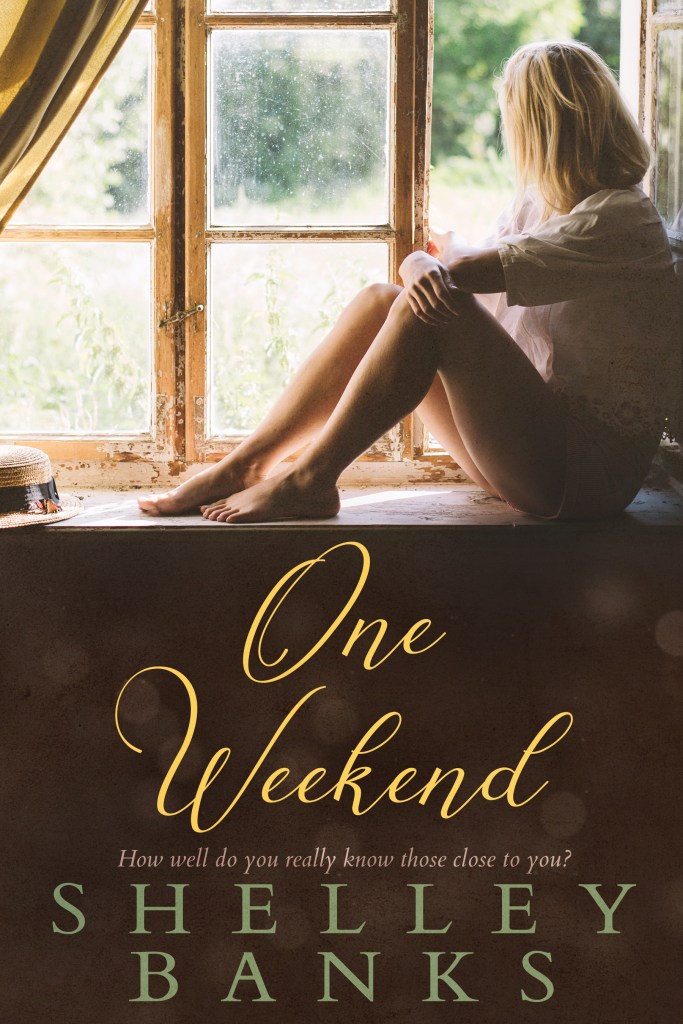
If you like my short stories I’ve published ten books.

 September Sprouts