
A Travelling Sprout
A Sprout Strolls Around Tuscany
By Shelley Banks
After successfully navigating Rome Termini, it took only 90 minutes for our high-speed train to transport us to Florence’s Santa Maria Novella station. Before we knew it, we were in Tuscany. Over the next few days, we would explore the region’s capital, along with the medieval town of Siena, as well as a quick morning detour to Pisa.
We began our Tuscan adventure exploring the birthplace of the Renaissance, with its grand piazzas and cobbled laneways. With limited time, we prioritised the sights so we could fully experience each one.
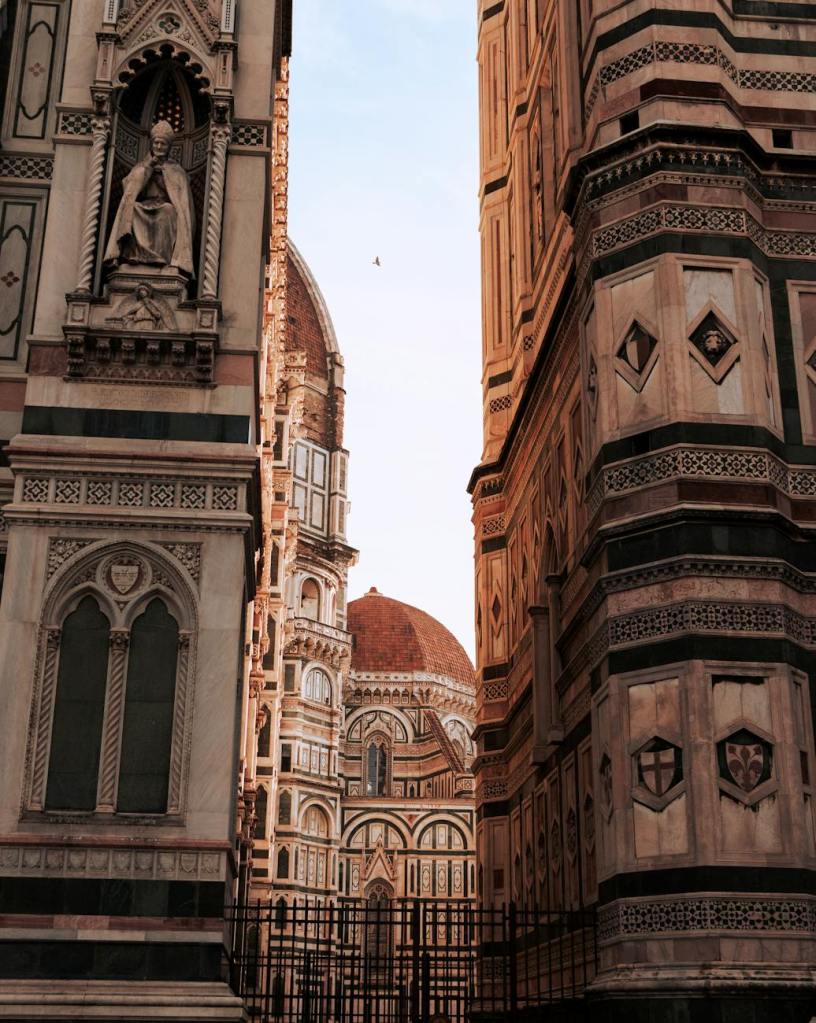
The renowned Cathedral of Santa Maria del Fiore, also known as the Duomo, was the first stop. Its construction began in 1296 and reached completion in 1436. Brunelleschi’s terracotta-tiled dome and the marble exterior of green, pink, and white make this Florence landmark a must-see.
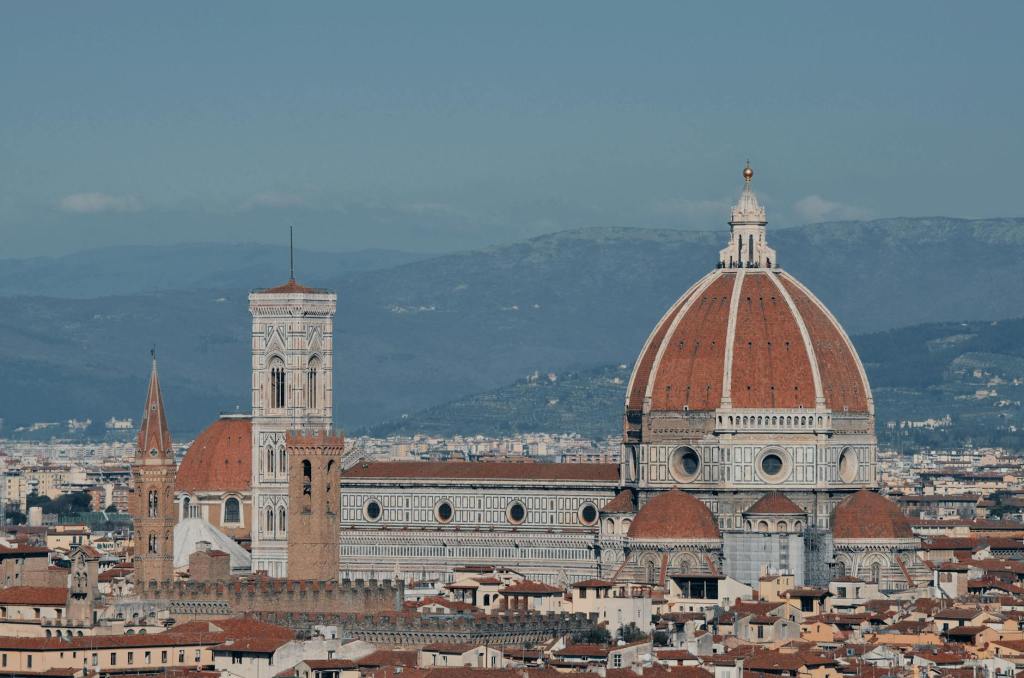
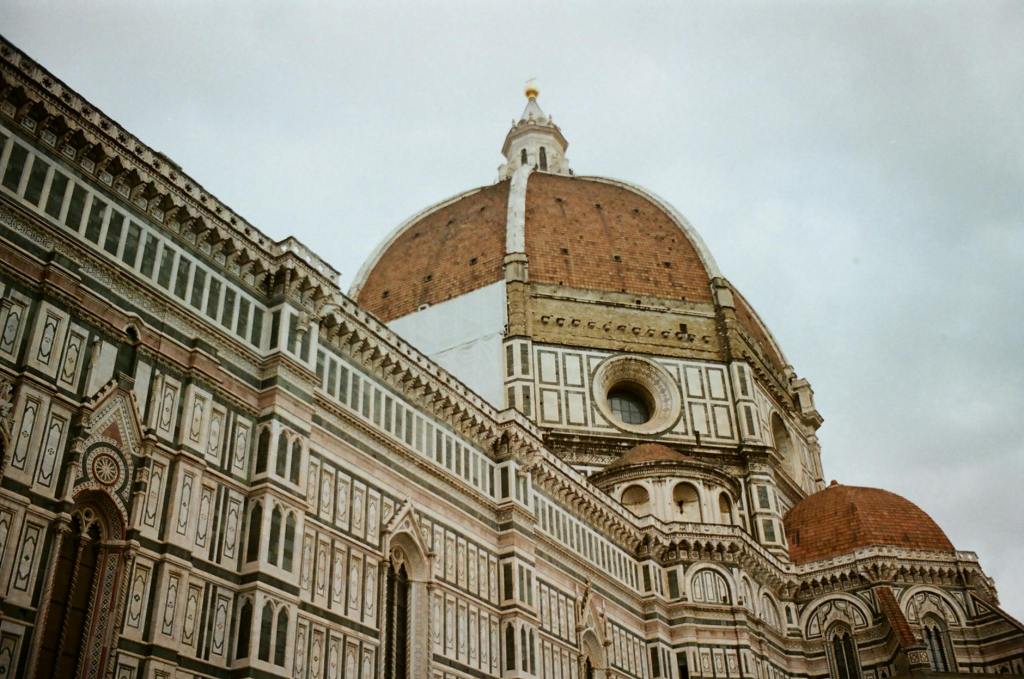
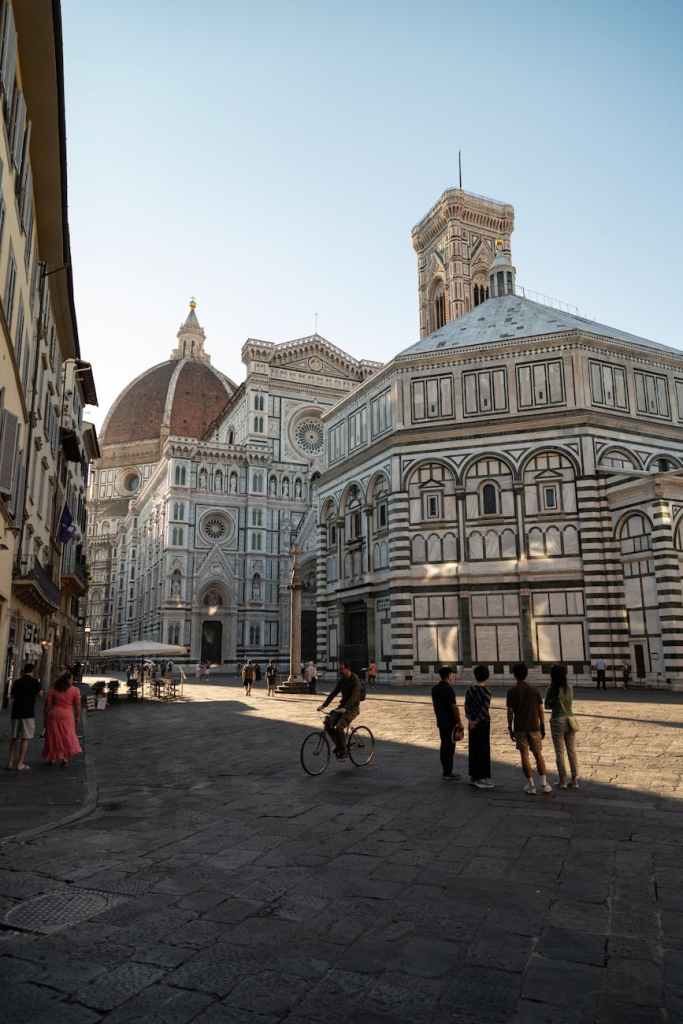
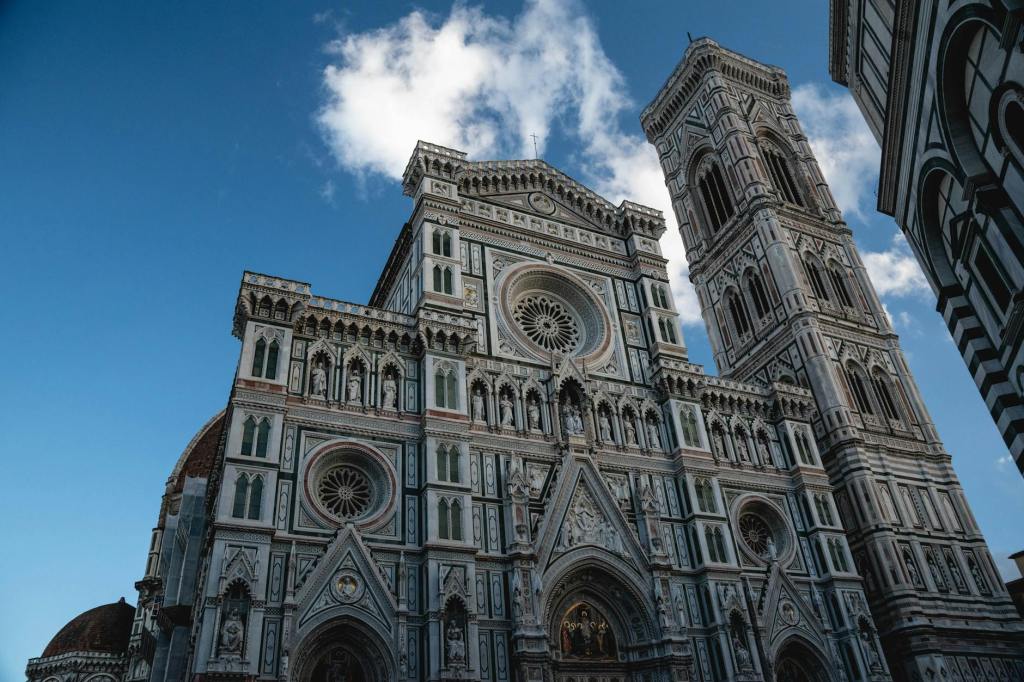
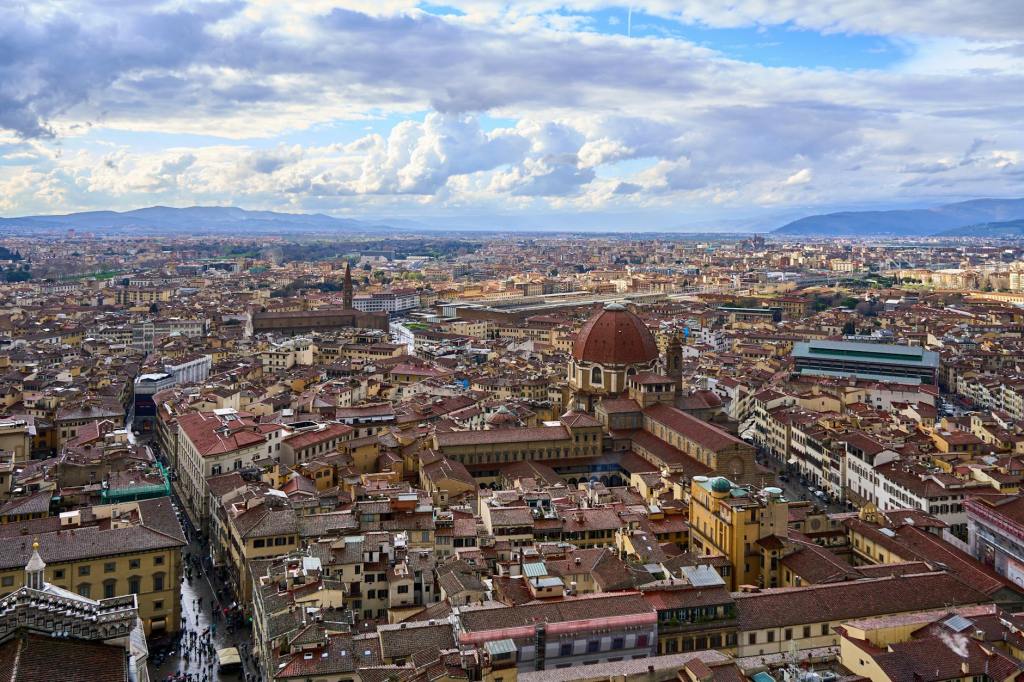
We toured the cathedral complex, then climbed through narrow passageways and up the 414 stone steps to the dome. The effort was worthwhile for the stunning panoramic views of Florence. Since the Duomo is a popular attraction, we pre-purchased tickets prior to our departure to make sure we could see it on the day we wanted to.
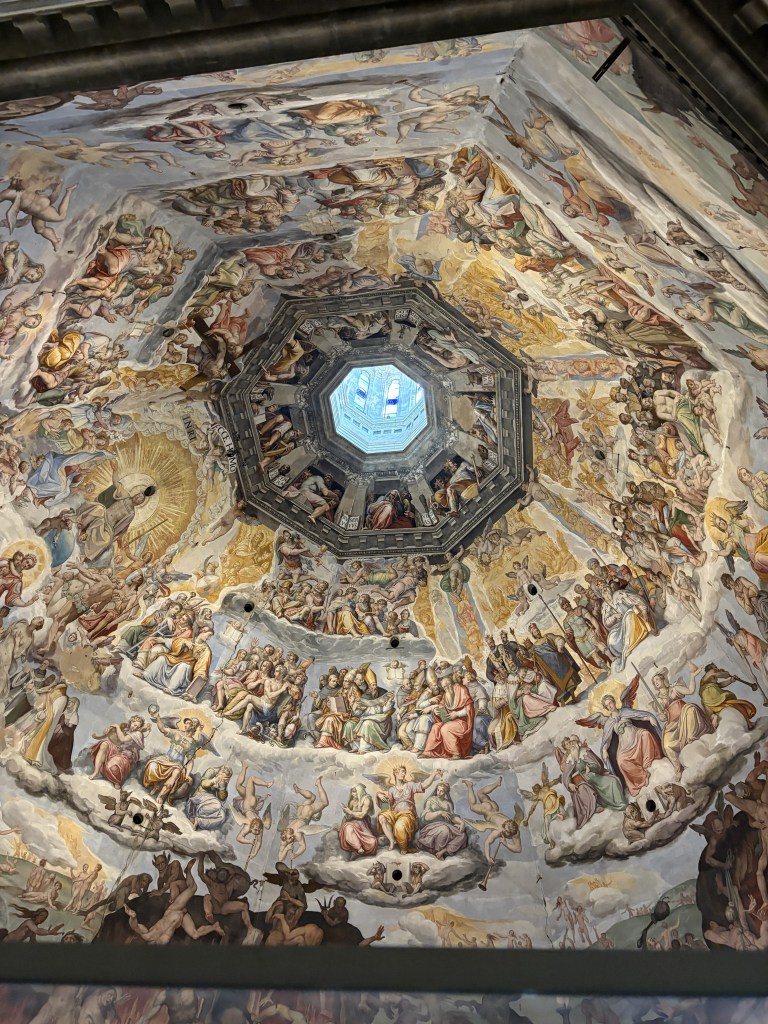
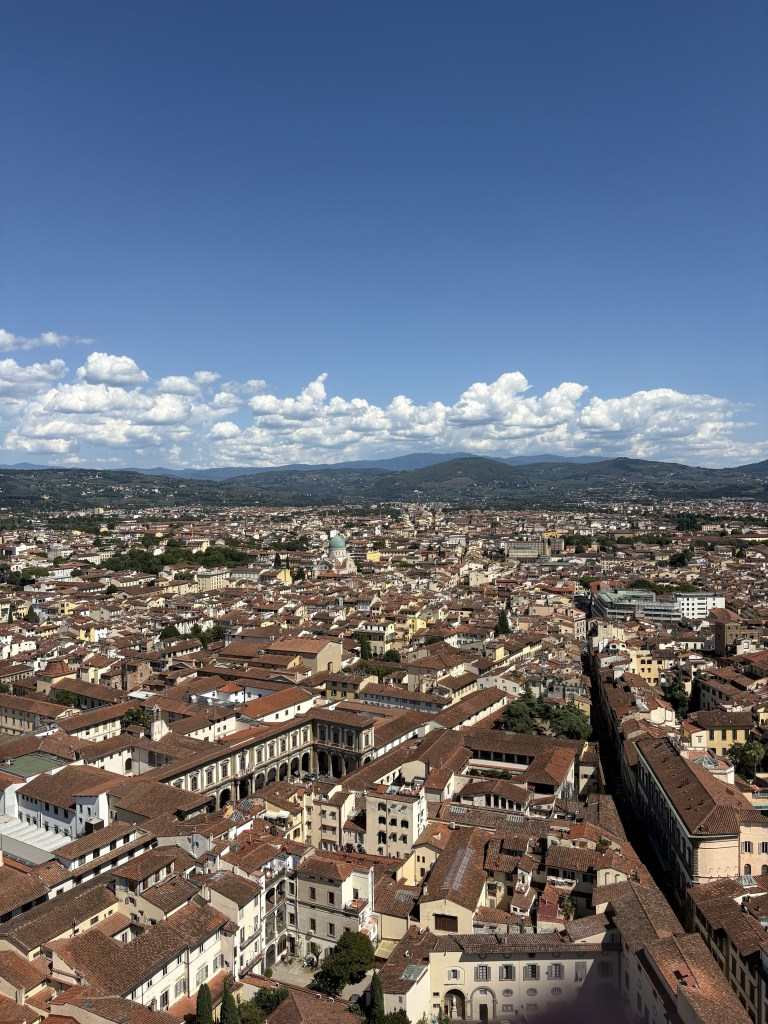
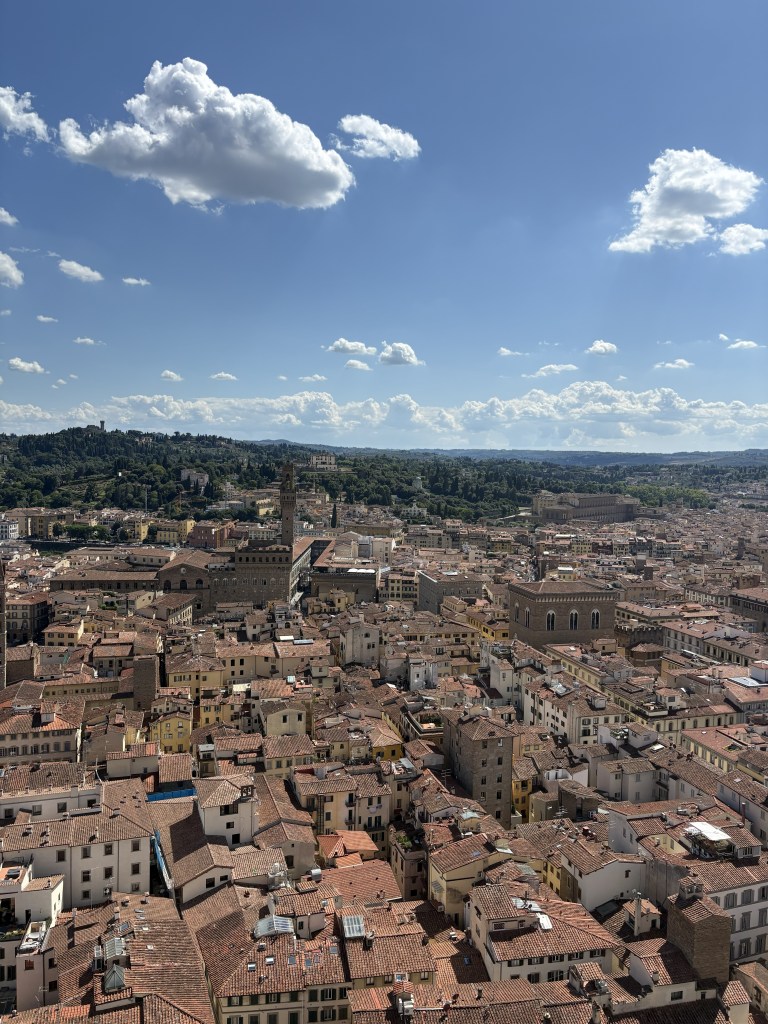
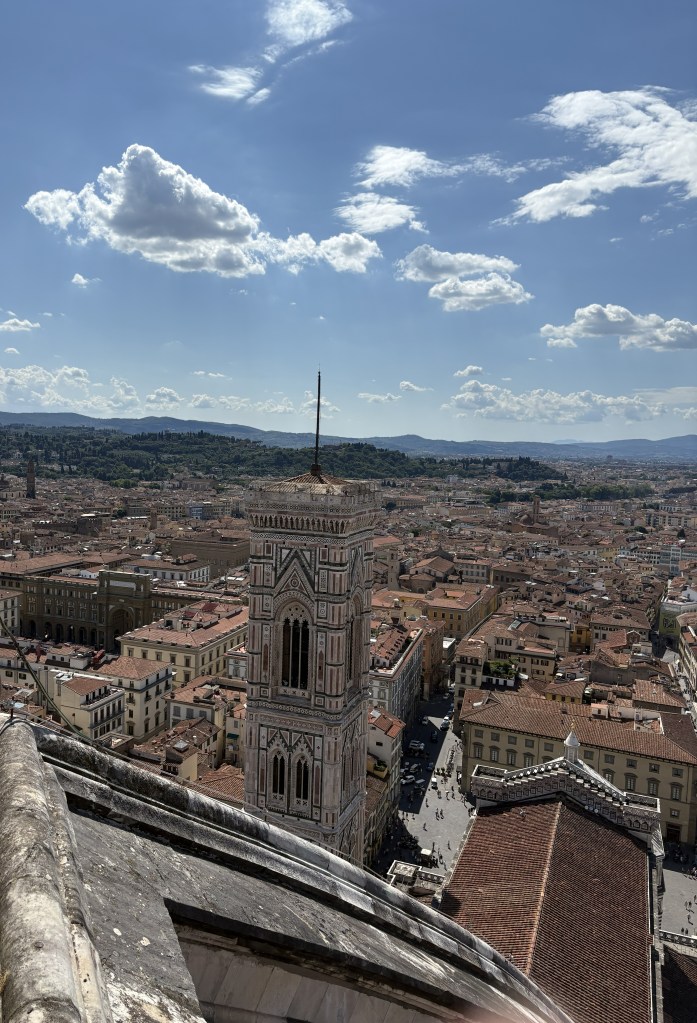
Before sunset, we visited the Galleria dell’Accademia, which houses the largest collection of Michelangelo’s sculptures globally, including the renowned David, which is widely regarded as a masterpiece of Italian Renaissance art. Created between 1501 and 1504, the statue stands 5.17 meters tall and was carved from a single block of marble.
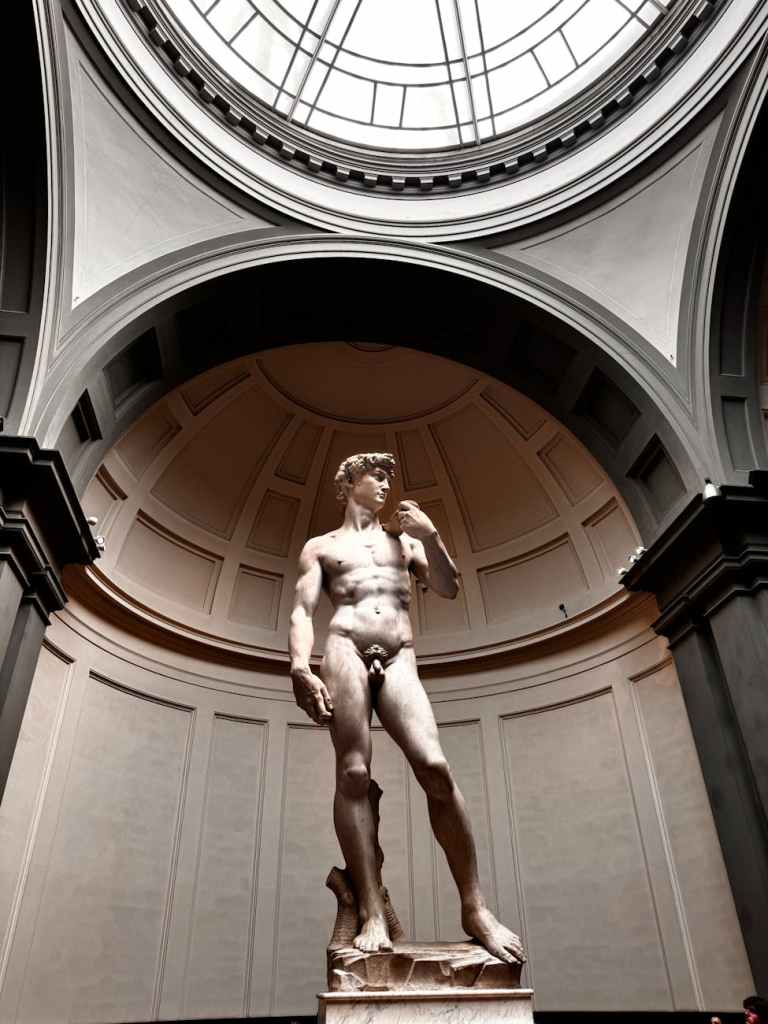
The gallery is among Florence’s most prominent museums, drawing millions of visitors annually, many of whom come specifically to view David. Due to its popularity and daily visitor limits, we also pre-purchased tickets which proved advantageous, as ticket availability was extremely limited for our preferred date, similar to our experience at the Duomo.
After checking off two major sights on our first day, we meandered through quiet back alleys towards our hotel, pausing for what turned out to be the first of many Limoncello Spritzes we’d savour in Tuscany. We had dinner at a neighborhood restaurant near our accommodation—complete with classic Italian touches like red-checked tablecloths and live accordion music—but the real highlight was the pizza, which was absolutely delicious and unlike anything we’re used to at home.
Food was the theme for the start of the following day as we enjoyed an Italian breakfast featuring ham, tomatoes, bocconcini and mimosas in the rooftop restaurant at our hotel with its view of the Duomo.
Sufficiently sated, we put on our walking shoes and made our way across town to the Arno River and the Ponte Vecchio, Florence’s oldest bridge, famous for its goldsmiths and jewellers. Built in 1335, it was the only bridge in Florence spared from destruction during World War II. We walked its length, peering in shop windows and taking in the river below, making time to stop for a mango gelato (one of many while we were in Italy).
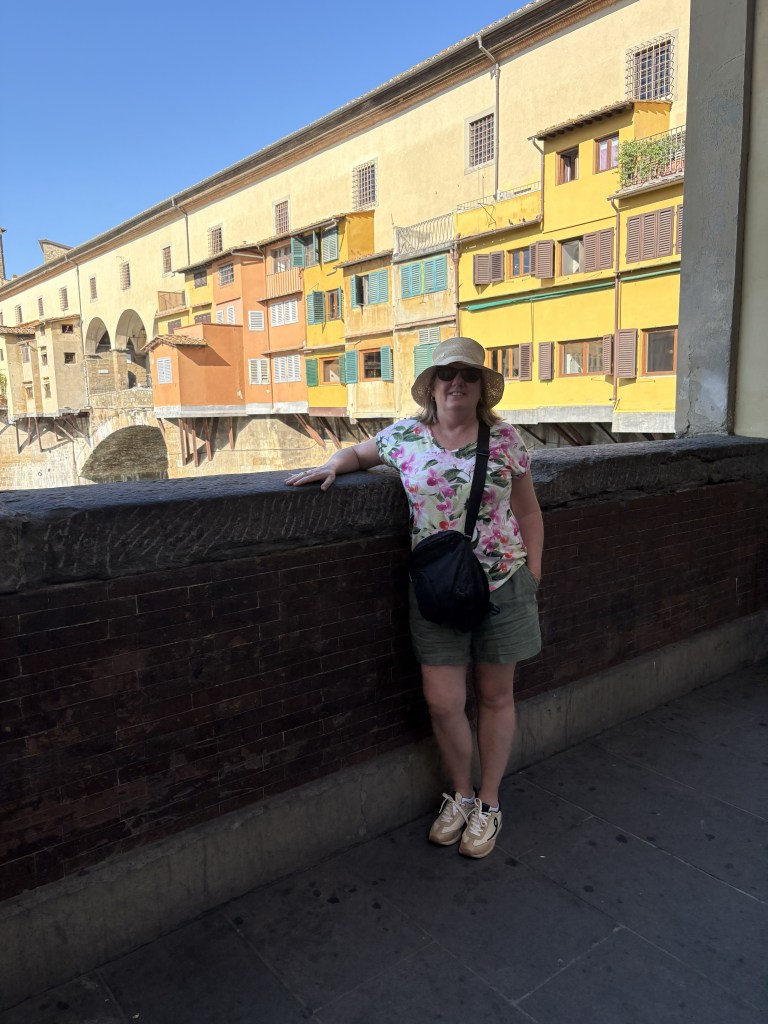

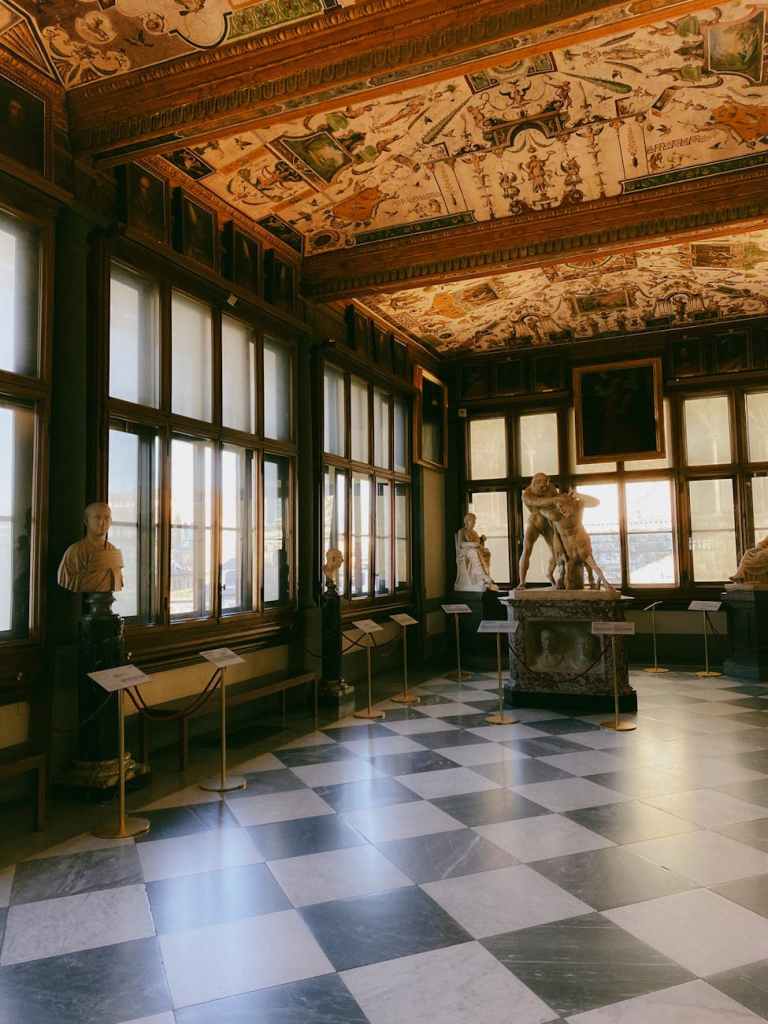
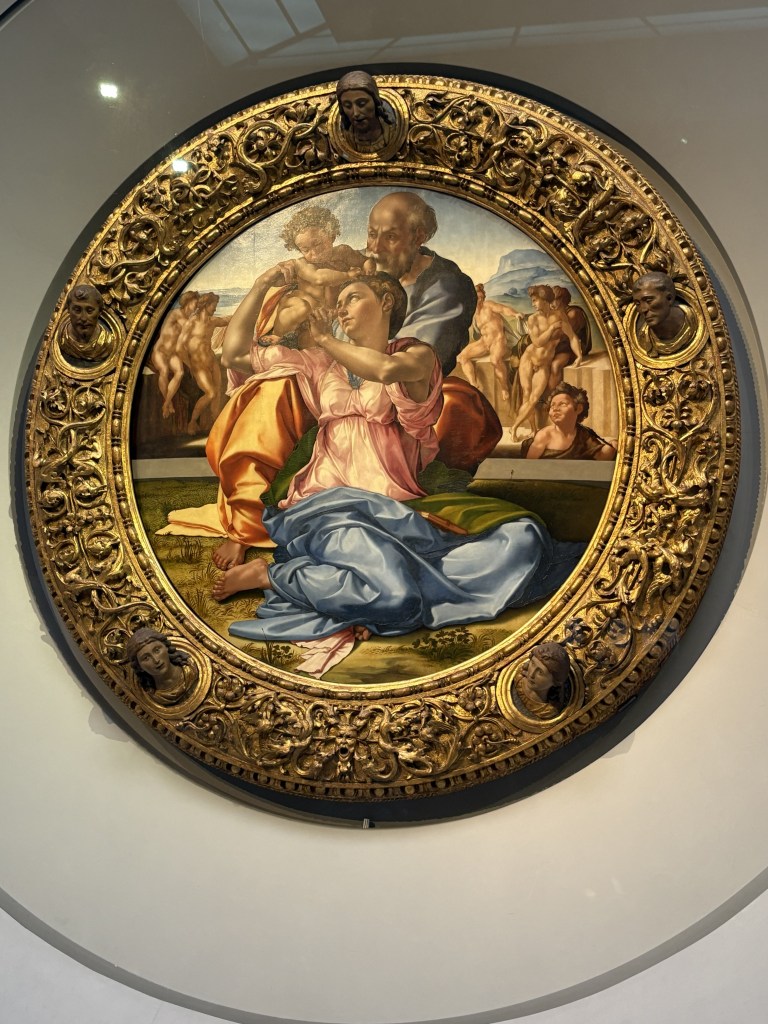
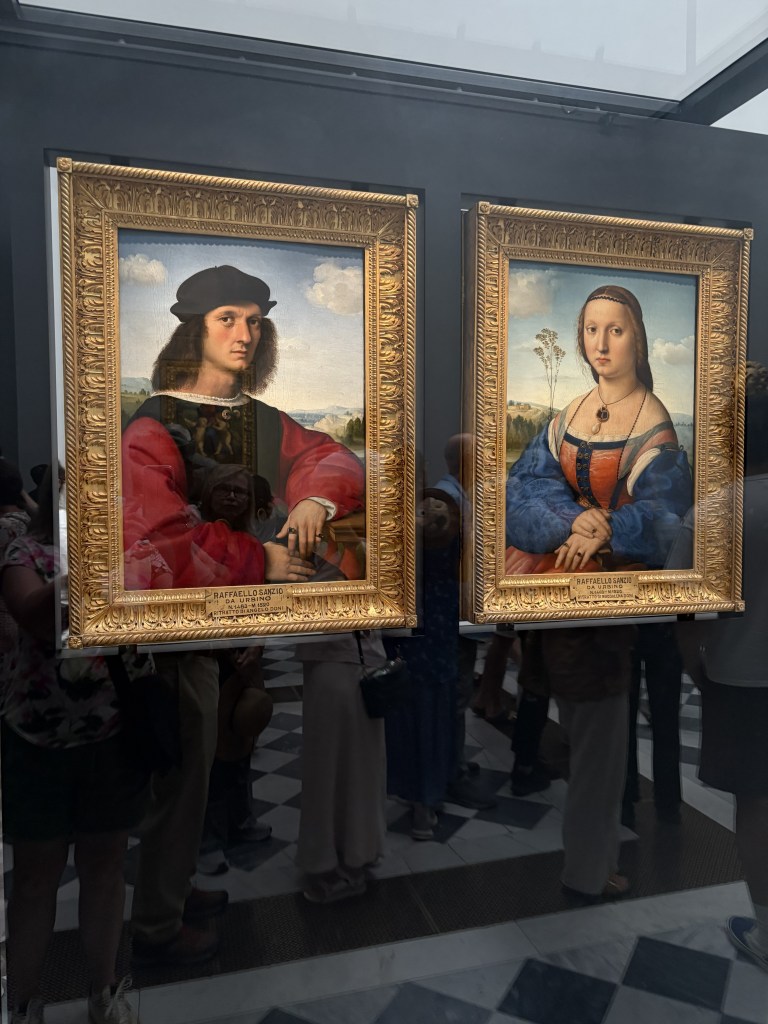
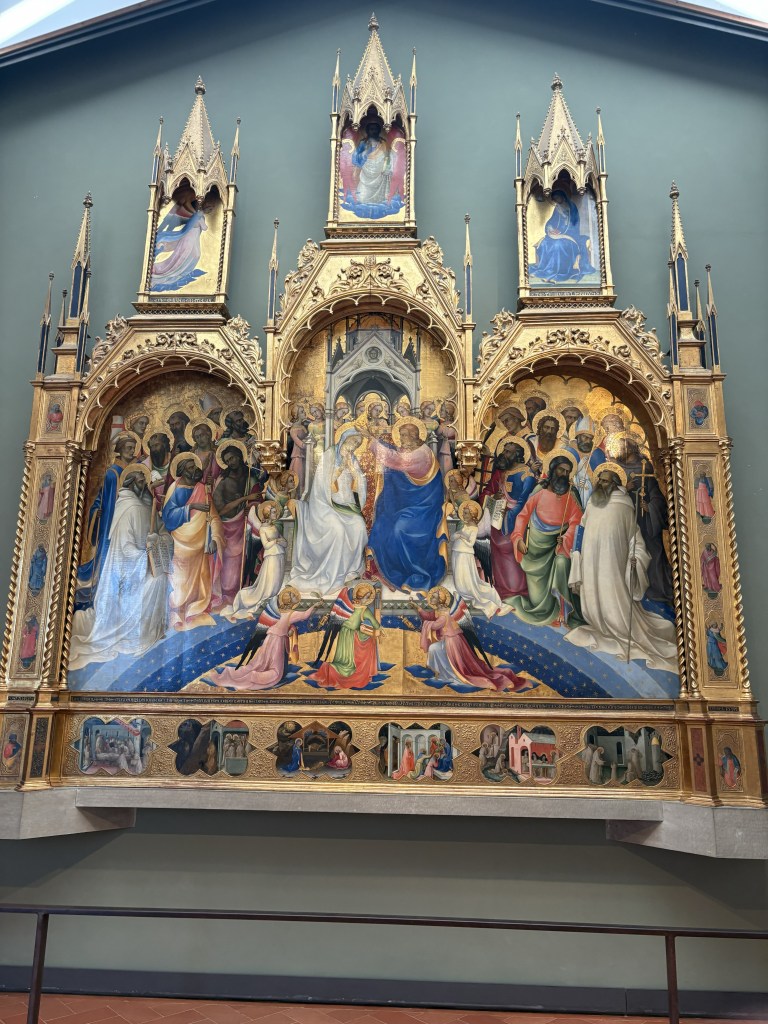
We then walked to the Uffizi Gallery, one of Italy’s most visited and renowned museums, and home to an extensive collection of Italian Renaissance masterpieces.
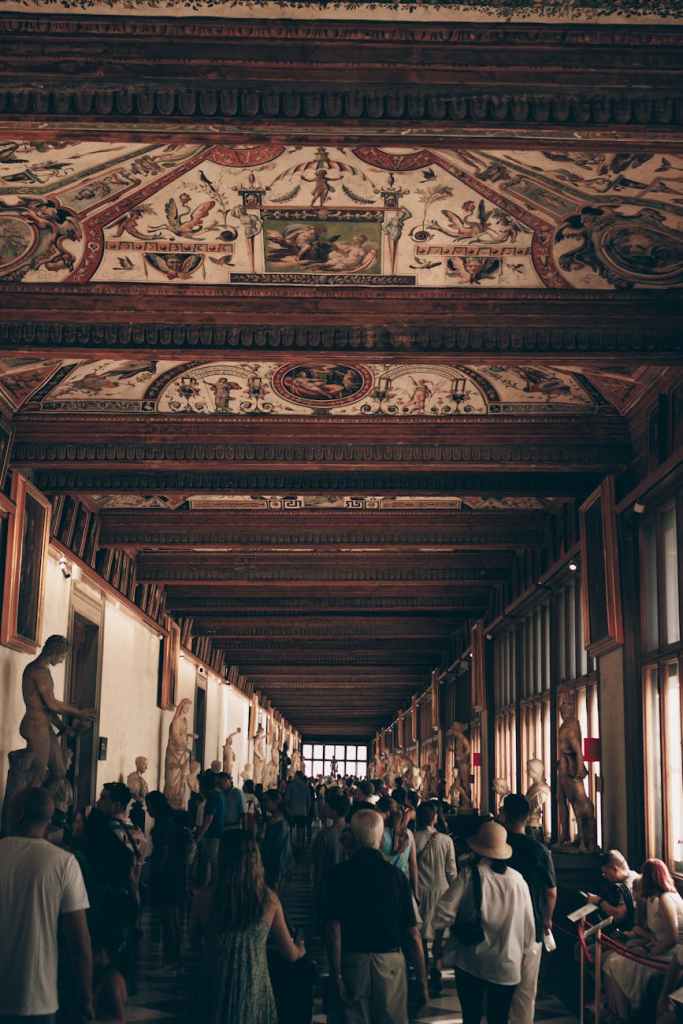
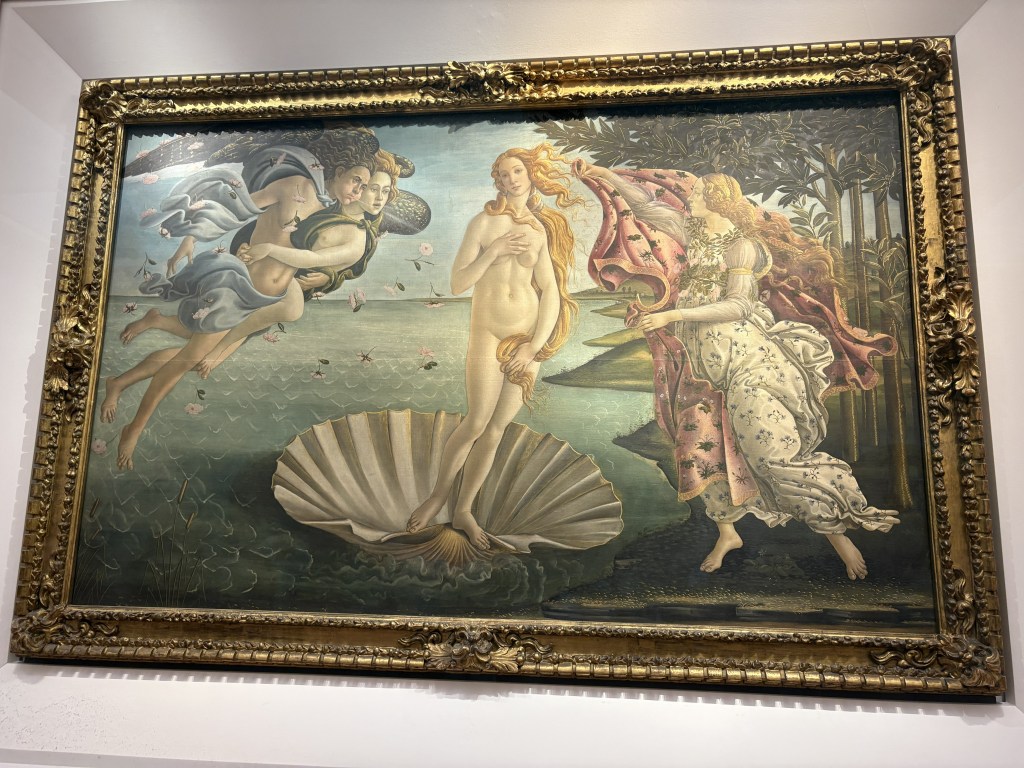
During our visit, we saw works by Botticelli, da Vinci, and Michelangelo. One of the most popular paintings in the gallery and the one that has the longest queue before you can get up close is The Birth of Venus. The painting, which is thought to have been created in the mid-1480s, depicts the goddess Venus arriving at the shore after her birth, when she had emerged from the sea fully-grown.
As well as the many masterpieces hanging on the walls, the gallery itself is a work of art with its ornate fresco-covered ceilings and walls.
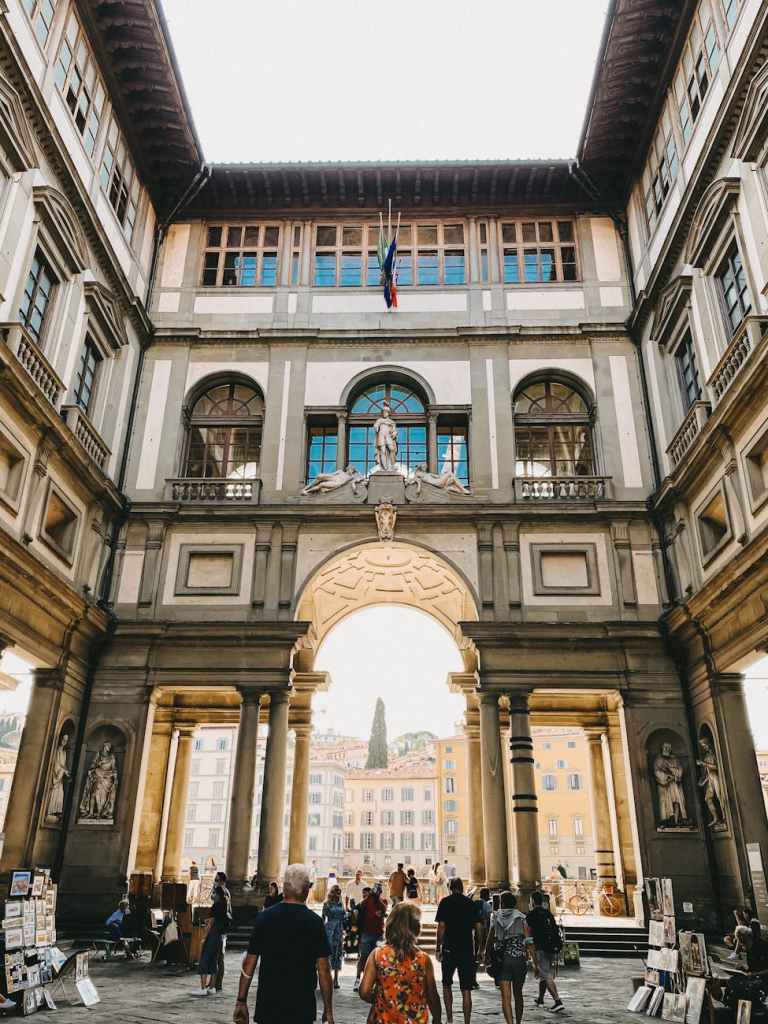
After visiting the gallery, we had lunch at a small restaurant by the square. I ordered the wild boar pappardelle. The meat was so tender, and the hand-made pasta was scrumptious. It was one of the best meals I had in Italy.
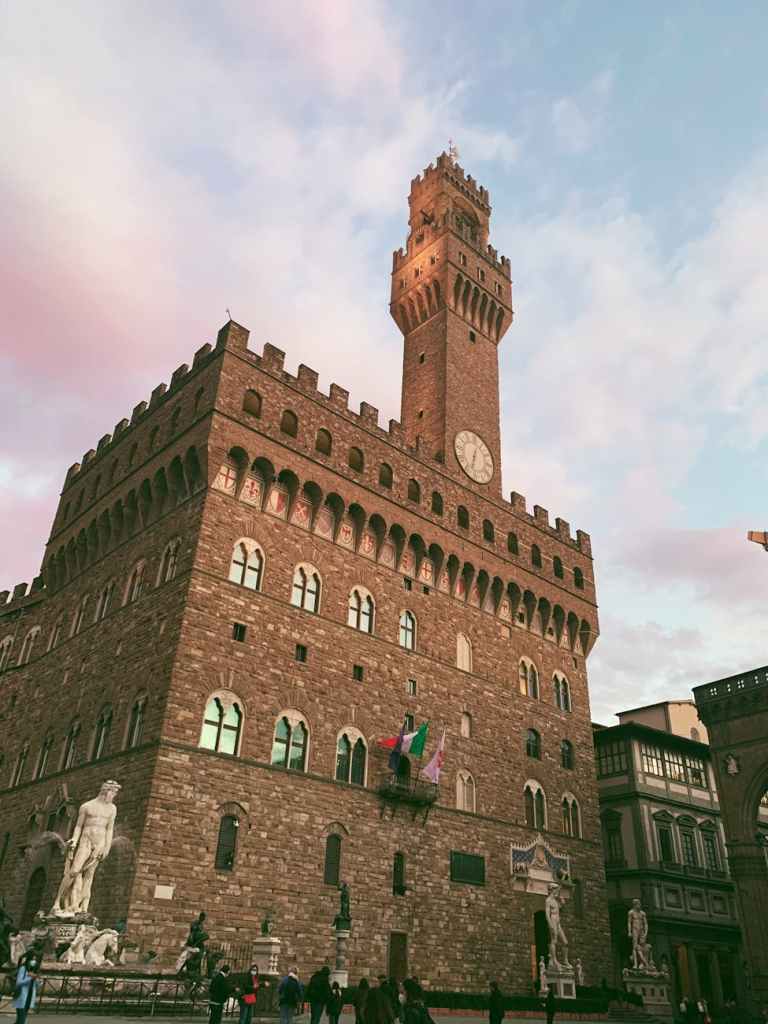
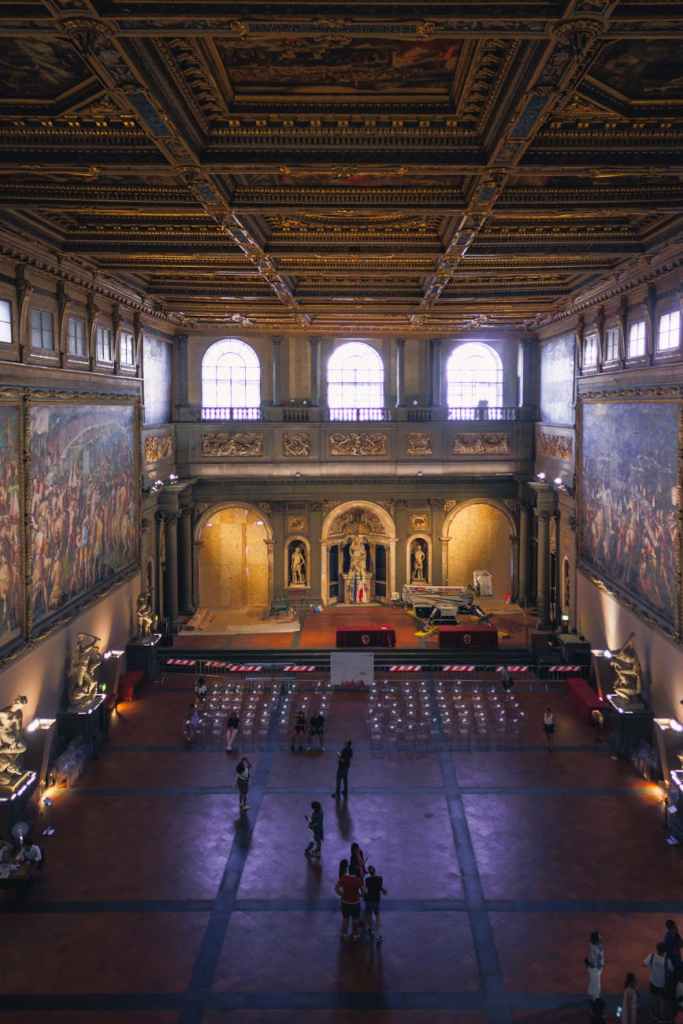
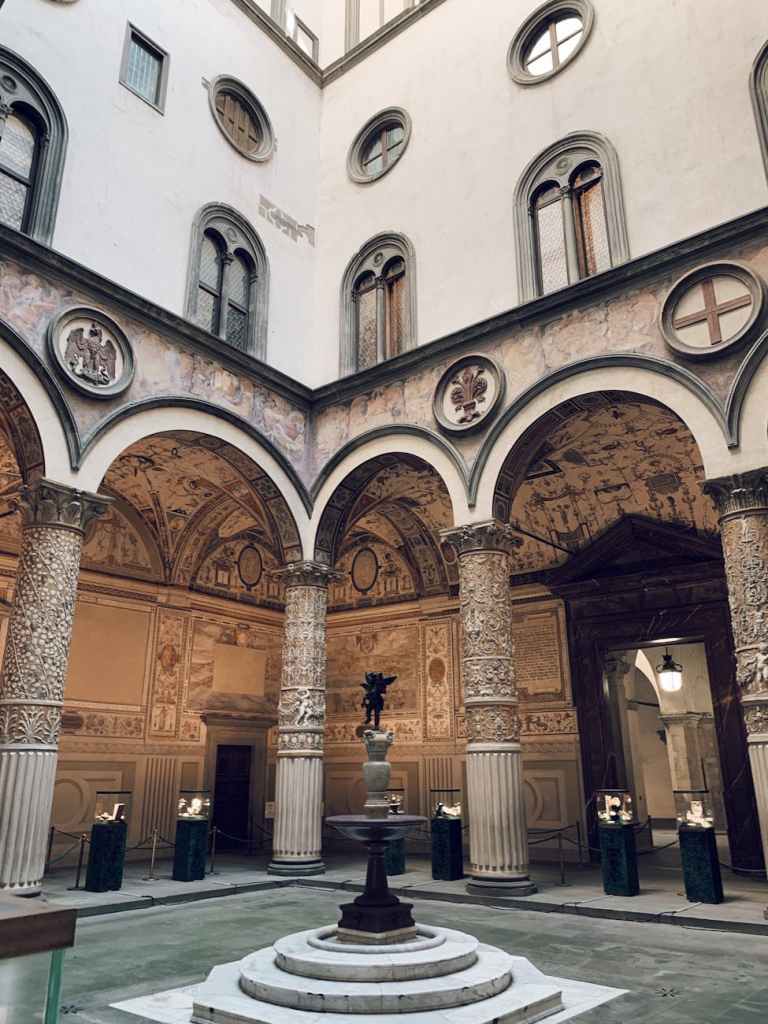
That afternoon’s destination was the Palazzo Vecchio, a 14th-century palace that forms part of the UNESCO site of Historic Florence. Famous for its Medici connections, it was completed in 1322 and still serves as the city’s government headquarters while also housing notable artworks and sculptures.
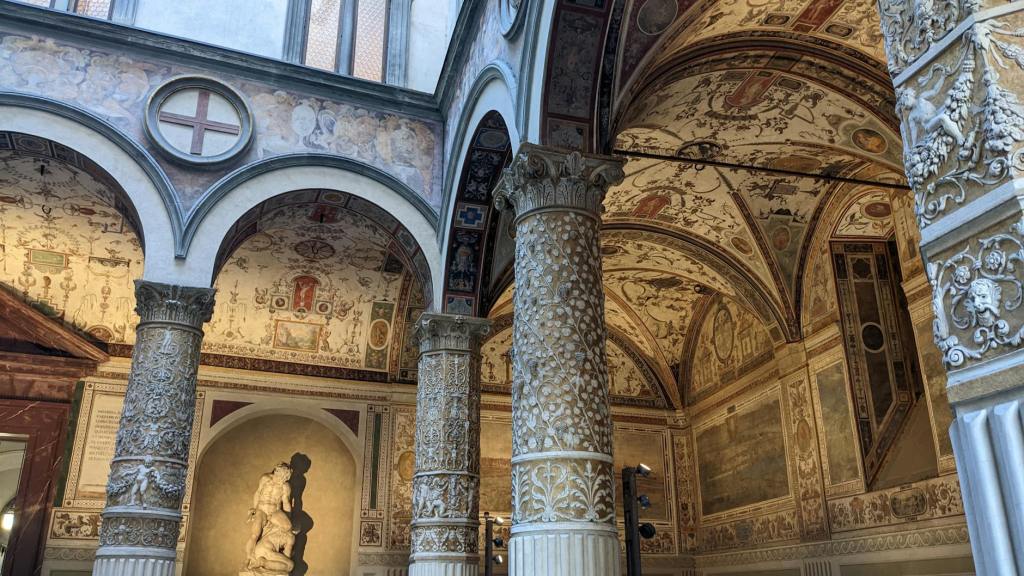
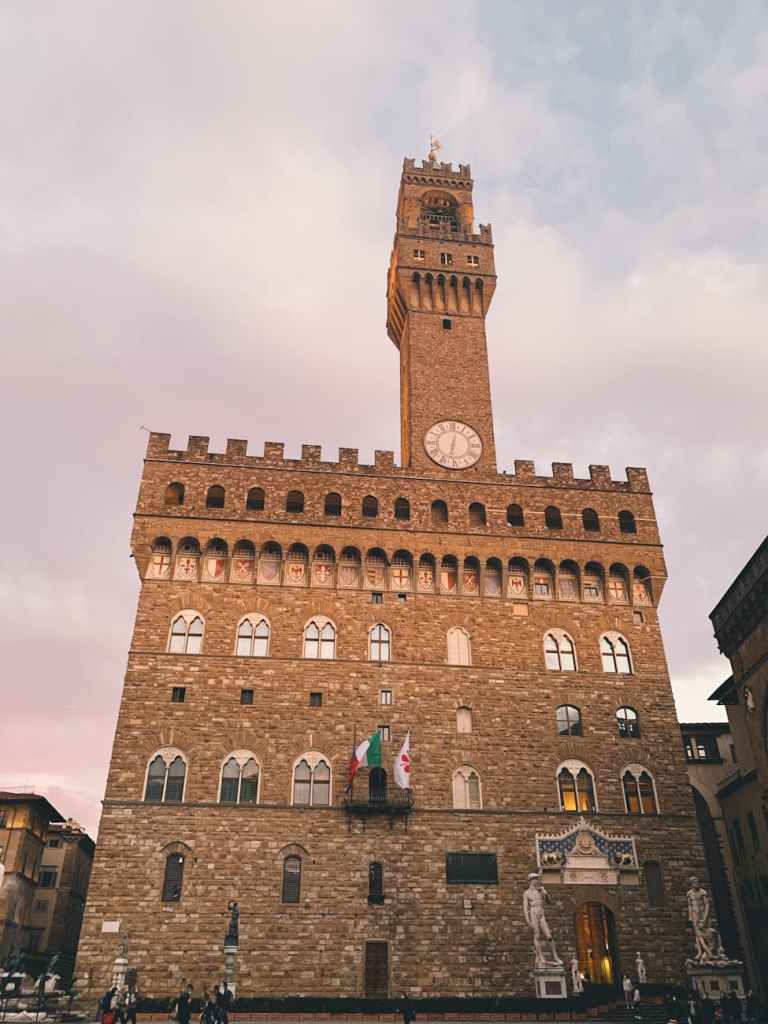
With the sights for that day completed, we headed back to the hotel. We wanted an early night thanks to an earlyish start the following day.
After breakfast at 6:00am, we walked to catch our 7:00am train to Pisa, a quick 46-minute ride that fit perfectly into our schedule. Trains were our main transport in Italy—fast, efficient, affordable, and almost always on time.
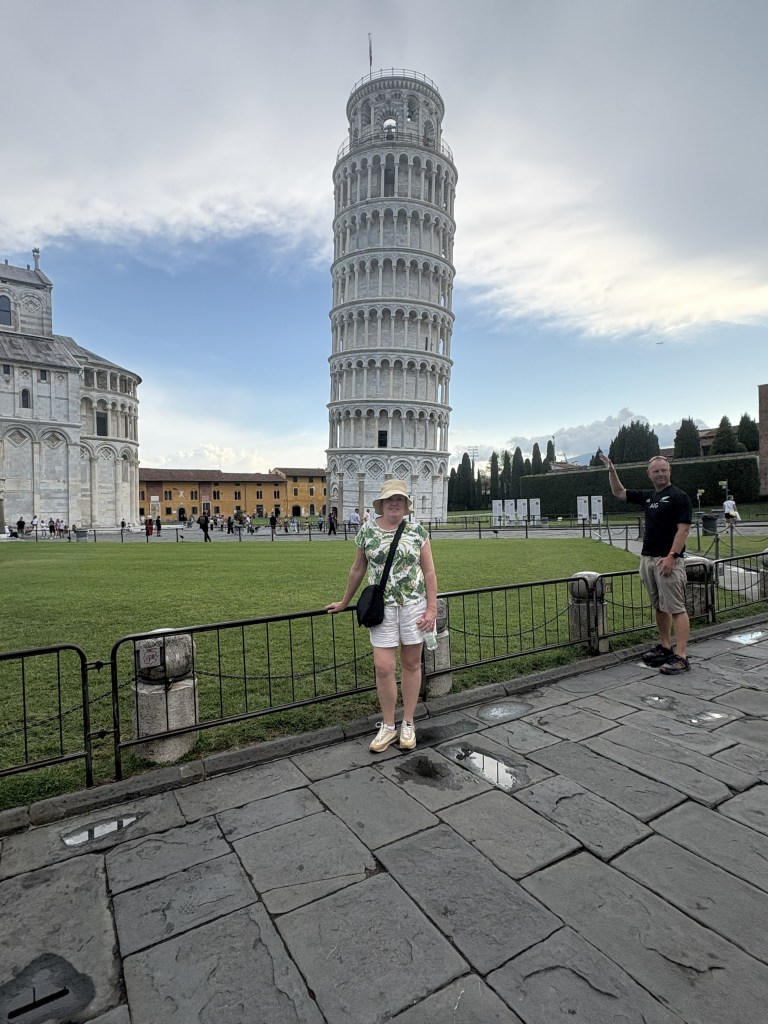
Upon arrival at Pisa Centrale, we check the map and saw it was only a twenty-five-minute walk to the Leaning Tower, so we decided to do that instead of catching a taxi. That way we could see some of the town on the way, which we did, but the point of the visit was to see the Leaning Tower.
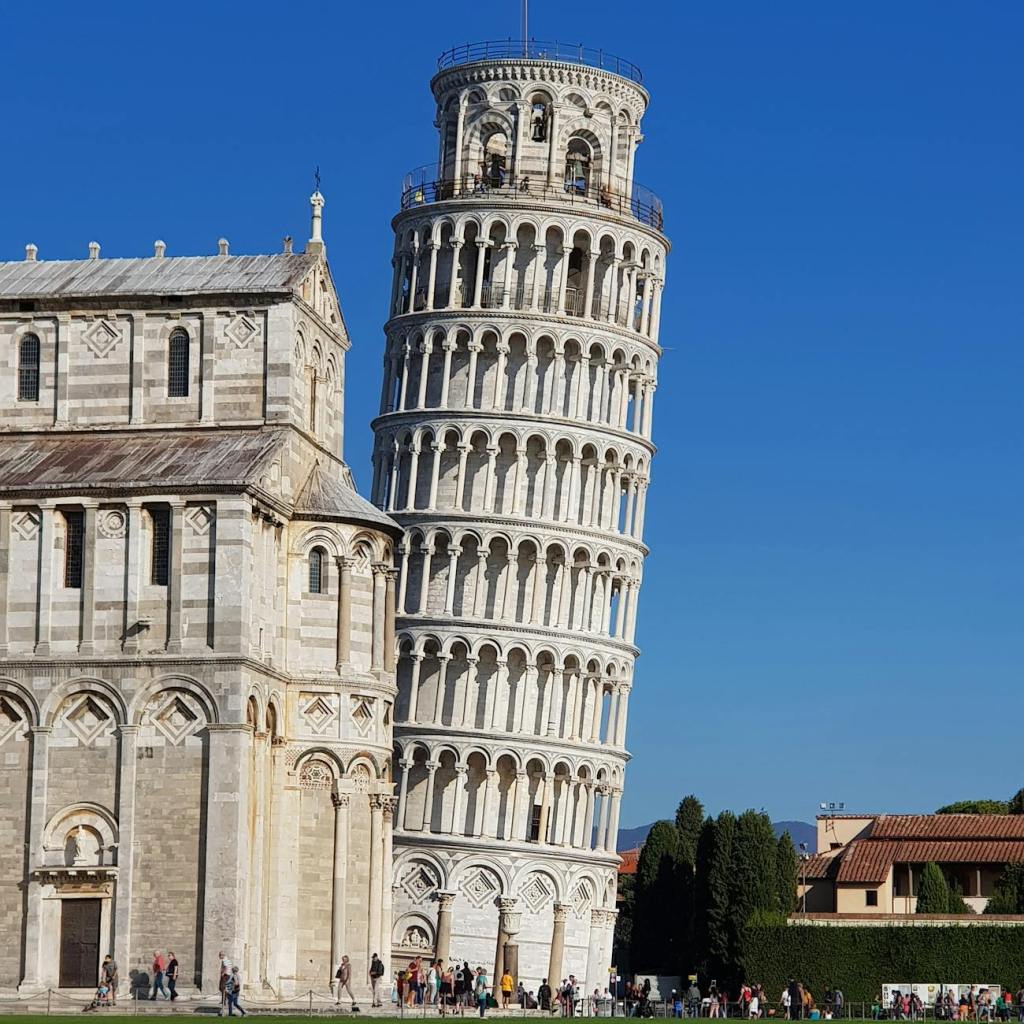
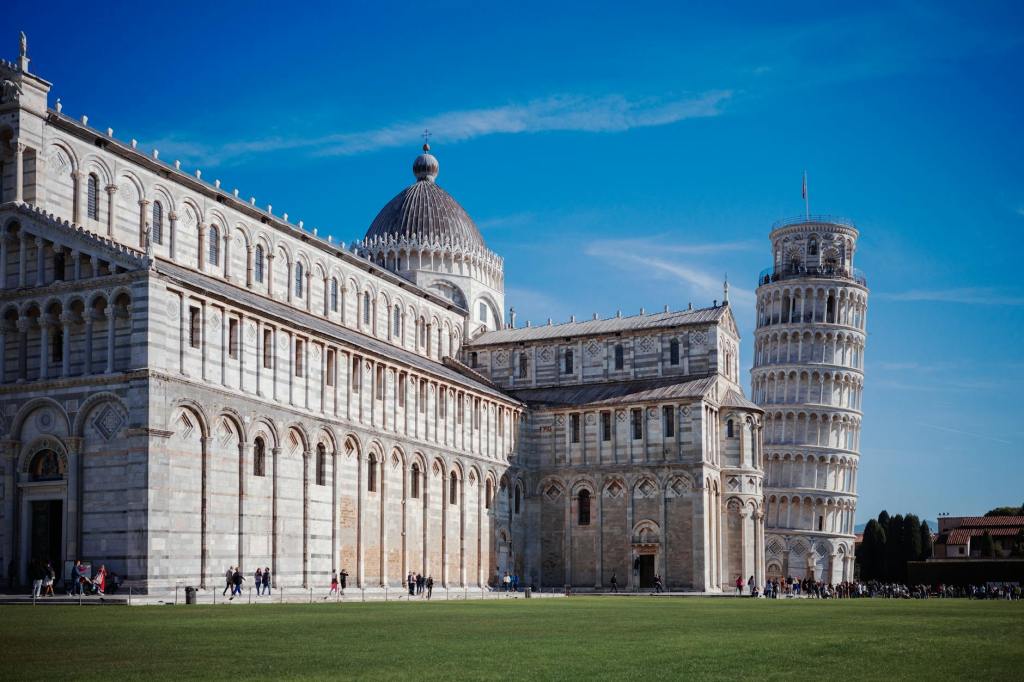
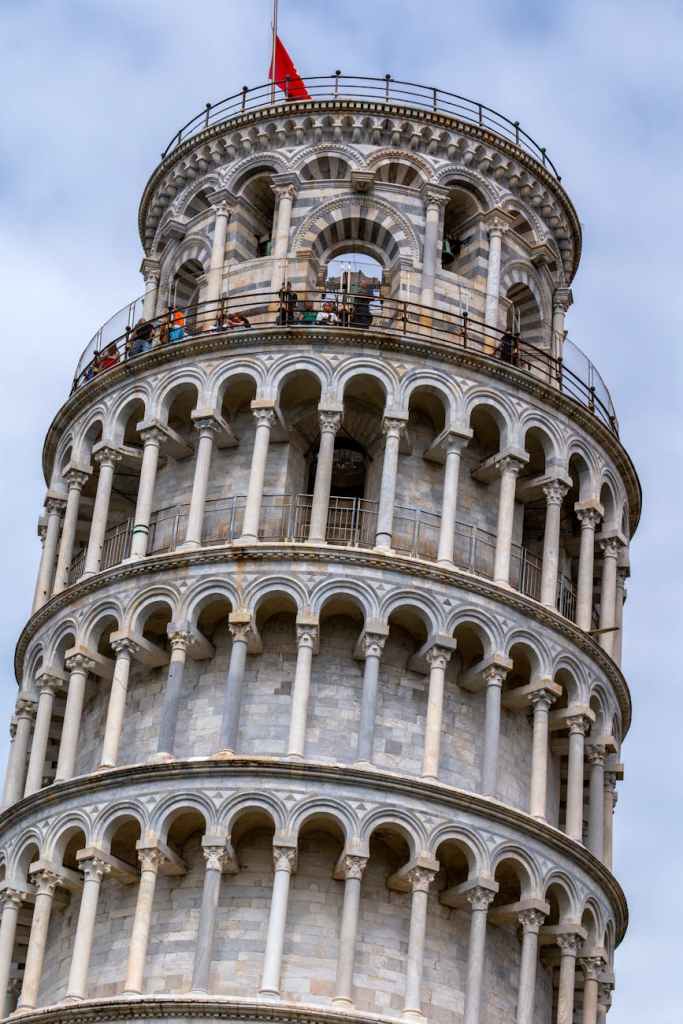
It’s a freestanding bell tower, located in Pisa Cathedral Square, which is 55.86 metres from the ground on the low side and 56.67 metres on the high side. It’s famous because of its nearly four-degree lean and it’s popular with tourists with over 5 million visitors each year. The tower began to lean during its construction in the 12th century because the soft ground did not provide enough support for its weight. Over the years, the tilt worsened until remedial work was done in the 1990s to stabilise it.
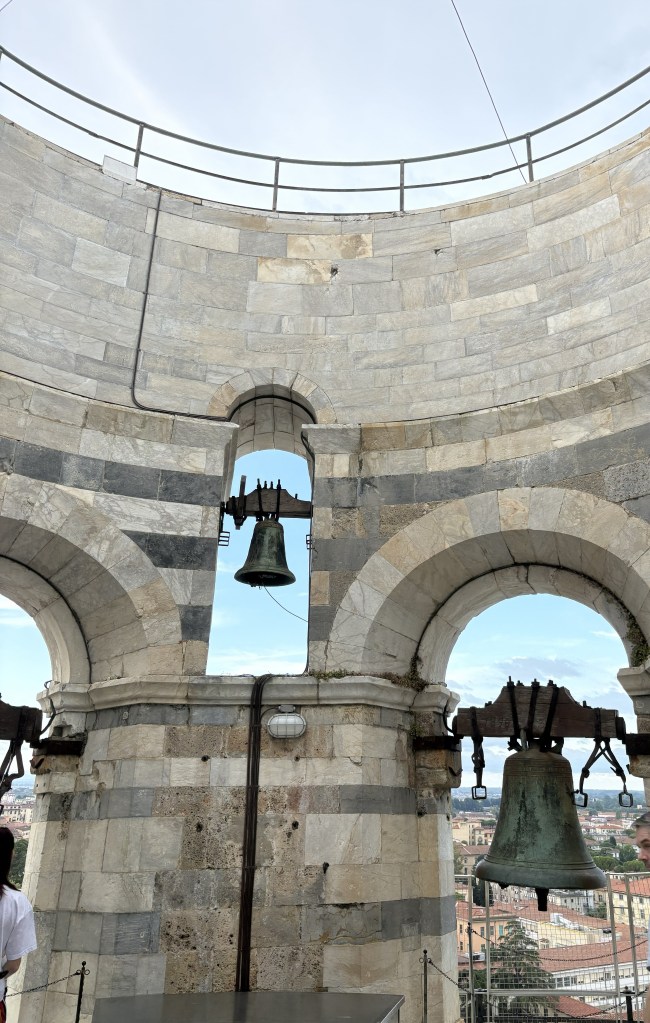
Because we only had half a day, I’d pre-booked tickets to climb the tower at 9am which was fortunate timing as storm clouds were beginning to gather, but the weather hadn’t yet turned. It’s 251 steps to the top, steps that have been worn away by hundreds of years of use. It’s a strange feeling as you climb because the lean makes you feel unbalanced, a feeling that only intensified when we got to the top and walked outside where the lean feels more pronounced. We kept close to the wall in the centre, not only because of that feeling but also because the only thing stopping us from falling to the ground looked like temporary fencing.
After the climb, we had enough time for a quick exploration of the rest of the complex including the cathedral and the Pisa Baptistry, both of which were included in the entry ticket.

Not long after, we were back on the train to Santa Maria Novella and from there, on to pick up our rental car for our drive to Siena. For anyone who has driven in Italy, I don’t have to explain how crazy it can be. But for those who haven’t, cars go every which way, road rules don’t seem to apply, people walk out into traffic without looking, and for us, it was the wrong side of the car and the wrong side of the road. Luckil,y there were no mishaps, and we managed to navigate our way out of Florence and on to Siena.
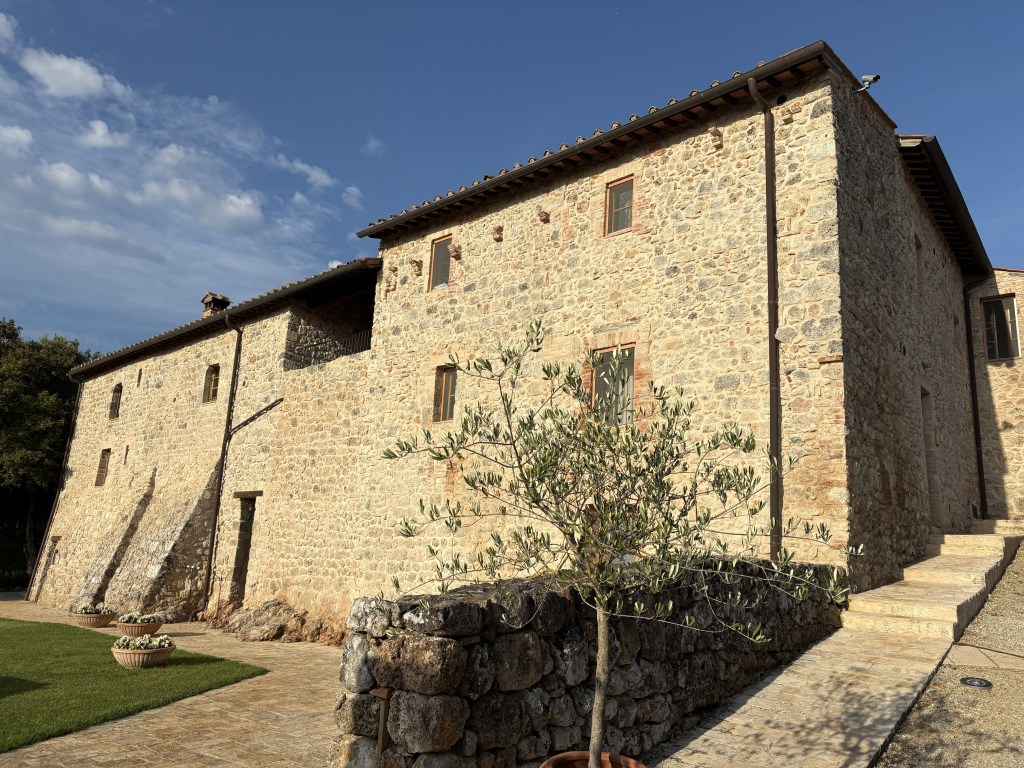
Our accommodation was a 900-year-old Tuscan villa on the outskirts of town, sitting high on a hill with spectacular views of the surrounding countryside. After the hair-raising drive, we decided the only thing we wanted to do was relax, so exploring Siena would have to wait until the following day.
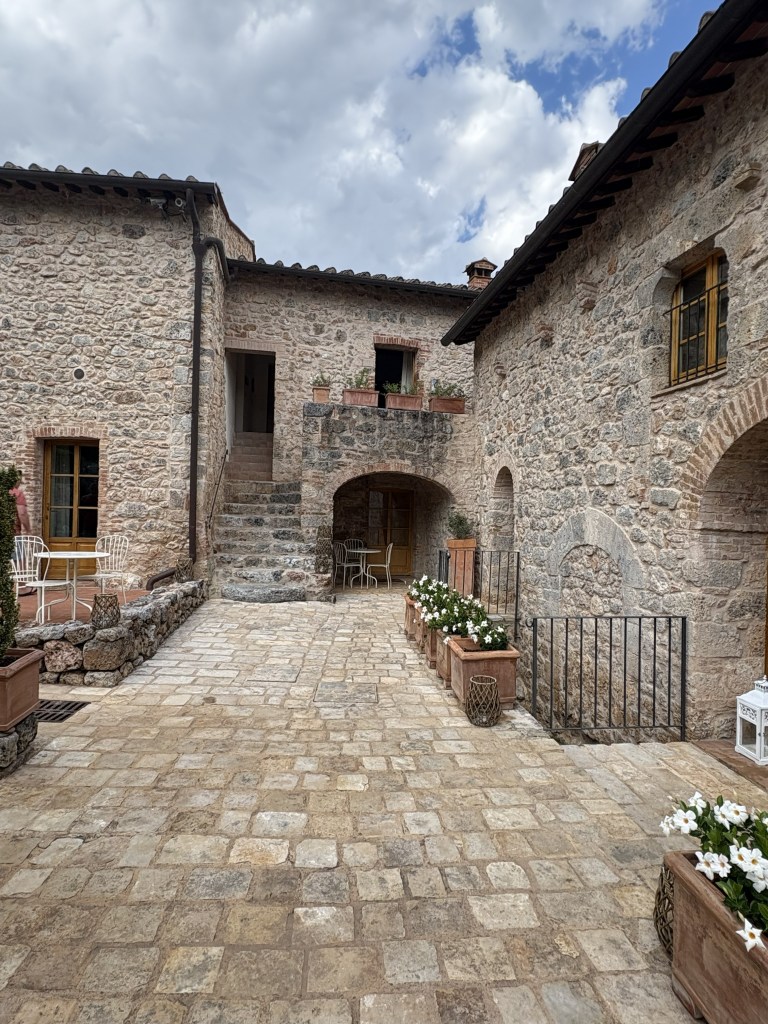
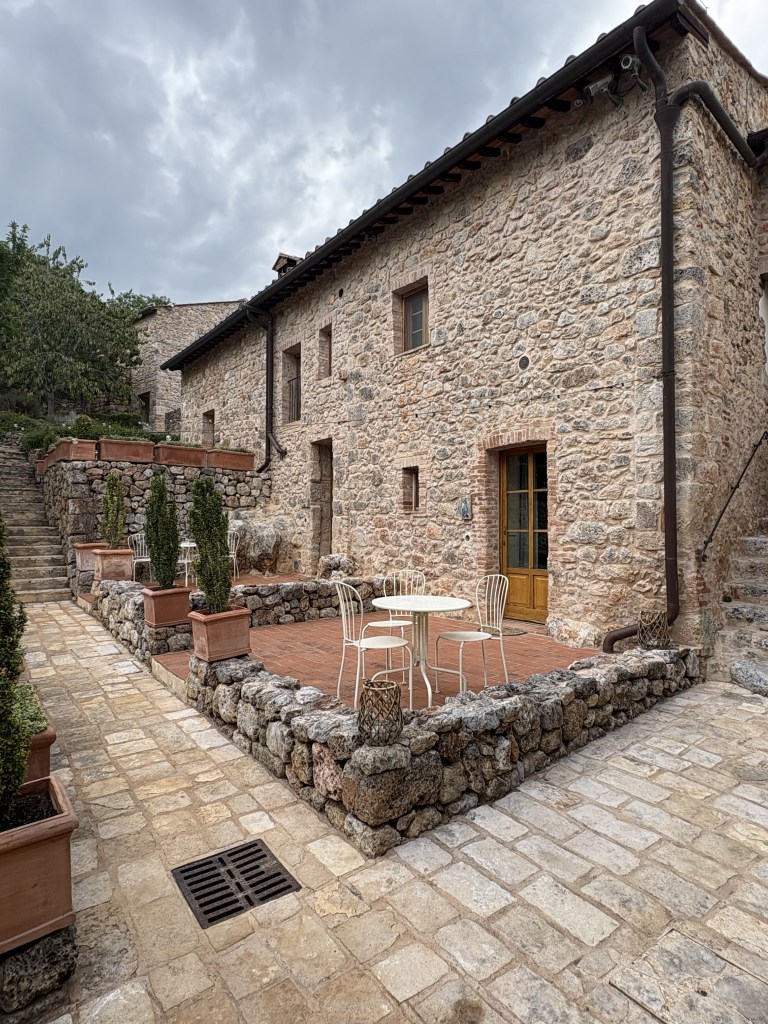
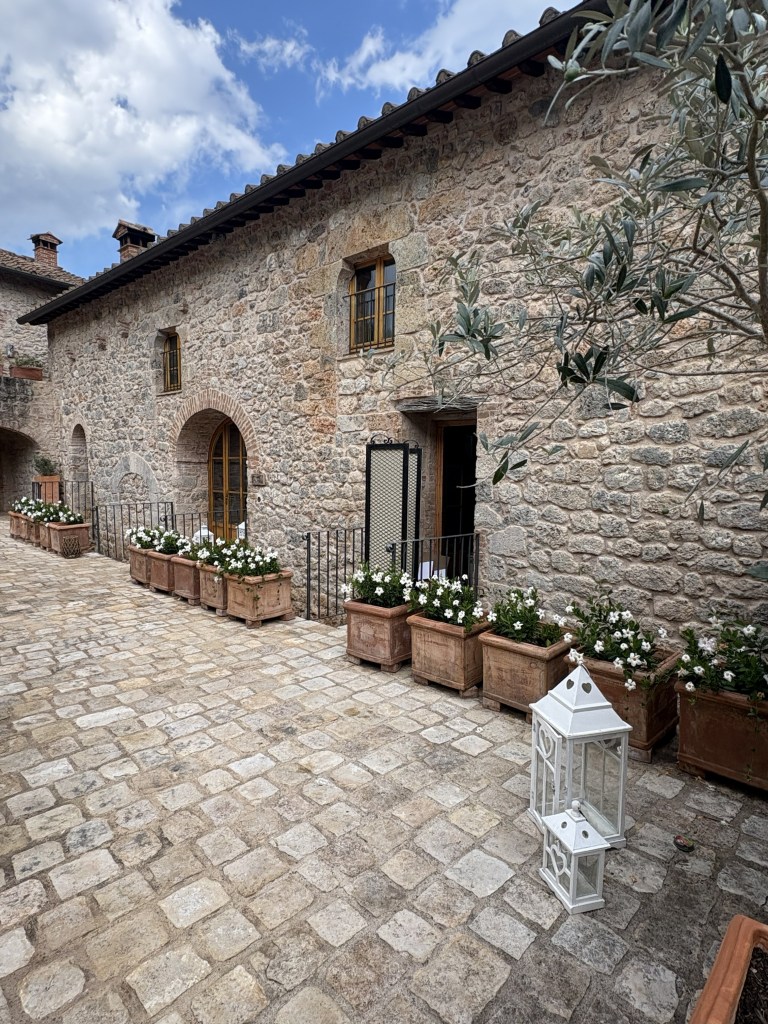
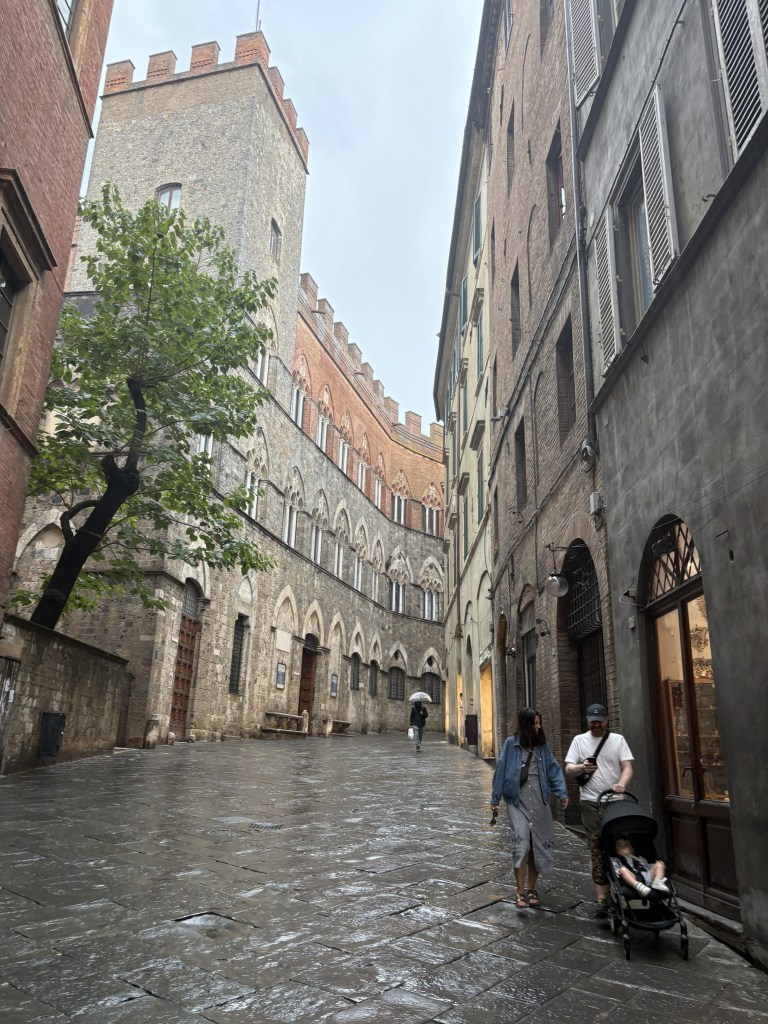
Siena is a walled city, and cars are not permitted so we found a park outside the walls and walked the rest of the way. The centre of the city is a designated UNESCO World Heritage Site and everywhere we looked we saw buildings from the 13th and 14th centuries. It is the home of the world’s oldest bank which has been continuously open since 1472 as well as one of the oldest universities in the world which opened in 1240.
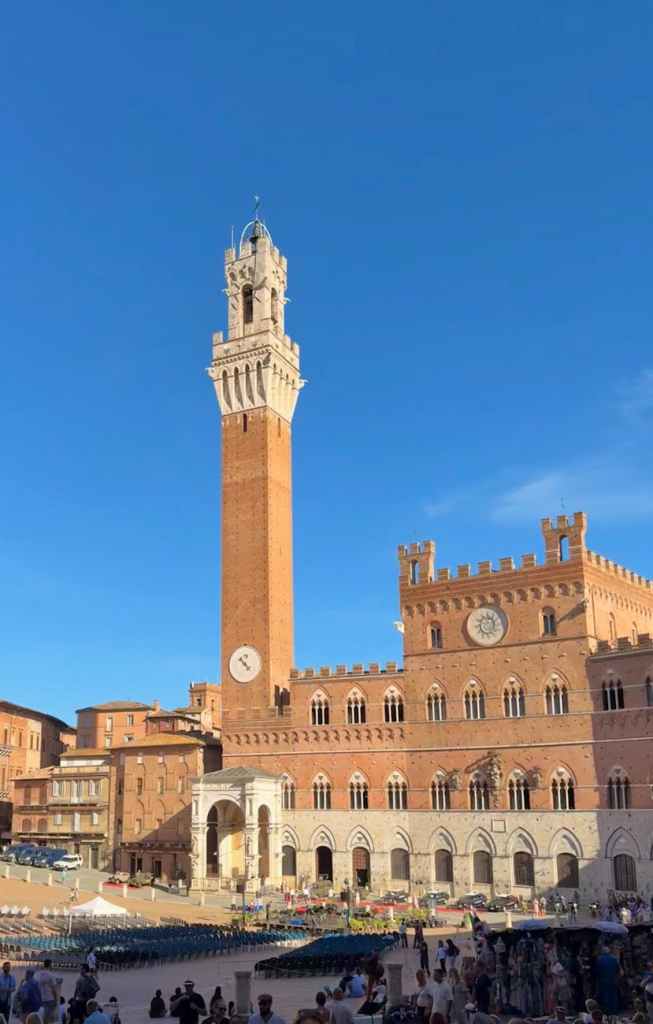
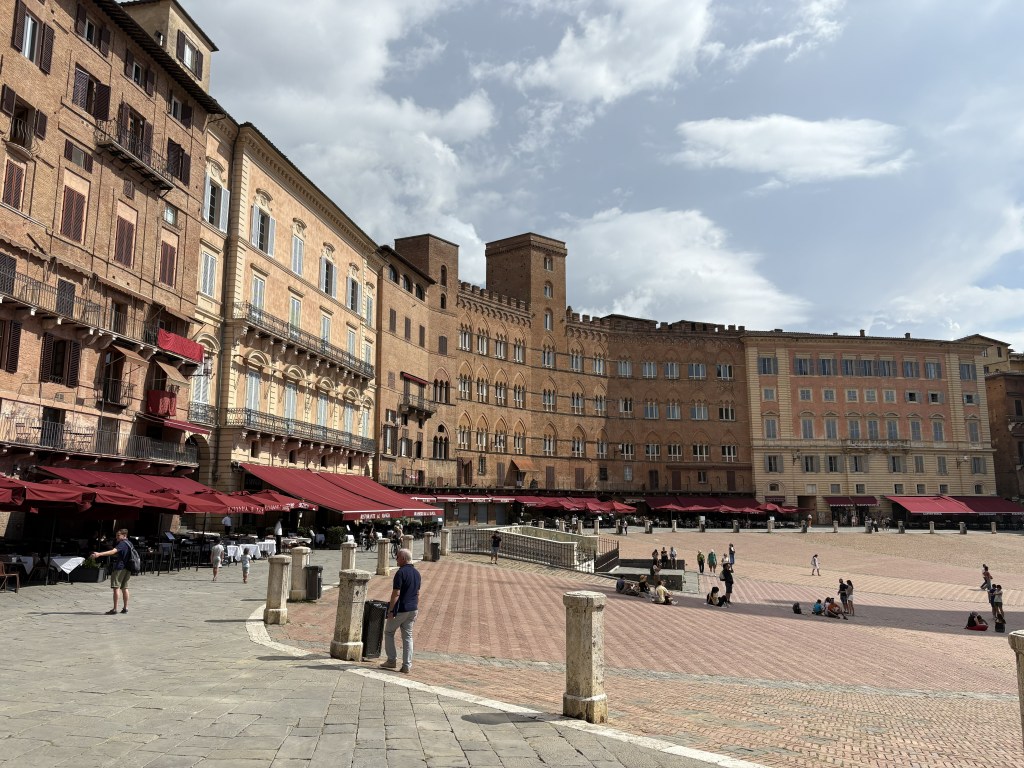
We started our visit at Piazza del Campo, in the middle of Siena. It’s considered one of Europe’s most beautiful squares and is the site of the world-famous Palio horse race, which we would have loved to witness but it’s only held twice a year, neither of which was the time we were there.
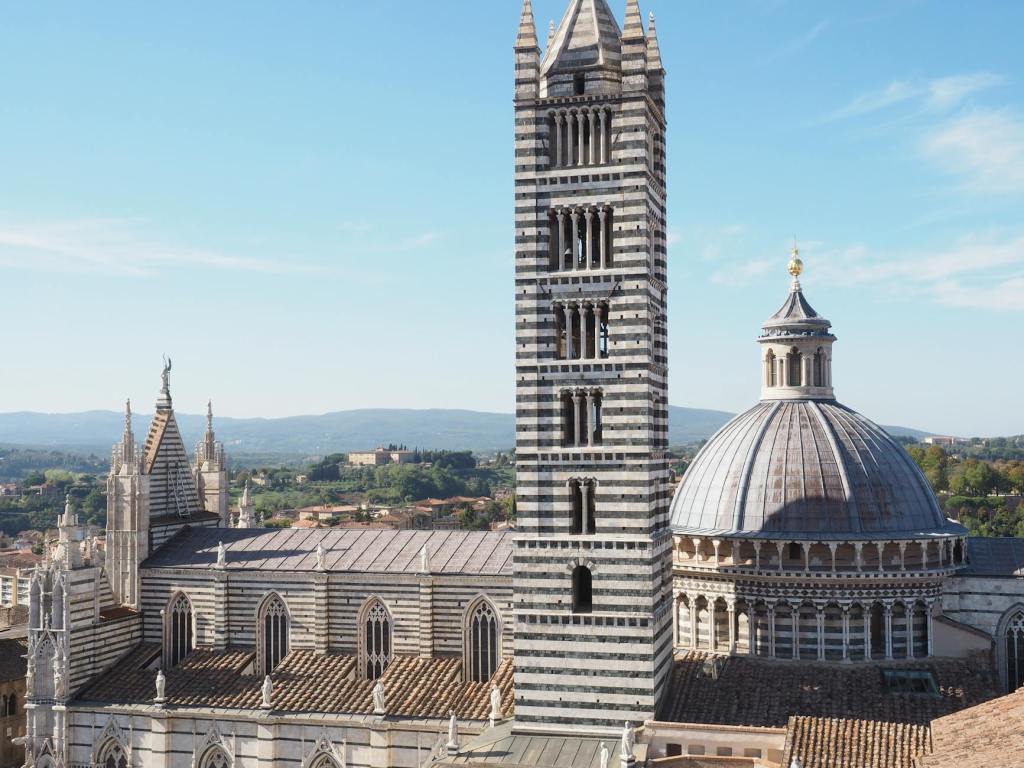
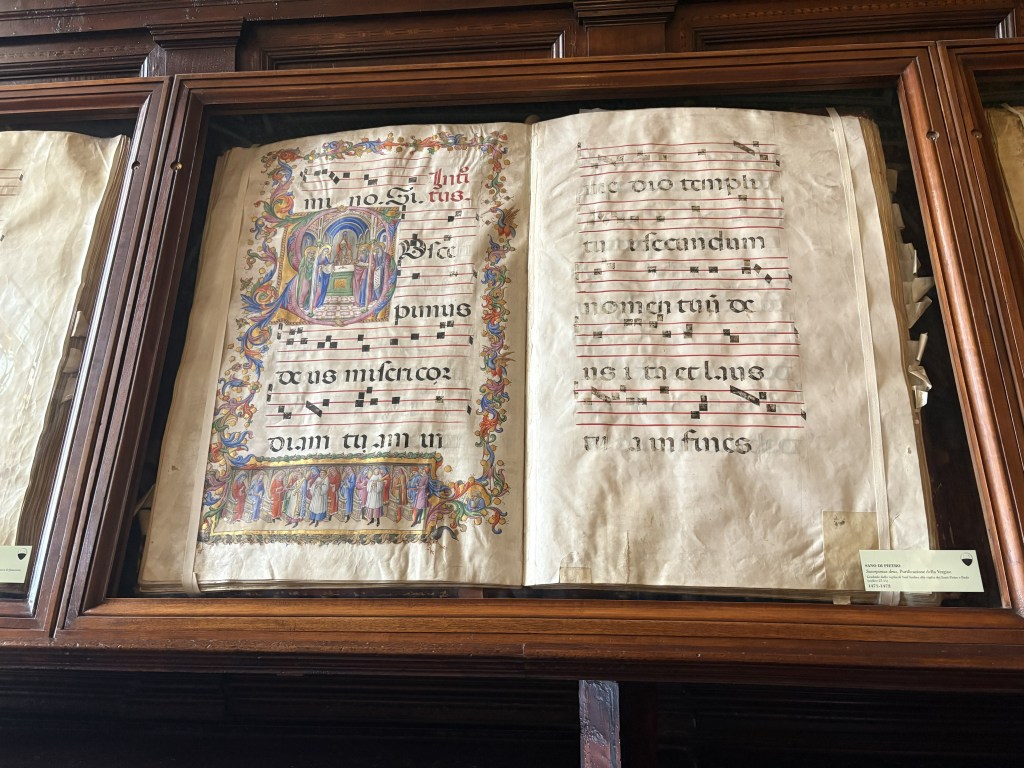
We did get to see Siena Cathedral (Duomo di Siena), one of the must-see sights, along with the Piccolomini Library located inside, and the Torre del Mangia.
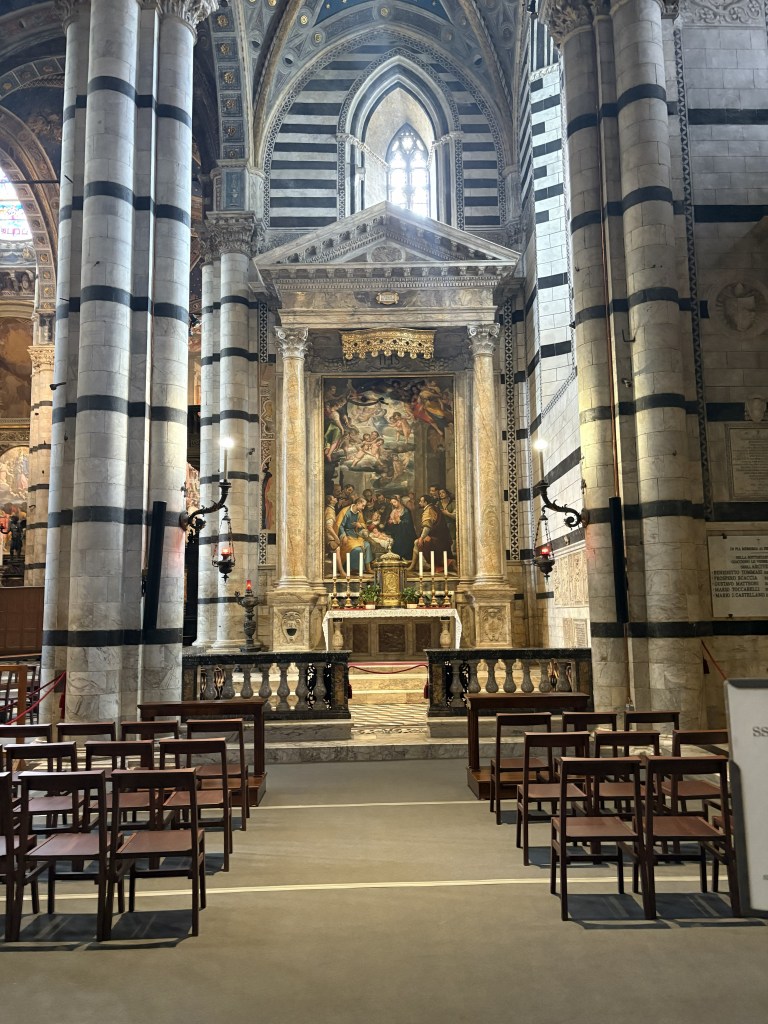
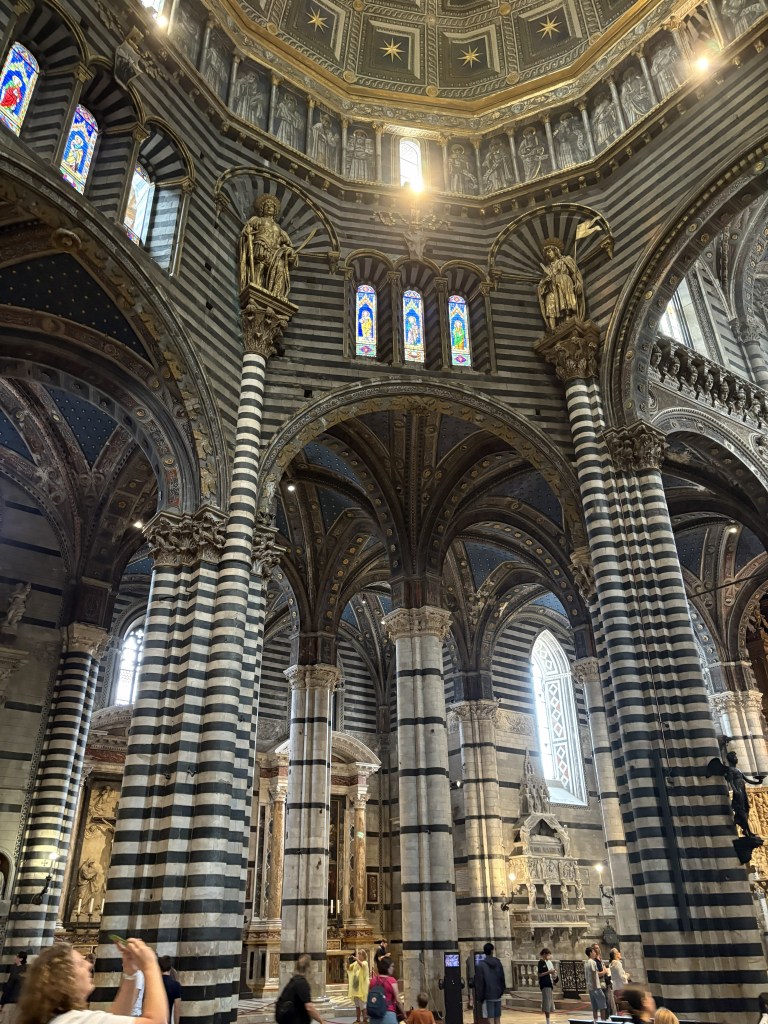
The cathedral is an architectural work of art with its black-and-white marble façade and elaborate mosaics. Inside, everywhere you look, you see intricate details on sculptures and frescoes as well as artwork by Donatello, Pisano, Bernini and Michelangelo. As we walked through, we could feel the majesty of the place as well as a sense of serenity. While we were inside, we took the opportunity to check out the cathedral’s library, the Piccolomini Library. As well as housing book collections belonging to Pope Pius II Piccolomini, who passed away in 1464, it also features vibrant frescoes on the walls and ceiling depicting scenes from his life.
After spending time at the cathedral, we could see why it’s one of Italy’s most visited destinations.
We planned to climb Torre del Mangia for the views of Siena and its hills, but a hailstorm forced us to take cover. Rather than climbing 400 partially exposed stone steps in that type of weather, we learned about the tower instead: built in 1348, it stands 87 metres tall, is named after its first bell ringer, and matches the height of Siena Cathedral to symbolise equal power between church and state.
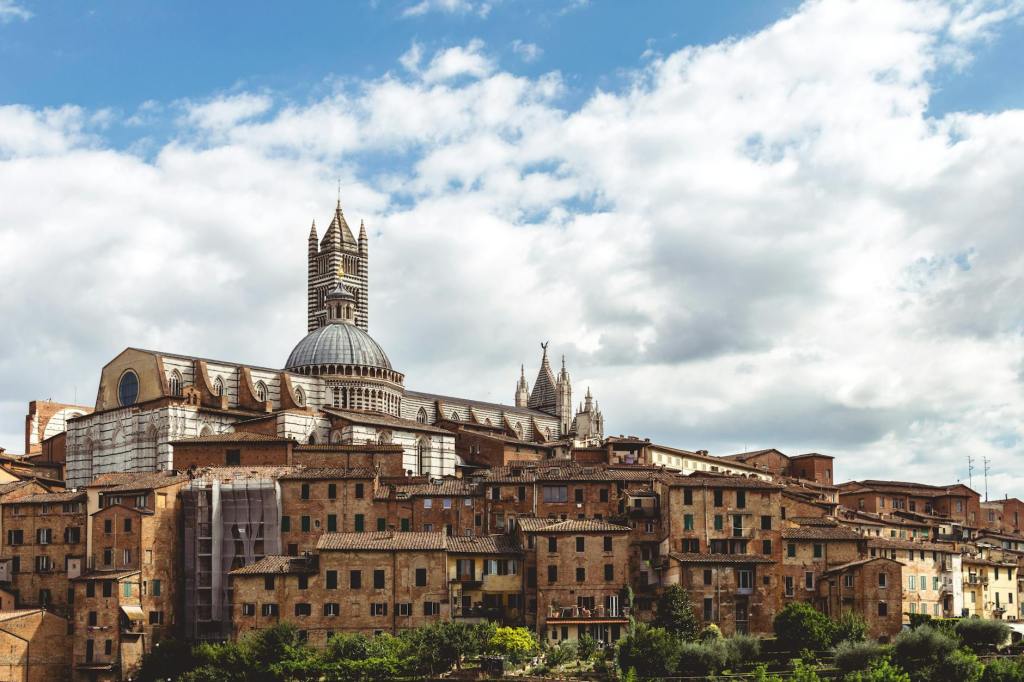
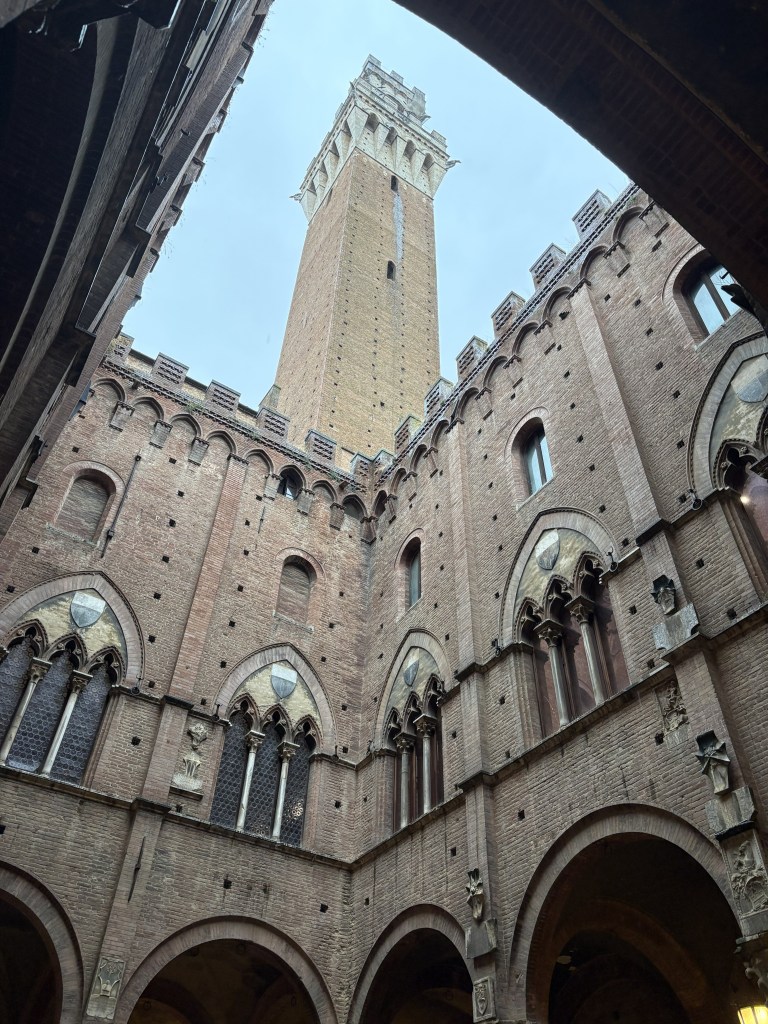
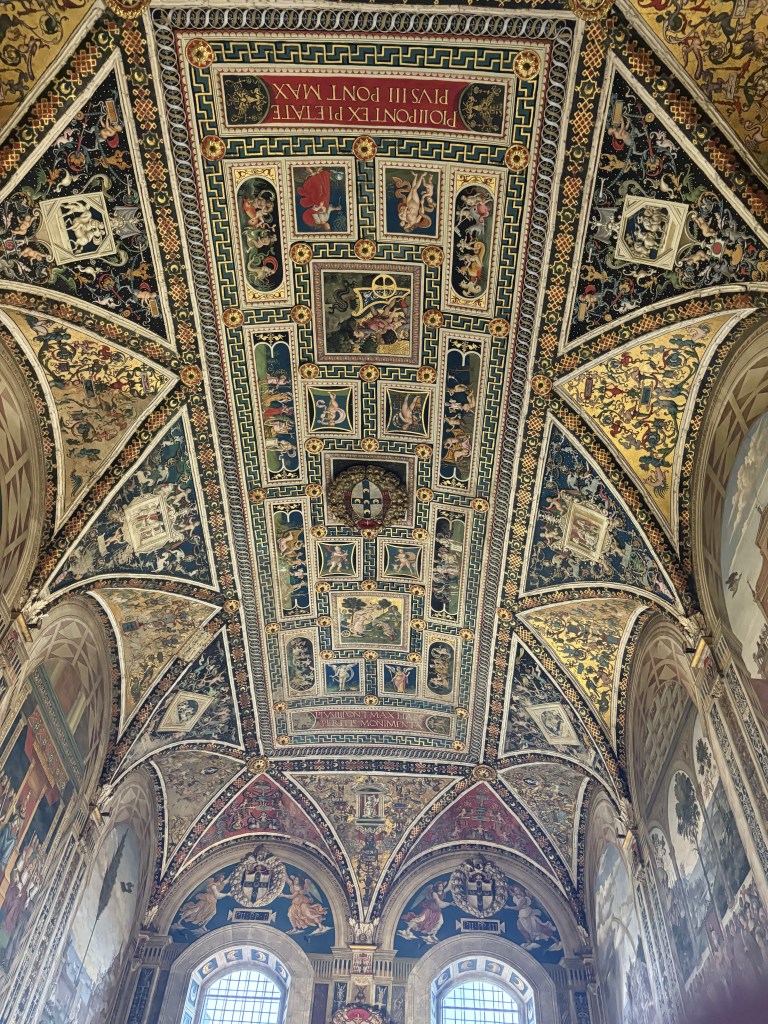
Exploring Siena was like stepping into the past, and I’m grateful we had time there.
Sadly, our time in Tuscany was coming to a close as the next day, we were heading off to the Cinque Terre. But we loved our time in Tuscany and its distinctive charm, breathtaking architecture, and culinary delights will stay with us.
Musings
Our Perfect Valentine’s Day
By Shelley Banks
Valentine’s Day, for many, is all about grand gestures and lavish dinners. For us, though, it’s something much more relaxed.
Instead of dining at a high-end restaurant—which often raises prices for the occasion—we choose to visit our preferred seafood shop and carefully select a variety of fresh seafood. The thirty-minute drive is well justified by the opportunity to handpick premium options, such as prawns, bugs, lobster, scallops, or crab.
When we get home, we cool a bottle of crisp Australian white wine, which goes perfectly with seafood. We arrange everything on our verandah overlooking the suburbs and watch the sky change to shades of pink and purple at sunset. Our dog always joins us, sitting by our feet and hoping for a treat—though since we’re both such big fans of fresh seafood, that’s not likely.
Once the sun has gone, we carry our plates to the verandah and enjoy the meal together, accompanied by our dog relaxing nearby. Time passes slowly with good food and wine.
To us, Valentine’s Day isn’t about bouquets or boxes of chocolates. It’s about making time for each other, sharing a meal we both love, and soaking up the simple joys of home. The night-time breeze, the clinking of glasses, and the soft nudge of our dog’s nose — these are the things we remember.
Every year, as we raise our glasses and tuck into a feast of fresh seafood, we’re reminded that love lives in these small moments. On our verandah, with our dog by our side, we celebrate a Valentine’s Day that’s uniquely ours.
Short Story
The Lighthouse Keeper’s Secret
By Shelley Banks
The wind howled along the rocky shoreline as Anna stepped out of her dusty ute, the scent of salt spray and wildflowers greeting her. The lighthouse stood at the edge of the world—white-washed, weather-beaten, and as familiar as childhood. She’d last visited five years ago, before she’d moved overseas, but now, after inheriting the property from her late Aunt Margaret, she was back and felt the weight of responsibility pressing down on her shoulders.
The call from the solicitor had come on an ordinary Tuesday afternoon, and when she’d attended his office for the reading of the will, Anna had been stunned. What was she meant to do with a lighthouse? Yet here she was, key in hand, peering up at the tower that had watched over one hundred and fifty years of passing ships.
Inside, the air smelled of eucalyptus oil, old paper, and Margaret’s favourite rose soap—the one she bought from the local chemist in town. Dust covered the surfaces, all the more noticeable in the morning sun that streamed through the thick glass windows. Anna wandered through the rooms, memories of visiting her aunt flooding through her mind.
On her first night, as the sun began its descent, she climbed to where the lantern had once provided a beacon for ships and stared out at the ocean until darkness hid the view. So, Anna climbed back down and began exploring the storeroom. Stowed behind a stack of nautical charts and faded raincoats was a battered wooden trunk. Inside, beneath layers of old rope and faded towels, she found a bundle of diaries, tied with fraying red ribbon.
The cover of the first diary was embossed with gold: “Margaret, 1962.” Intrigued, she opened it, the entries unfolding a long-held secret, at least to Anna.
As she read, a love story emerged from the pages. Margaret had fallen for a local fisherman. Their romance was tender but complicated by the disapproval of Margaret’s family, who thought she deserved an easier life than the one they’d had, one not reliant on the tides and one not so lonely.
Margaret described moonlit meetings on the footpath below the lantern, whispered promises, and notes exchanged in the hollow of a gum tree. Anna was moved by the passion in her aunt’s words. But eventually, the disapproval proved too much and her love moved away.
Margaret had never married, always holding on to her fisherman, even though he had been hounded away. Instead, she focused on the lighthouse, tending its beacon until there was no longer a call for its guidance.
Inspired by her aunt’s story, Anna resolved to honour Margaret’s memory, by restoring the lighthouse and opening its doors to visitors. She imagined a gathering place for locals and travellers alike. She pictured school groups learning about maritime history, artists sketching the rugged coastline, and families picnicking among the wildflowers.
Bringing life back to the old lighthouse felt like a way to reconnect with her roots and give Margaret’s legacy the recognition it deserved.
As Anna settled into her new life, she felt Margaret’s presence in every sunrise and the sound of the waves. The lighthouse had always been a place of guidance and now it was Anna’s turn to be led by its light.
Something Light
Look, it’s Bluey!
By Shelley Banks
Most days, you’ll find me down at Kedron Brook, taking our dog, Harley, for a walk. It’s a great spot for both of us. Harley can run off lead and play with other dogs and I don’t have to continually fight to stay upright like I do when he’s on a lead. He’s so strong that he sometimes almost pulls me over in his excitement to get there, so once we arrive and I can let him go, I’m much happier.
Kedron Brook’s off-leash area is always busy with dog owners and families. Children frequently play, run, chase their dogs, kick balls, and often greet our dog with cries of ‘look, it’s a Bluey dog!’
Our Blue Heeler (with a tiny bit of Kelpie thrown in) closely resembles the cartoon dog popular with kids worldwide. Children love to approach and pat him, clearly delighted by his likeness to their TV favourite. Although I haven’t watched the show, the ads and images I’ve seen make it clear why our dog gets noticed.
The children and our dog are happy; he enjoys the attention, even if he doesn’t understand why. The kids love playing with him, and it’s uplifting to see him bring delight to others.
It’s something very simple but sometimes simple things bring the most joy.
At times, parents join in too, commenting on Harley, which then turns into conversations about their own pets. There’s a real sense of connection, as strangers bond over the antics of their four-legged friends.
Even in winter, when it’s chilly, there’s a warm sense of community at the brook for both people and dogs. And for fans of the world’s favourite cartoon dog as well.
Books
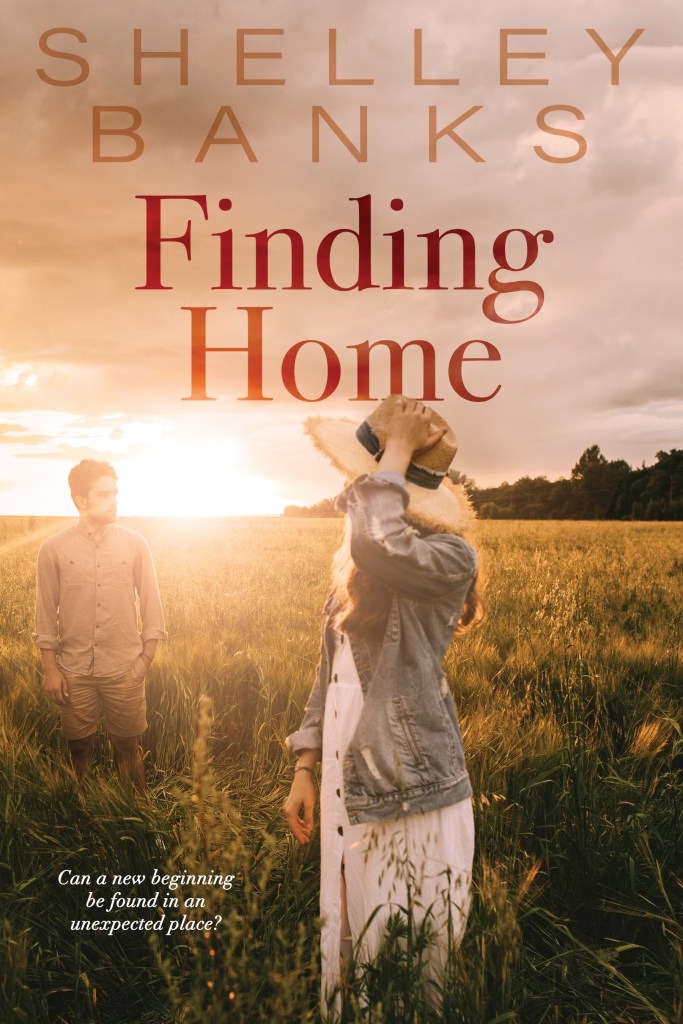
If you like my short stories I’ve published ten books.
 September Sprouts