
A Travelling Sprout
A Sprout Saunters Around the Eternal City
By Shelley Banks
It had been over twenty years since I’d last visited Rome, and I was intrigued to see how much looked familiar when we arrived. Unfortunately, that arrival was later than planned thanks to a five-hour delay at Hamad International Airport in Doha, the refuelling stop between home and our destination. We weren’t happy about the delay, but once it was explained that it was due to a mechanical issue, we were fine with waiting as long as necessary to make sure the plane would stay airborne during the remainder of our journey.
After finally arriving at Rome Fiumicino Airport and navigating our way through the chaos of immigration and baggage claim, we met the driver who would take us to our accommodation. He was chatty as we left the airport and soon picked up speed – 156 kilometres an hour. When asked if there were speed limits in Rome, he said yes, but no one pays attention to them. The only thing that slowed him down was the buildup of traffic the closer we got to the centre of town.
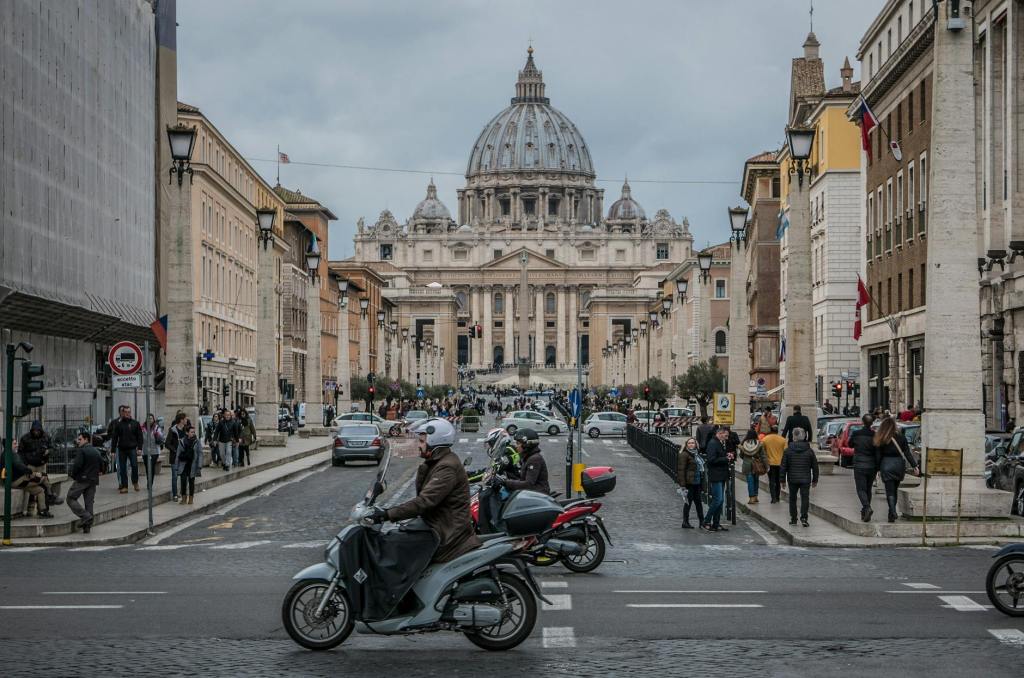
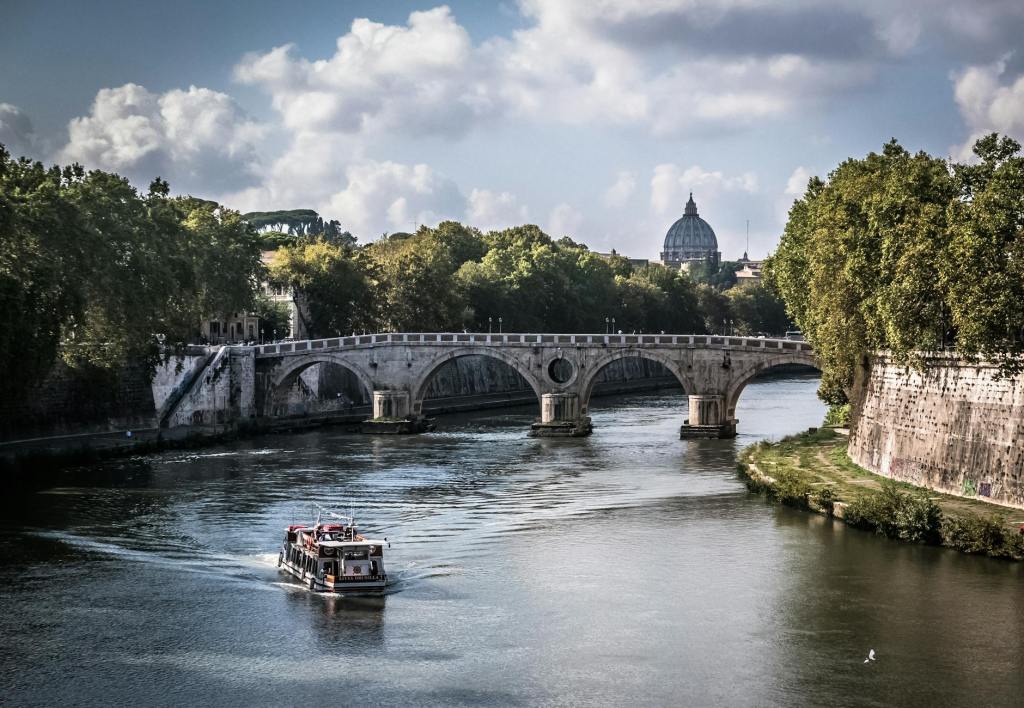
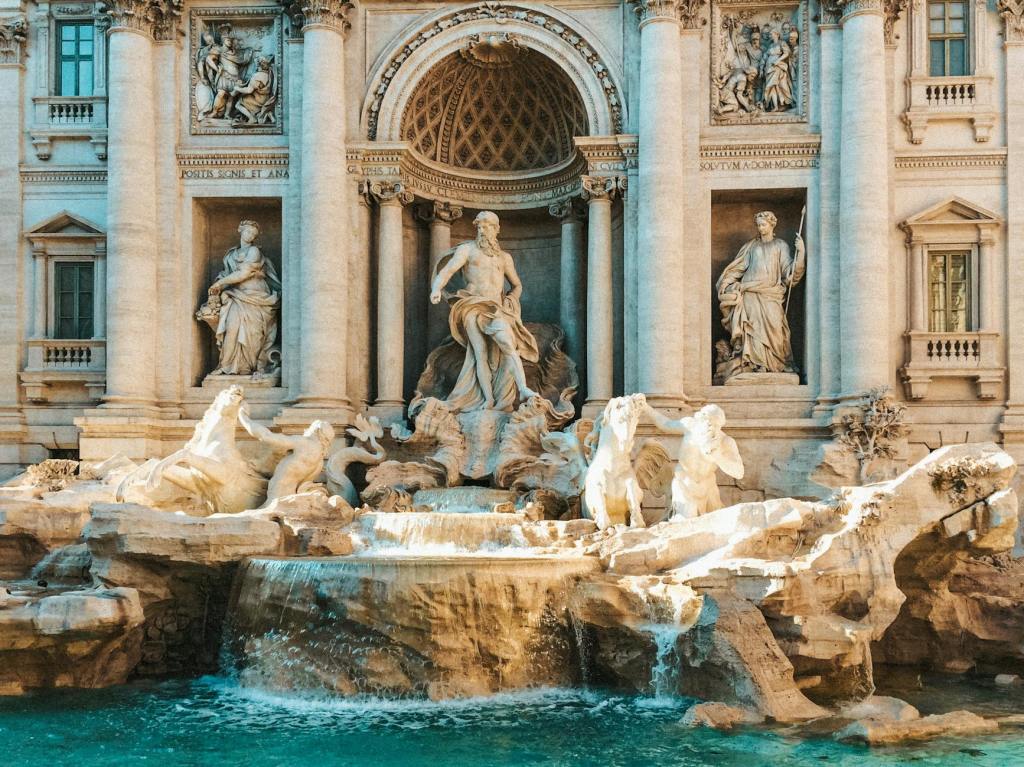
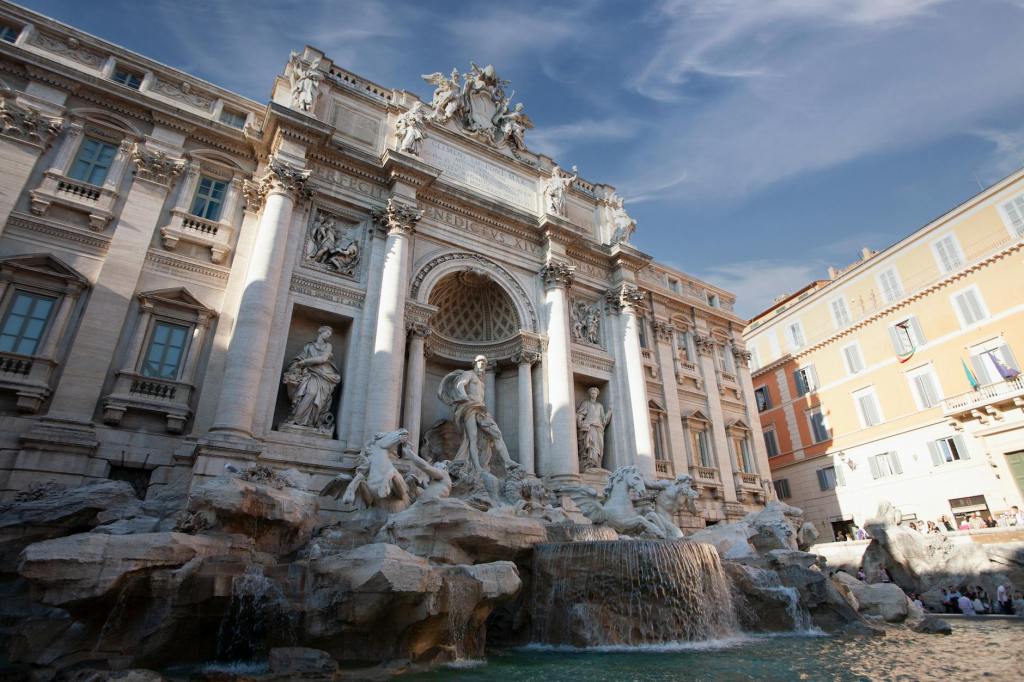
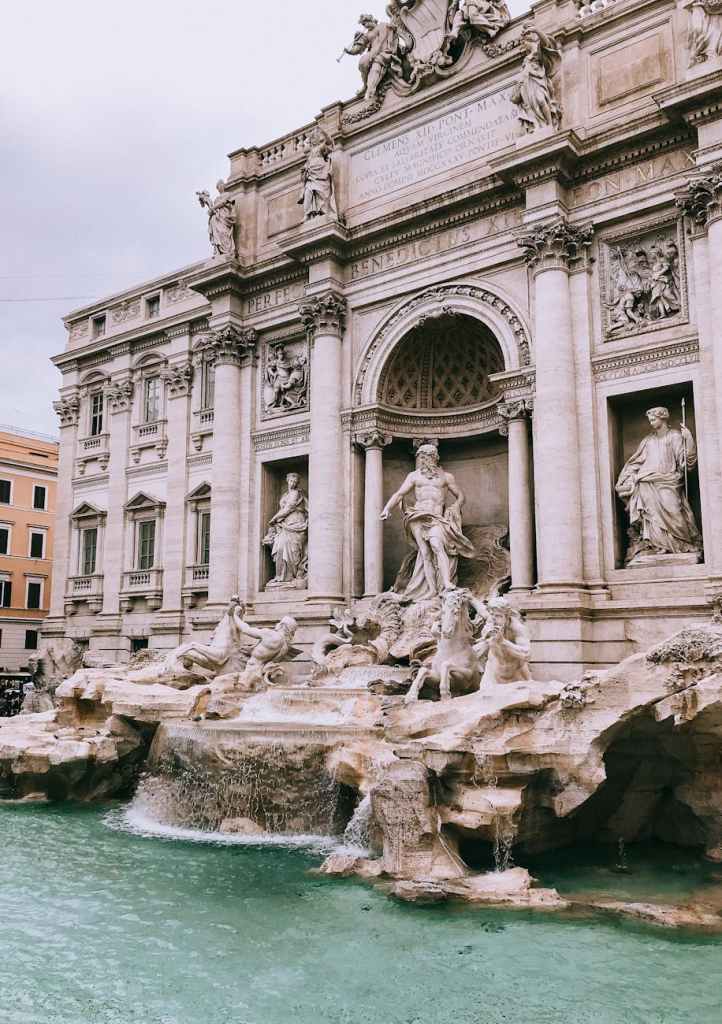
Our accommodation was down a narrow cobblestone street, only 150 metres from the Trevi Fountain, which meant two things. One, we were right in the centre of the action, and two, so were hordes of other tourists. We didn’t realise before we arrived in Rome that we were there at the time of the 2025 Catholic Jubilee. During this time, 1 million extra people would be in Rome, on top of the regular tourist numbers. And as we tried to get close to the Trevi Fountain, it felt like all 1 million had decided to check it out at the same time as us. Luckily, at around 26 metres high and 49 metres wide, we still managed to see some of it from our vantage point.
But we wanted a closer look, so we pushed through the crowds, and when we got close enough to see all of it without obstruction, I remembered how on my last visit, I’d thrown coins in. It had taken a while, but the coins had done their trick, and I was back in Rome. Built in the 18th century, it is the largest Baroque fountain in the city and one of the most famous fountains in the world.
Having left home over twenty hours ago, and not being able to sleep on the plane, we spent the rest of the afternoon exploring the cobblestone streets near our hotel, rather than going further afield. But with so much in the vicinity, there were plenty of sights to see. And the excitement of being back in Europe was enough to keep the tiredness at bay.
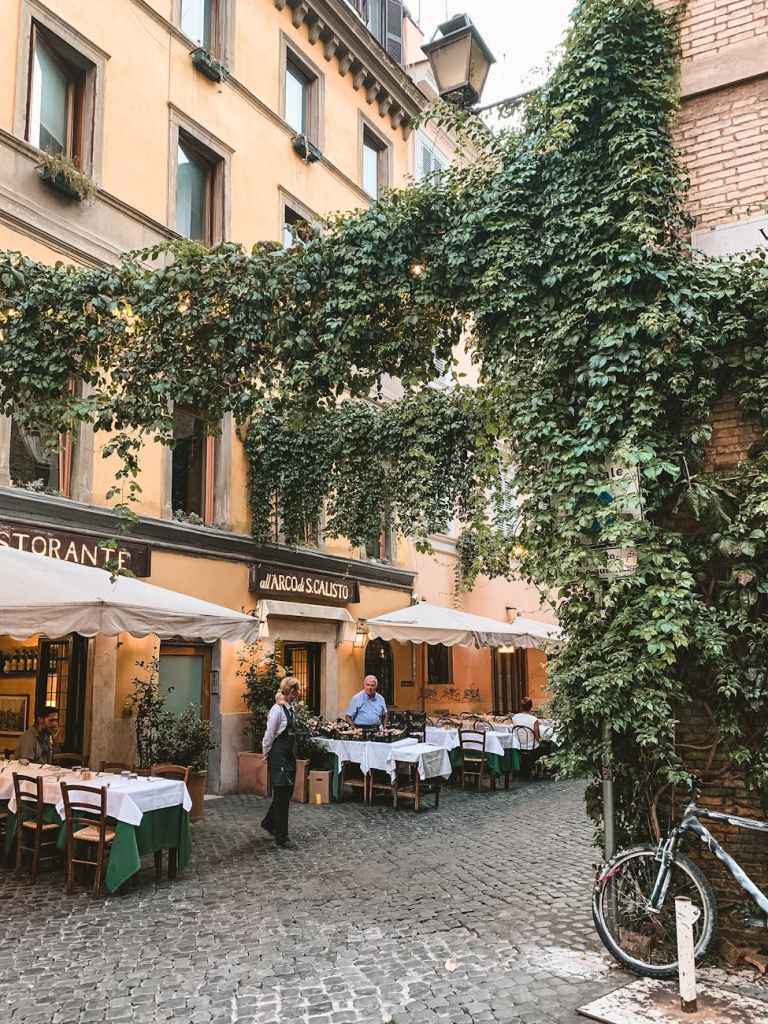
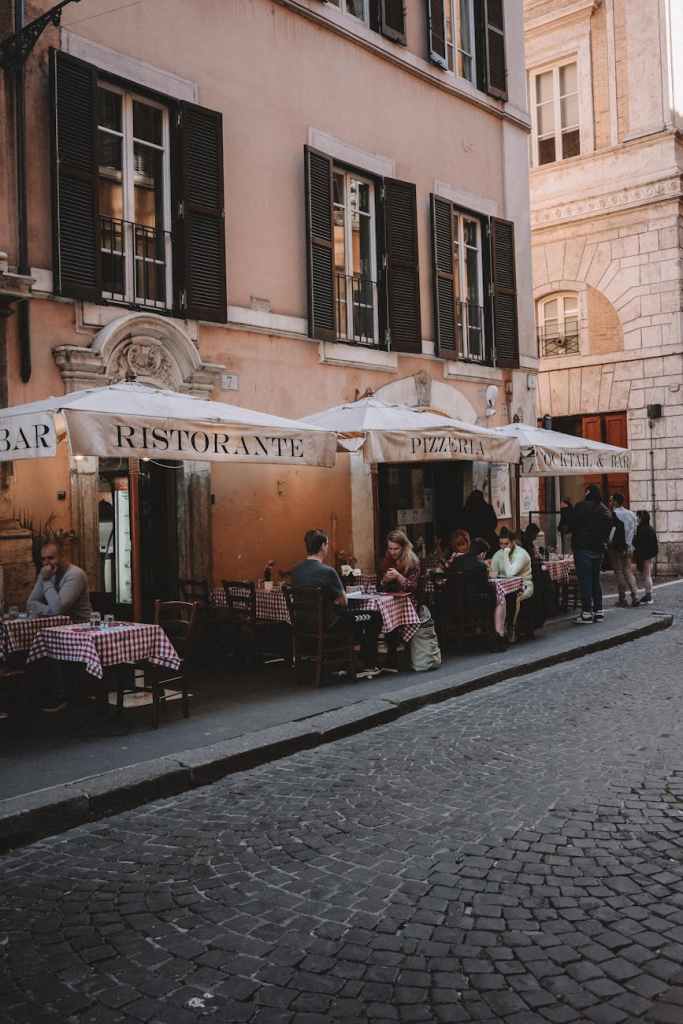
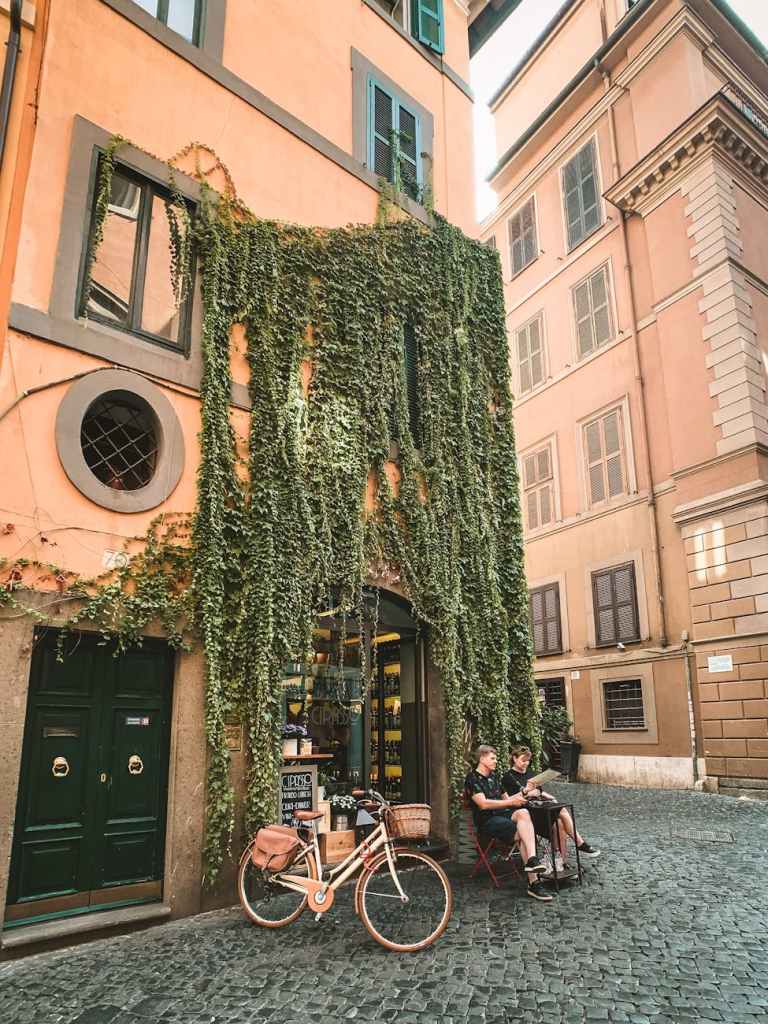
The next morning, we had a tour of the Vatican booked, and after having seen the state of the traffic the day before, we decided to walk the three kilometres from our hotel rather than be stuck in gridlock. The walk also gave us a chance to duck down alleyways and take streets that we wouldn’t have otherwise seen. And we had plenty of time to take everything in as, between the number of tourists, combined with the pilgrims, our walking pace was considerably less than it normally would have been.
The Vatican, or as it’s officially known, the Vatican City State, a sovereign city-state, ruled by the pope, came into existence in 1929. It is visited by around 10 million people a year and has a dress code to adhere to if you want to enter.
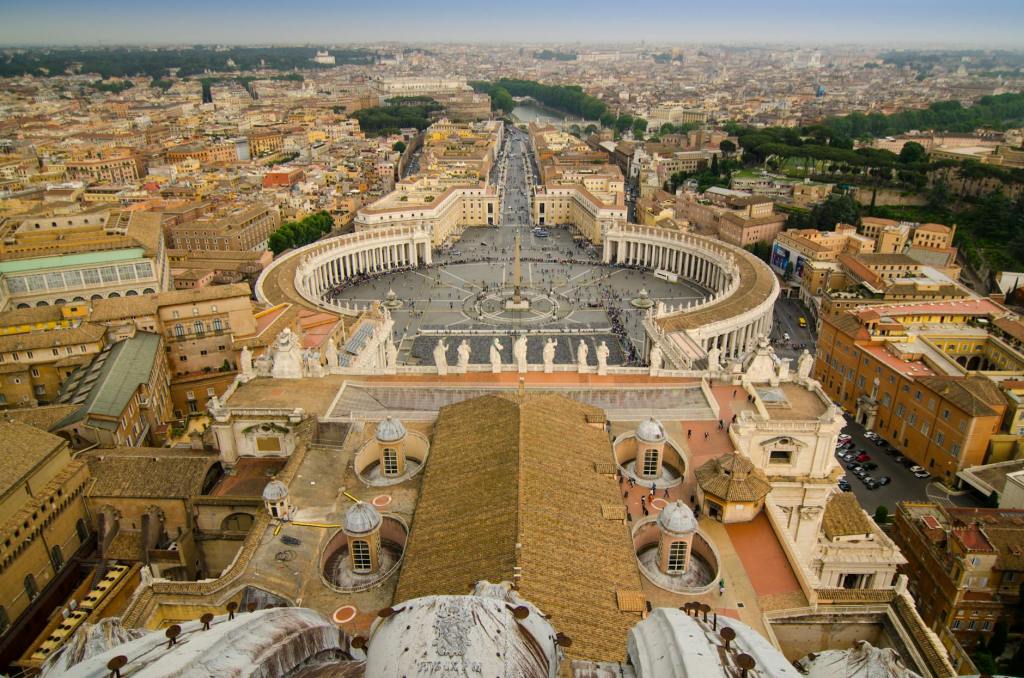
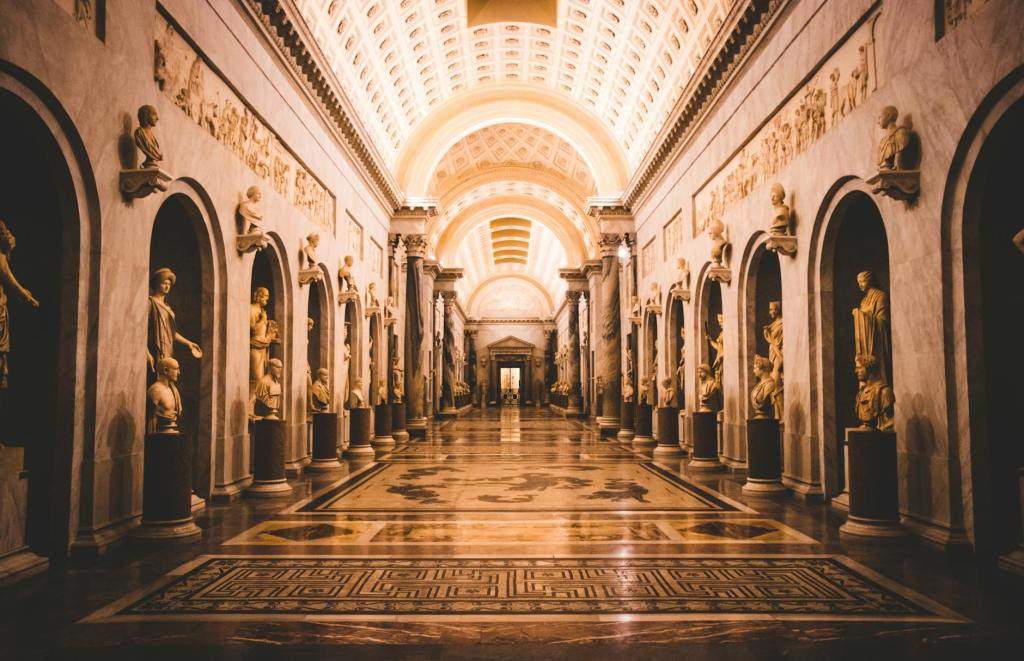
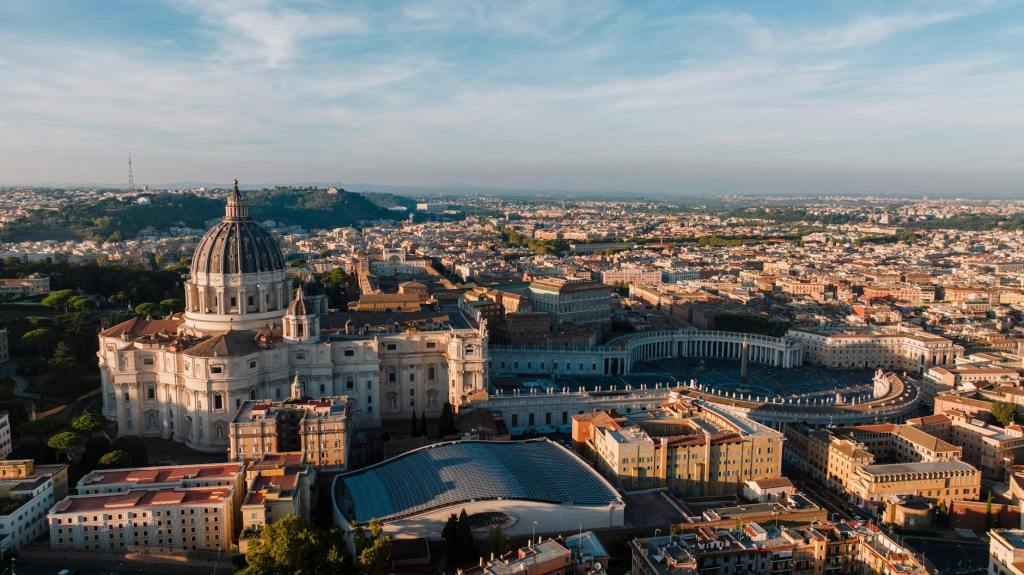
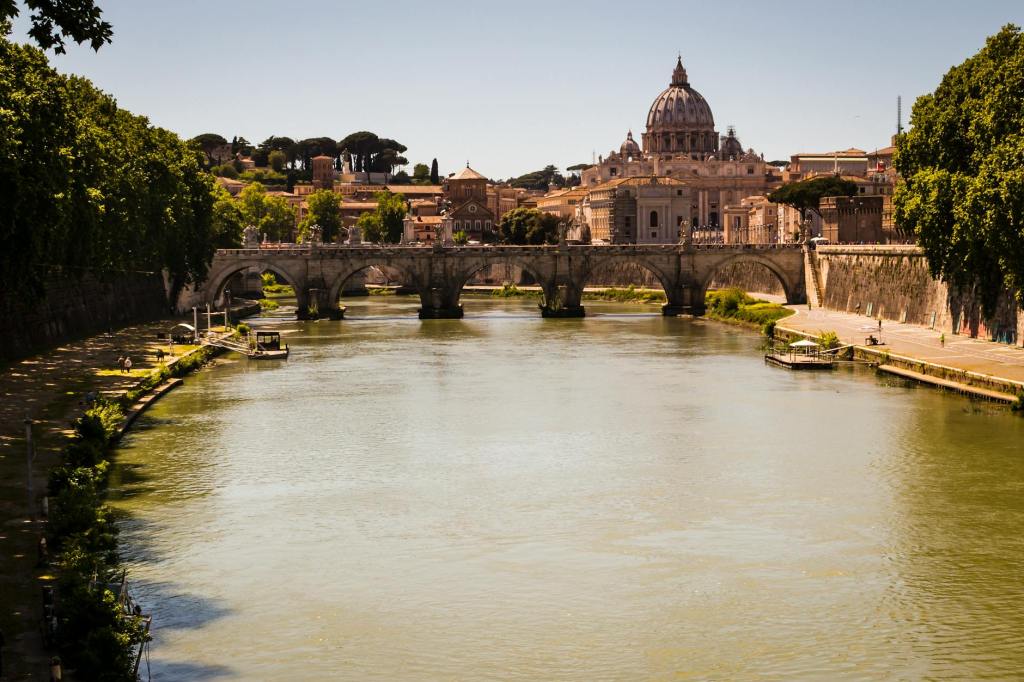
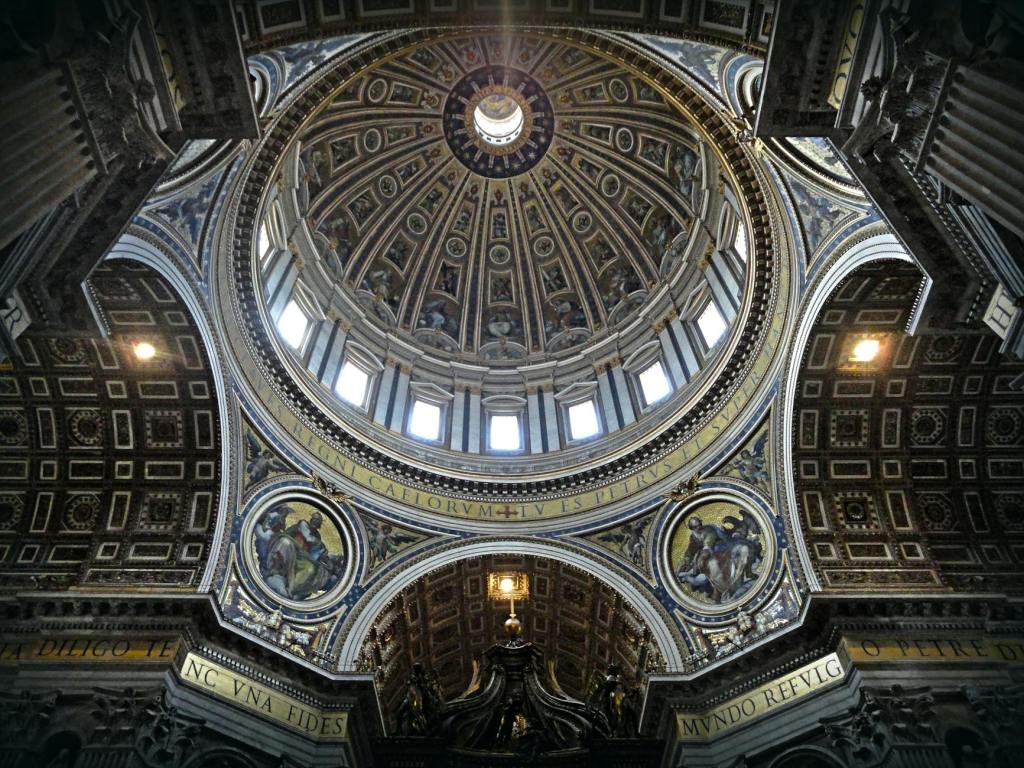
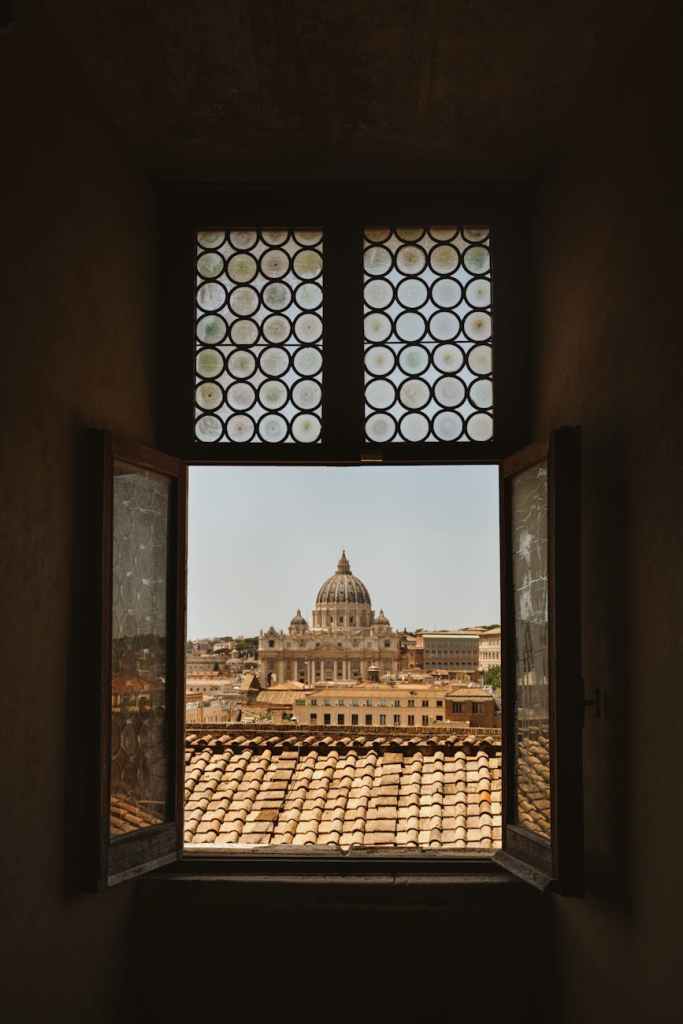
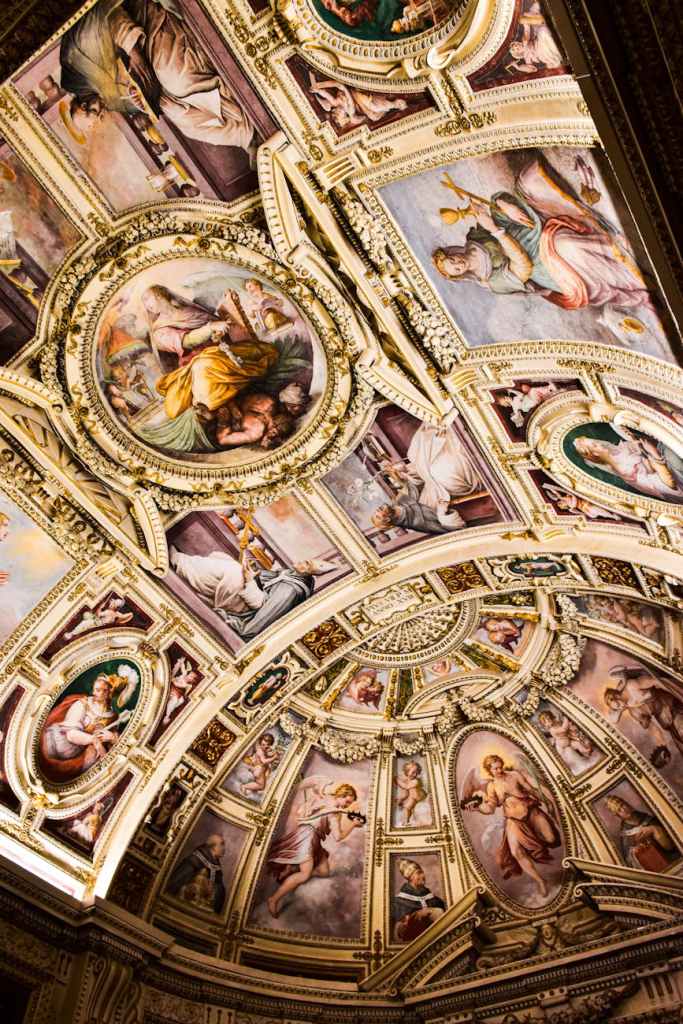
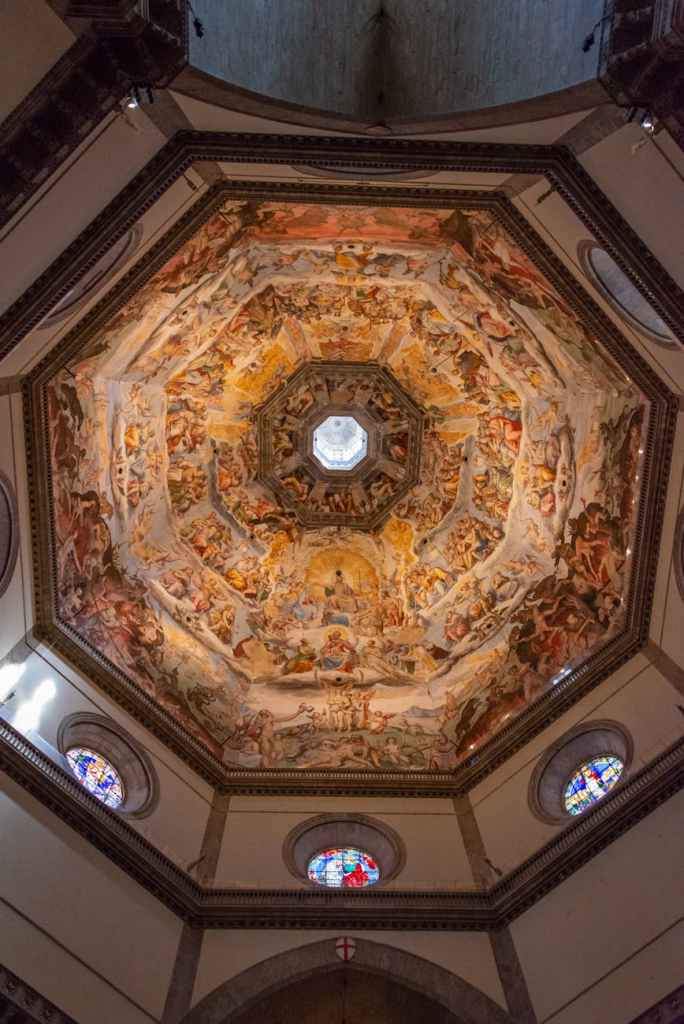
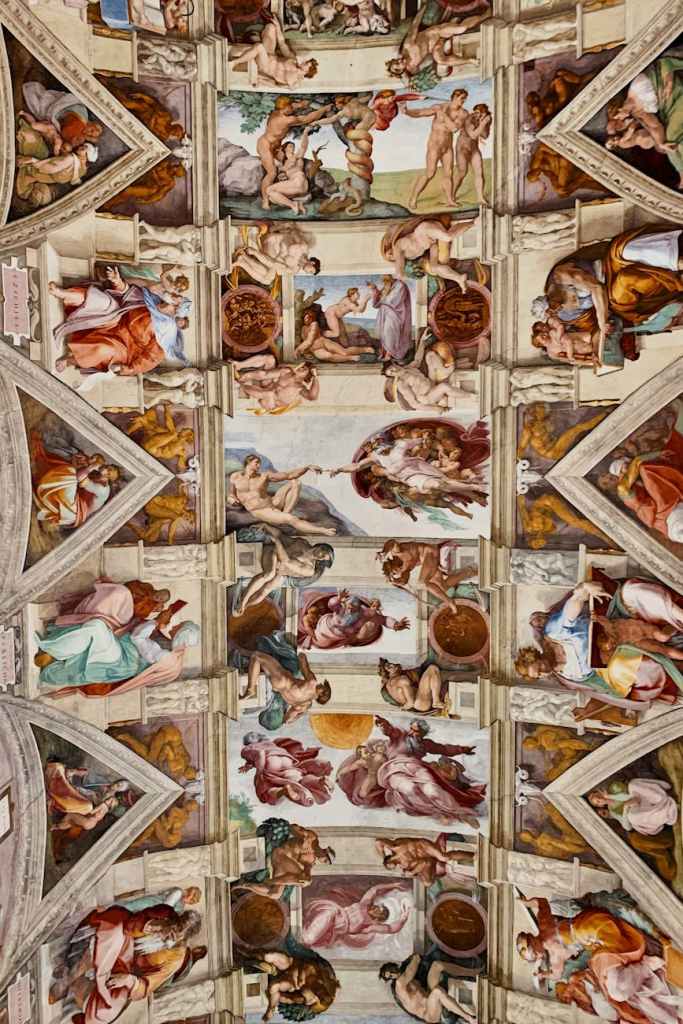
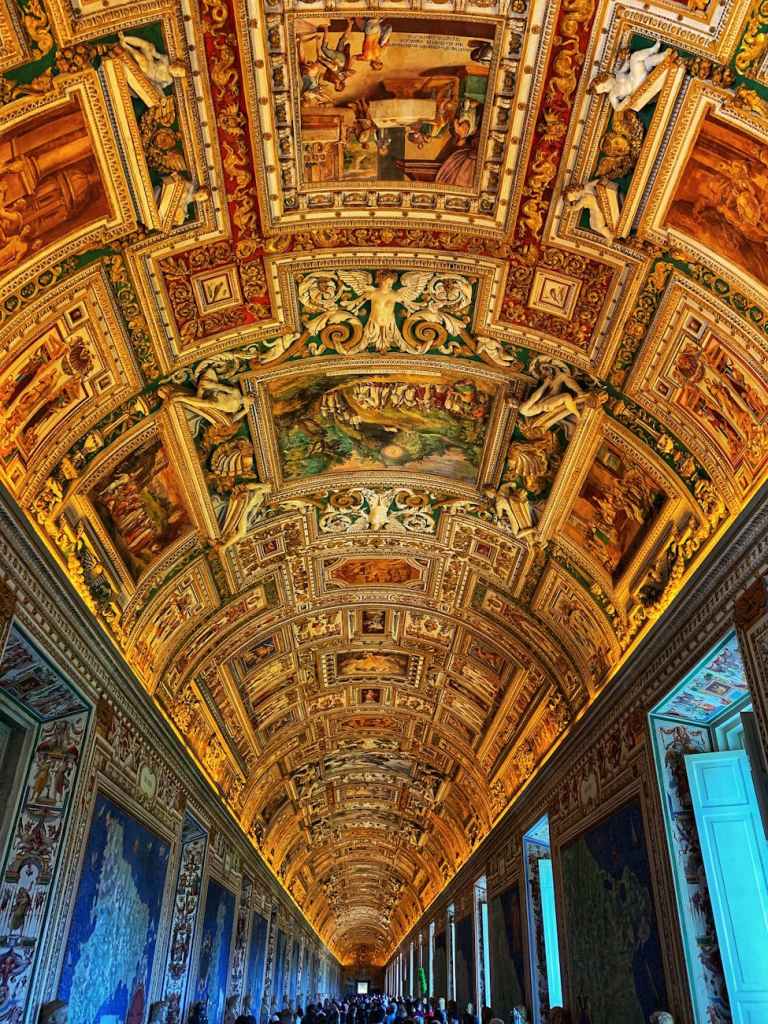
We’d opted for a guided tour of the Vatican so we could learn more about its history and the artwork and artefacts contained inside. It was only a small group, but unfortunately, it contained a multi-generational family from America who whinged and complained from the minute we set off. Their behaviour was so atrocious that our tour ended fifteen minutes before it was supposed to because they hounded the tour guide away. Thankfully for those of us remaining, it meant we could extricate ourselves from the pests and see the last stop, the Sistine Chapel, in peace. Built between 1473 and 1481, it’s famous because of the frescoes on the inside, particularly the ceiling and The Last Judgement, both by Michelangelo, and because it’s the site of the papal conclave, the process by which a new pope is selected.
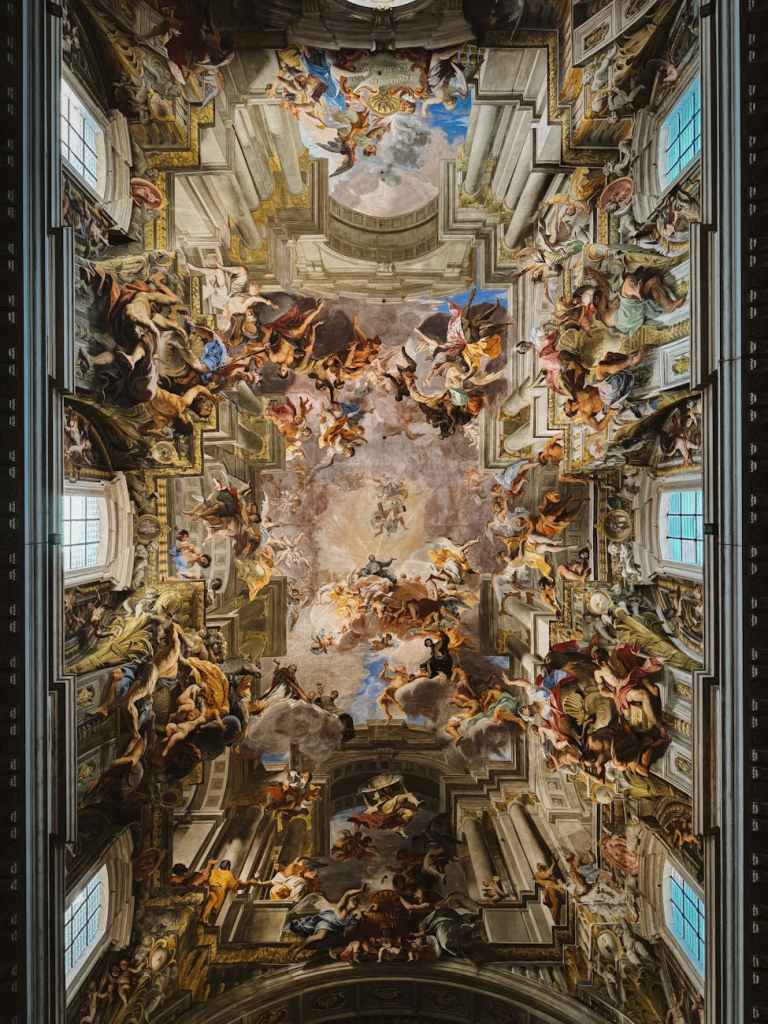
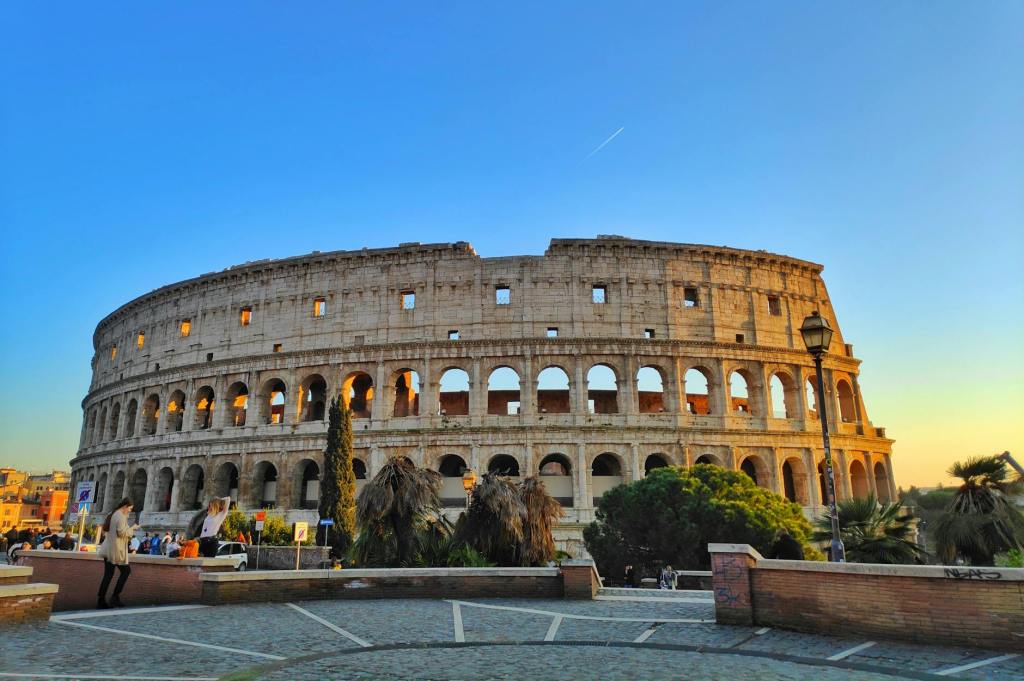
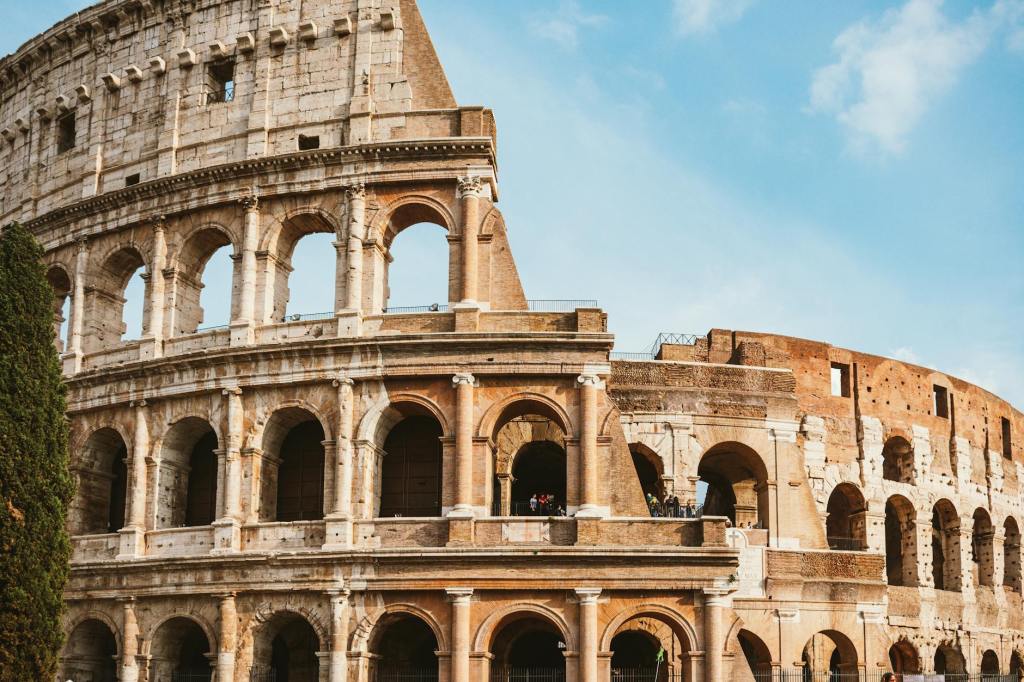
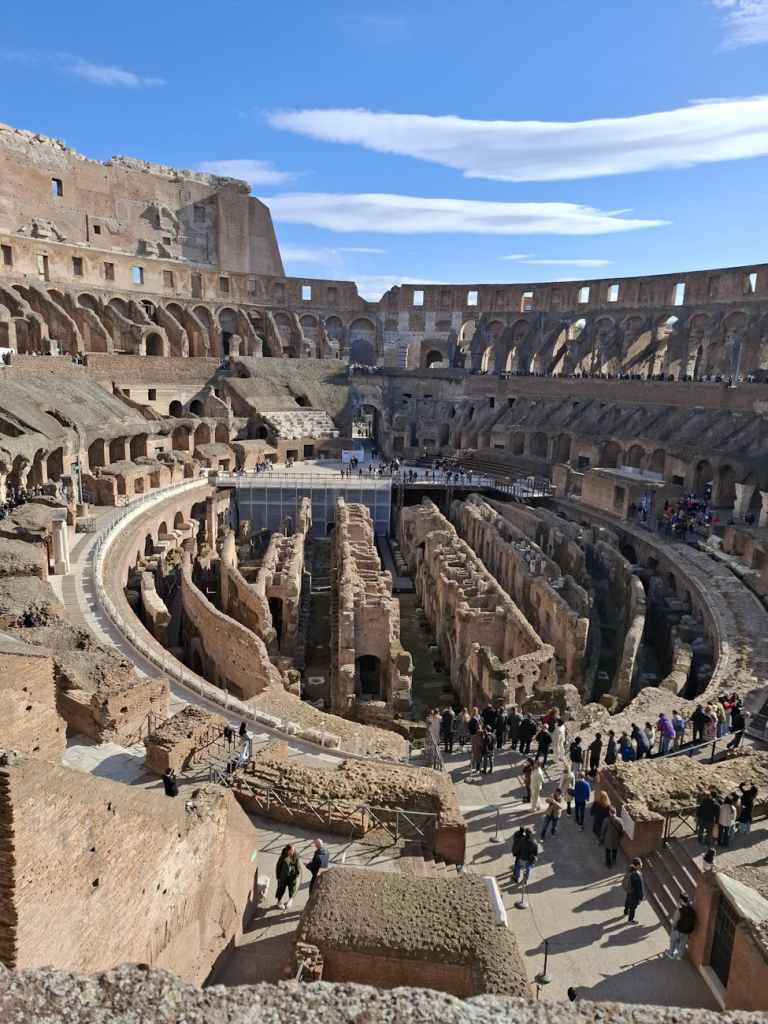
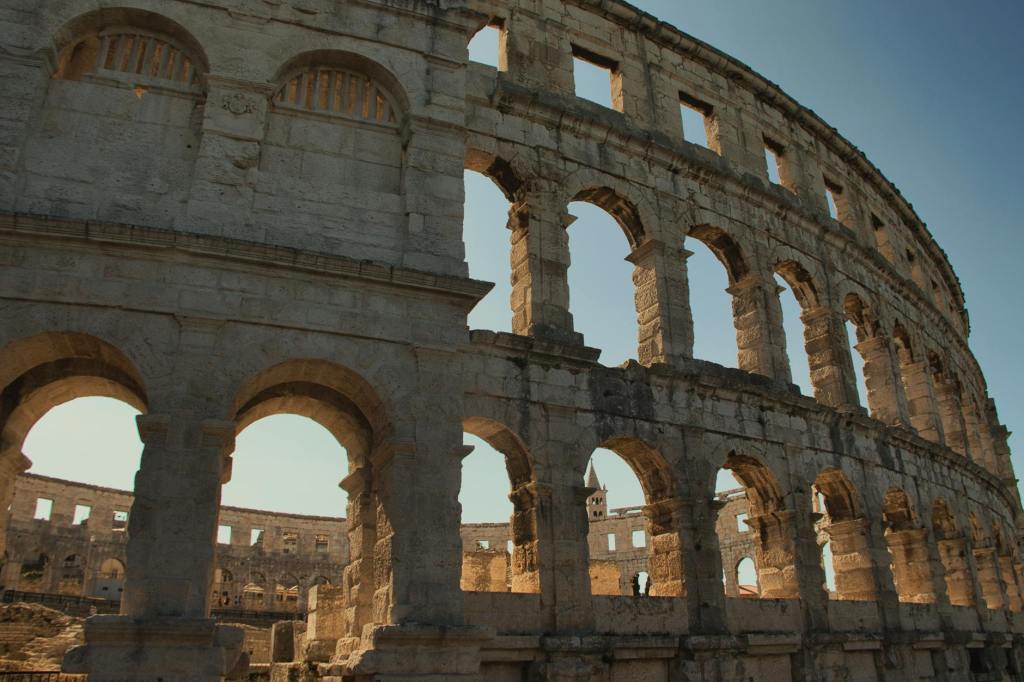
The next stop on our itinerary kept us in the past, but far earlier. With construction starting in 69 AD, the fact that there’s any part of the Colosseum still standing is a testament to the way it was built and to the desire of the Italians to preserve their ancient history.
The Colosseum was used for gladiator contests, animal hunts, executions, plays, and re-enactments of famous battles. At one time, it was also used for mock sea battles. With an average crowd of 65,000 people, there were enough seats to accommodate those in attendance, although depending on your rank in society, you either had comfortable seats with good vantage points, or you were up in the nosebleed section.
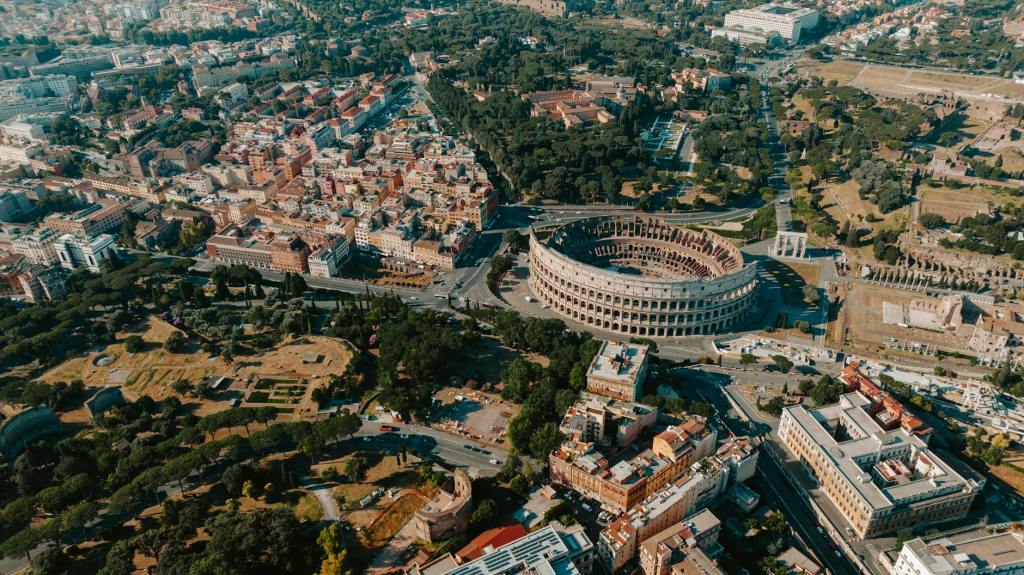
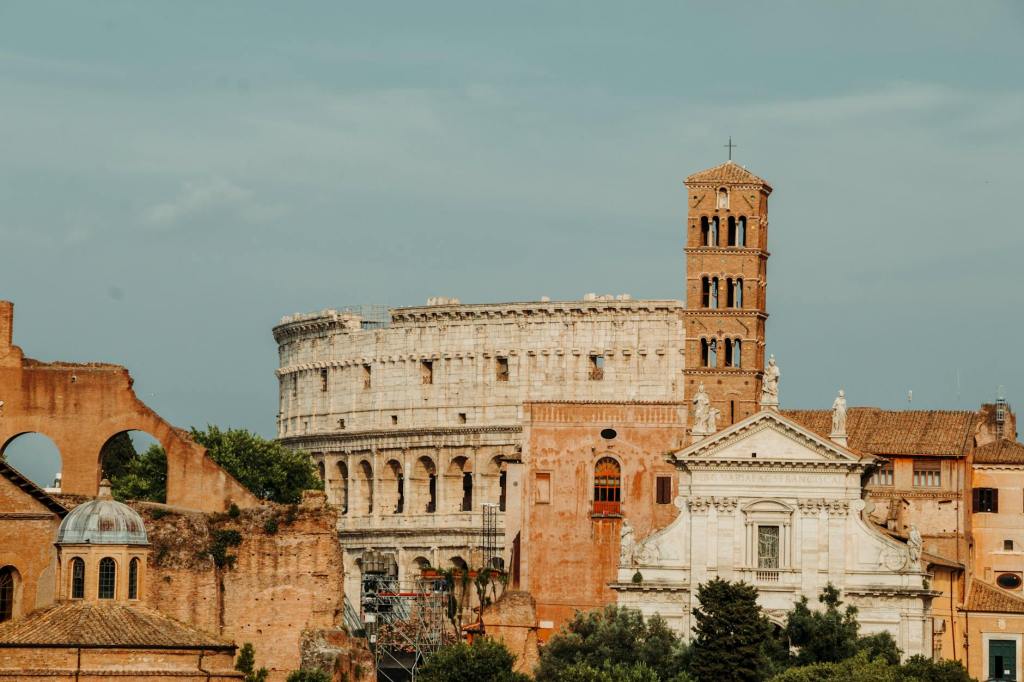
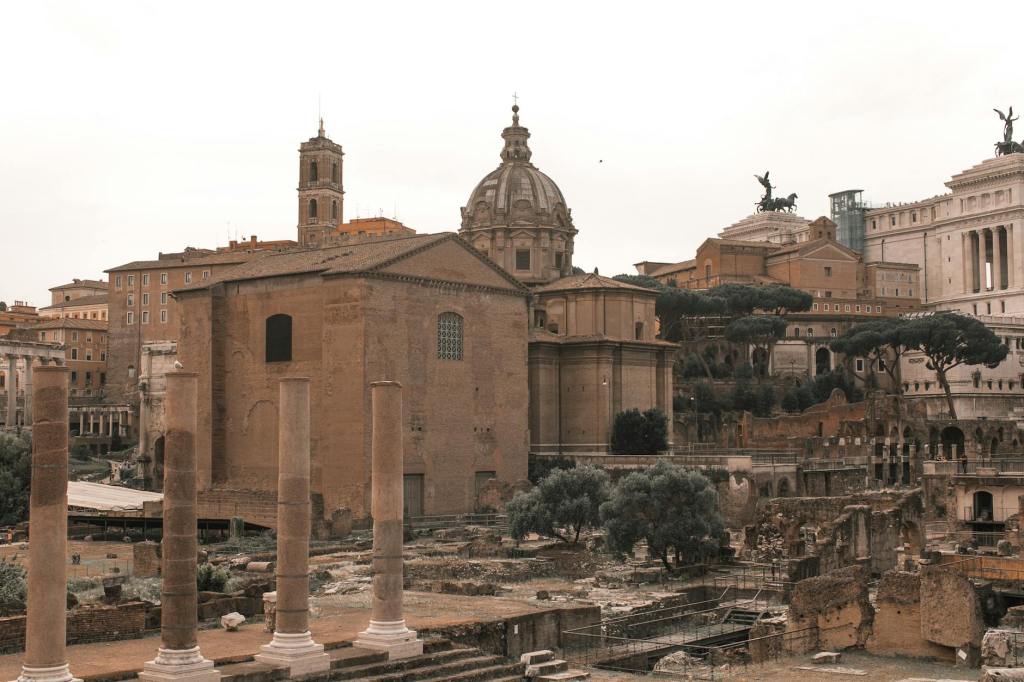
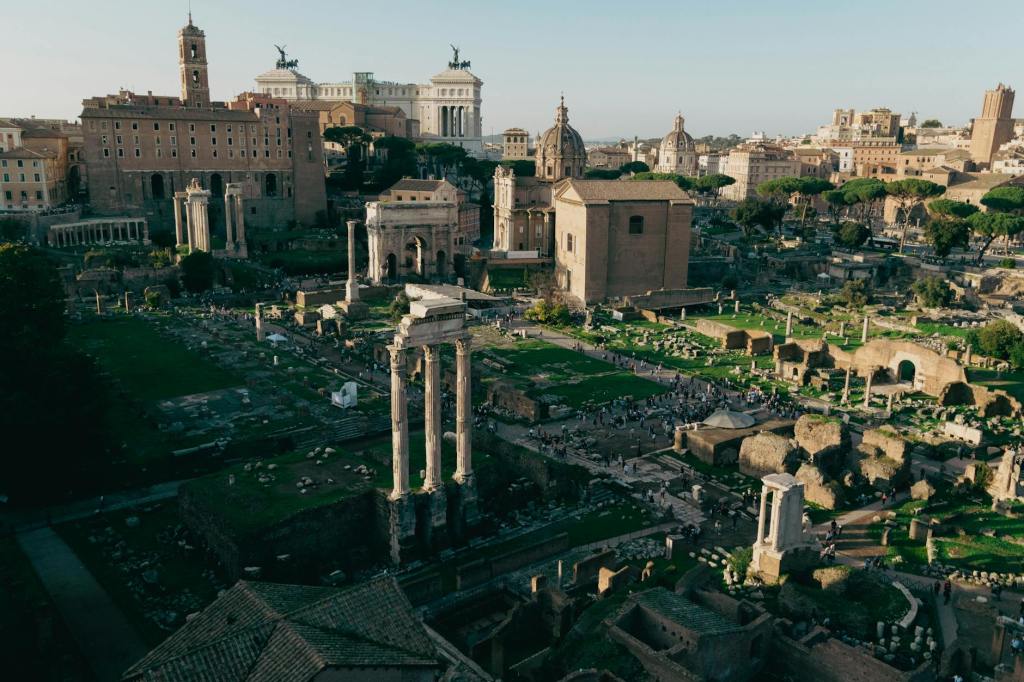
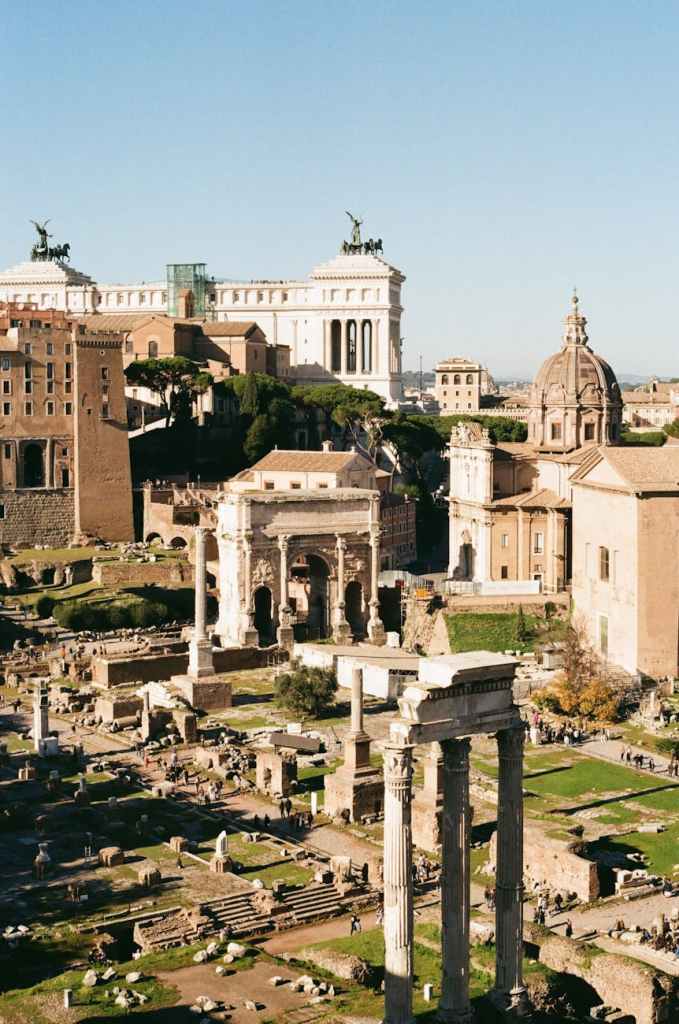
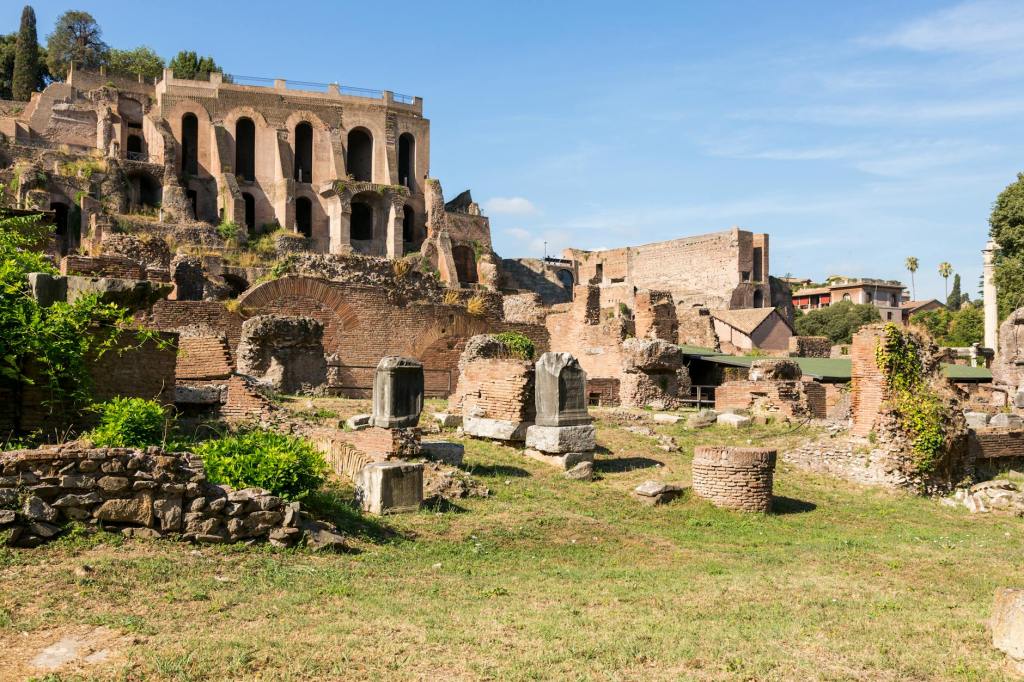
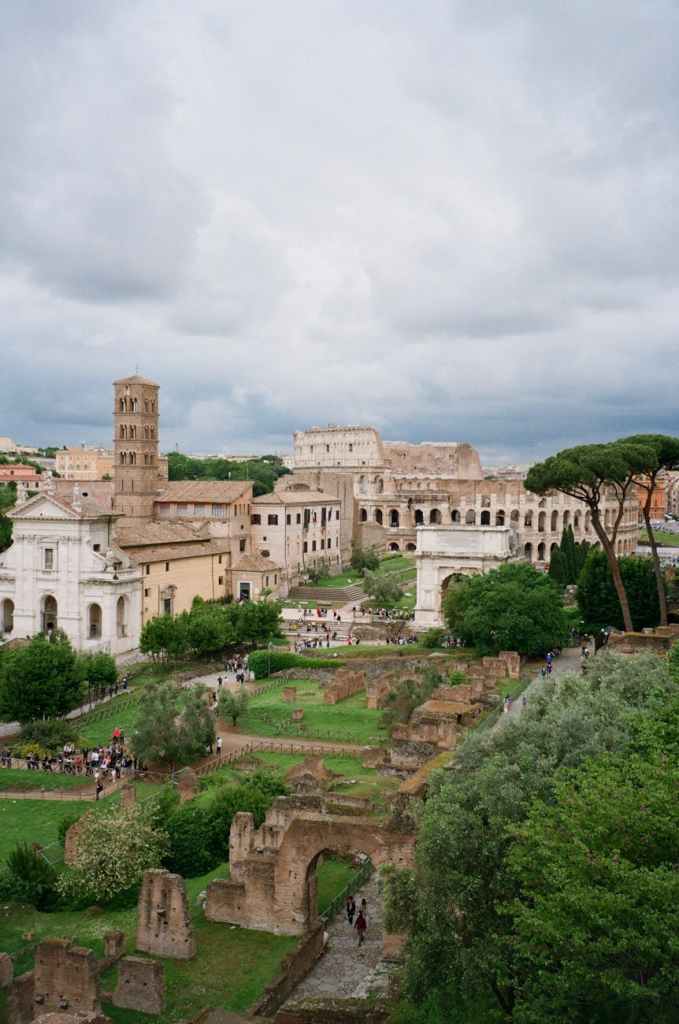
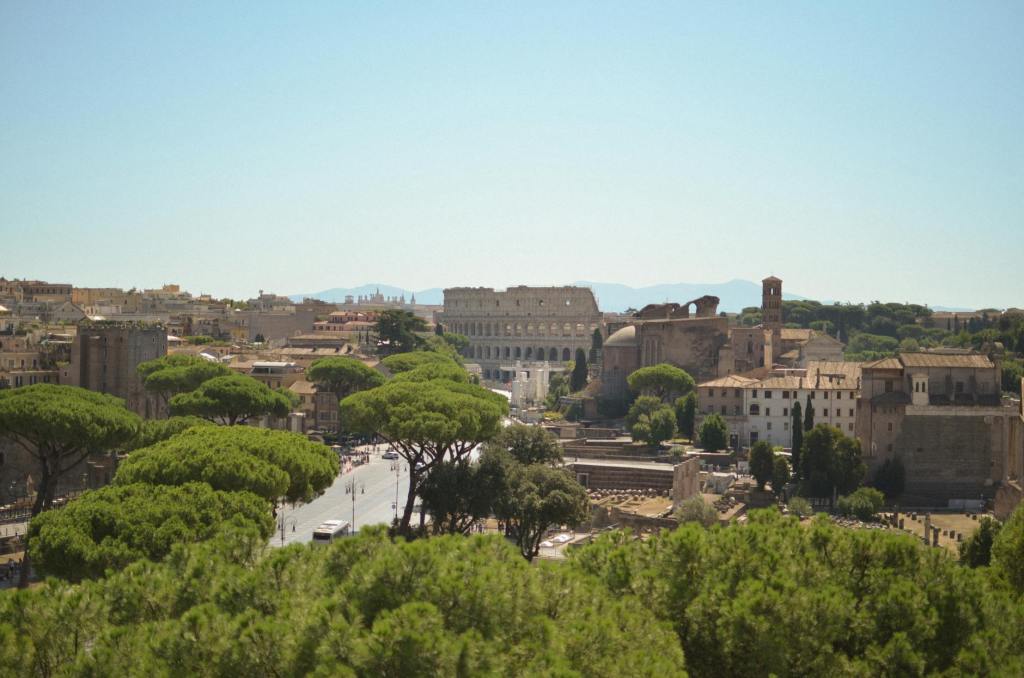
Just across the road from the Colosseum is Palatine Hill and the Roman Forum. The Roman Forum was once the heart of political and social life in ancient Rome, and today you can still see remnants of temples, basilicas, and government buildings. Construction started in the 7th century BC, and the forum covered about 11,736 sq metres of land.
At Palatine Hill, the birthplace of Rome, you can still see ruins of imperial palaces, and it also features beautiful gardens with stunning views across the city. It was home to Rome’s elite and the centre of power for the Roman Empire.
After many kilometres of walking in 37-degree heat, we took a quick breather and a cold beverage before embarking on the last adventure for the day, one that turned out to be an amazing highlight.
We were almost at the meeting point when we first spotted the car – a 1966 convertible blue Fiat, our transport for our sunset and evening tour of Rome. We hadn’t even hopped in the car when we noticed the attention it was attracting, something that continued until later in the evening when we said goodbye to the tiny car and our driver, Ery.
During the four hours we were in the car, there were so many photos taken (of the car, but as we were in the car, we were in them too) that we felt like we were famous. And with the car looking like a large roller skate, we could venture down narrow cobblestone streets, some with restaurants on either side, so close that we could have reached over and taken someone’s entrée off their plate.
The car took us through Trastevere, one of the most picturesque and enchanting areas of the city, well known for its labyrinth of cobblestone streets (many of which are pedestrianised, so the area draws crowds of people who come out for a stroll), abundance of restaurants, gardens, and old stone buildings. In recent years, students from other countries studying in Rome have made the area their home, bringing a sense of multiculturalism to the area.
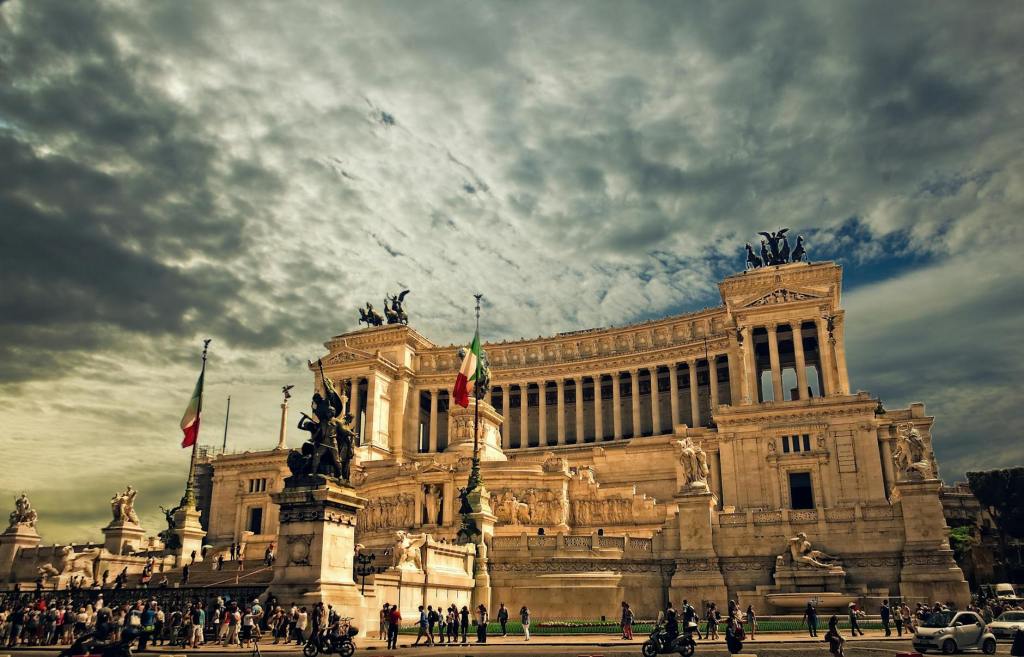
Also on the itinerary was St Peter’s, the Trevi Fountain, Pantheon, Castel Sant’Angelo, the Spanish Steps, Piazza Navona, and the Victor Emmanuel II Monument.
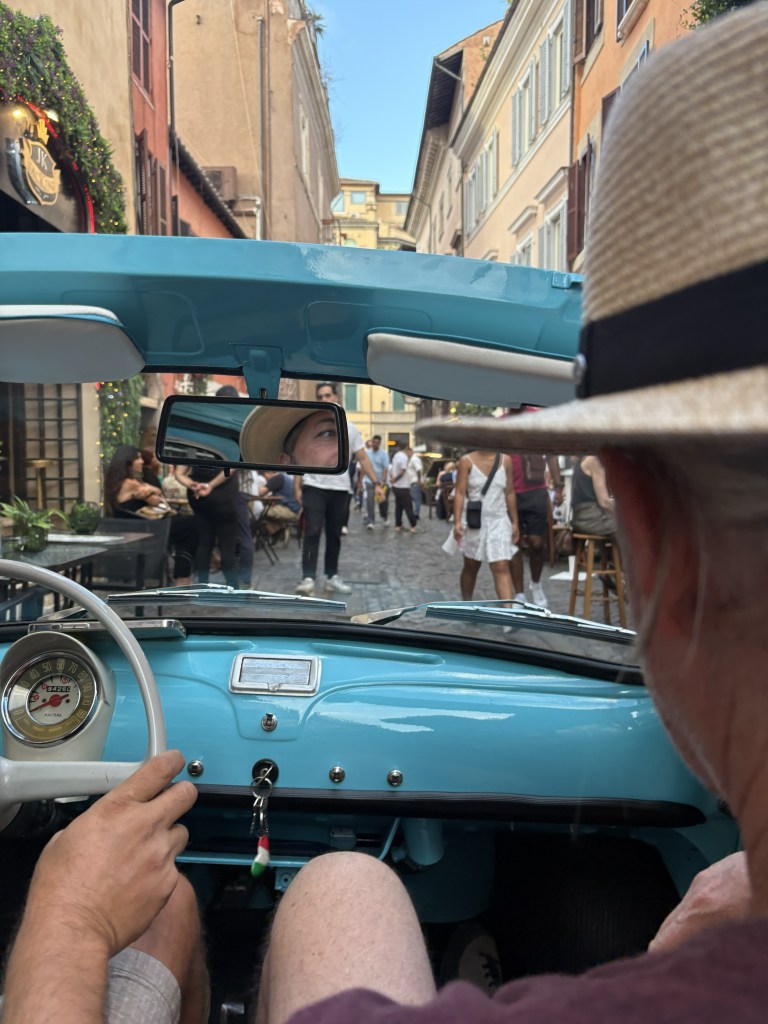
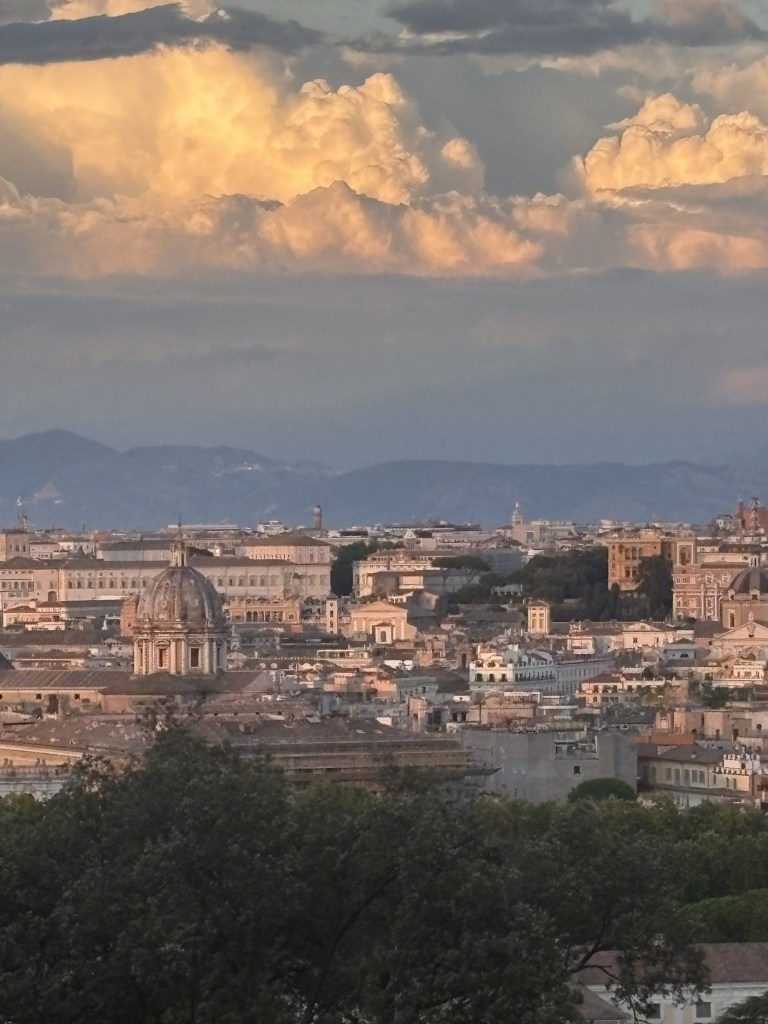

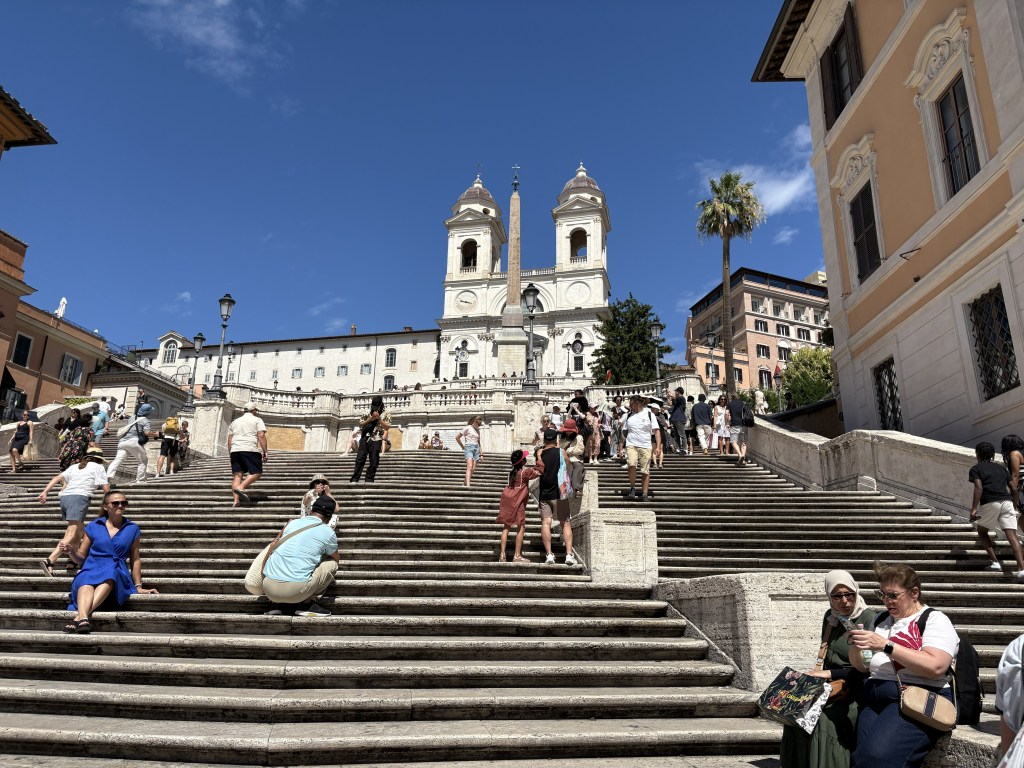
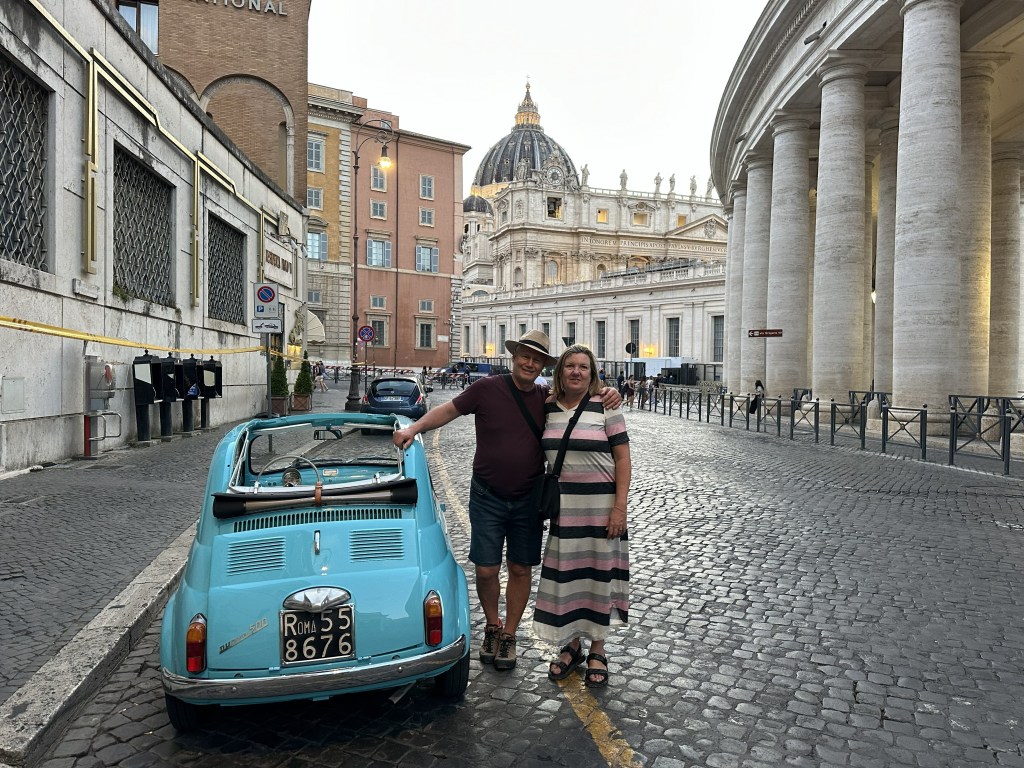
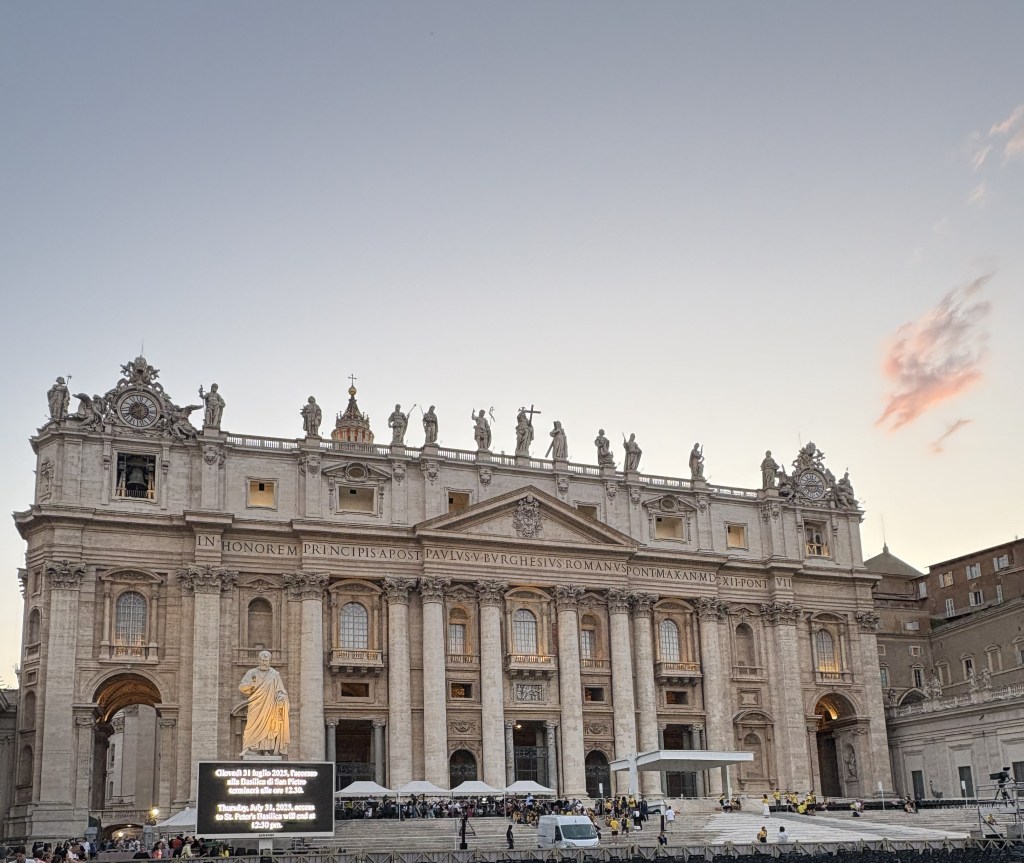
We were particularly keen on seeing St Peter’s as the basilica was closed for the Jubilee to anyone other than the Catholic pilgrims who’d descended on the city. While we couldn’t go inside, we got a great view of the outside as well as the surrounding square. And here, like everywhere we went while crammed in the back of the Fiat, Ery, took photos. By the time the tour was over, we had more than 100 photos of us with the Fiat somewhere in the picture. It was a unique experience and I’m glad we added it to our itinerary. It made our sunset and nighttime tour of Rome that much more special.
Musings
Can Anyone Spare a SIM?
By Shelley Banks
Last year, I was lucky enough to spend two months wandering around Europe. Given the time of year, I was told by countless people that I was to refer to the trip as our Euro Summer. Eight weeks, seven countries, a myriad of amazing experiences. And one not so amazing. On day two on the continent, my phone stopped working. I couldn’t make or receive calls or send or receive texts. I couldn’t access data either (except when connected to Wi-Fi). This was a problem as all the travel plans were on my phone and all the accommodation, tours, and transfers we’d booked, had my phone number as the contact.
In a slight panic, I borrowed my husband’s phone and called Telstra. Luckily, the number to call from overseas is free because I spent an hour trying unsuccessfully to get some sort of customer service. Transferred from one person to another, no one seemed inclined to provide any assistance in diagnosing the problem. My phone worked perfectly well in Australia, and international roaming was set up (and working as I’d used it six months earlier in the Philippines). But the only response I got from those in ‘customer service’ was a common refrain of ‘there’s nothing we can do; it should be working’. After finally getting the last person I spoke with to raise a ticket, I hung up.
But when I’d heard nothing a week later, I followed up, only to find that nothing had been progressed. So, I raised the issue again, this time, getting an email with the ticket number and the advice that I could reply to that email if I needed an update. Which I did, four days later, as I hadn’t heard anything. And replied to again another four days after that, as I still hadn’t received an update. Instead of replying to my query as promised, Telstra suspended my email because some genius thought my replies were AI generated and not from one of their customers. So now I had no phone and no email.
Another phone call, this time with a franker tone, I was again advised there was nothing they could do. I know that Telstra is not known for its customer service, but this was shocking. Leaving a customer stranded overseas.
We were finally able to find a workaround for the email on our own but couldn’t do the same for calls or texts. So, for two months, I was uncontactable through either of those methods.
When we got back, I got in touch with Telstra again, only to be advised that I’d need to go into a store. They couldn’t help me online. So, an appointment was made and after only fifteen minutes, with no resolution achieved, the technician who had the unfortunate luck of getting me as a customer (I was ropable by this stage), decided to try putting in a new SIM card. And all at once, everything worked. To say I was happy was an understatement. Then, the technician said he was surprised that during my phone calls from overseas, no one had mentioned it could be the SIM card, as it was a common problem.
And then my crankiness returned. If this was a common problem, why hadn’t anyone mentioned it during my infuriating phone calls? I couldn’t believe that a company that increasingly only wants to deal with people over the phone or online, provided no assistance and left me stranded when I tried those methods of contact. But when I sat down with someone, face-to-face, not only did I get actual customer service, but the problem was sorted out quickly.
It’s hard to get face-to-face customer service anymore. Businesses want you to go online so they can save money. But this experience just reinforced that talking with someone, face-to-face, is the quickest and easiest way to get something sorted out. It’s difficult to be blasé about helping someone when they’re sitting right in front of you.
Short Story
Has Anyone Seen the Bus?
By Shelley Banks
Maria heaved a sigh of relief. Her first guided tour and everything had gone well. The weather was kind – not too hot for walking, and a gentle breeze had sprung up. She’d taken her group to the front of the line at each attraction, as she’d organised in the preceding days. And despite hearing warnings from more experienced guides at the company where she now worked, none of the participants had become stroppy or demanding. The tour started and finished on time, and the response from those taking part had been positive. Now, it was time to head back to the bus. Even though the cruise ship didn’t leave port for another four hours, Maria wanted the passengers to get back in plenty of time, especially in case they encountered any roadworks or accidents on the way back.
The highlights of the tour were the Monastery of Taxiarches-Tsoukas, built in 1254, and the waterfall of Agia Anna, which was located just below it. There’d been other things to look at on the way, but those places were the ones where Maria spent most of her time multi-tasking – sharing information about what they were looking at and taking photos. There wasn’t anyone in the group who didn’t want her to take their picture. By the time she was finished taking photos, Maria was looking forward to getting back on the bus. It had been more tiring than she’d thought, but it was her first day and she was sure she’d get used to it.
‘Ok, time to go,’ she called out as she turned her head left and right, making sure she could account for everyone in her group. ‘The bus will be on the road, not far from the car park entrance.’
‘Why isn’t it in the car park?’ Sebastian, a lawyer from the French Caribbean, piped up. ‘My wife and I are both getting tired, and we don’t want to walk too far.’
‘I understand,’ Maria replied. ‘We’ve done a lot of walking today. But the car park doesn’t have a space big enough for the bus to park. And it’s only a few minutes to where the bus will be.’
Sebastian nodded his head. ‘That’s ok then. Let’s go.’
It didn’t take them long to reach the car park, and the group followed Maria as she walked to the entrance and then turned left on the footpath. The driver had said he’d be just around the corner.
But when they got to the spot, there was no bus in sight. Maria rang the bus driver, but there was no answer. Wondering if she was supposed to go right instead of left, she turned the group around and headed that way.
‘It’s not too far,’ she assured those walking behind her. ‘We’ll be back on the bus in no time.’
But the bus wasn’t to the right either. Again, she tried calling but no luck.
‘Let’s just wait in the shade until I can get hold of the driver,’ she pronounced.
No one said anything to her, but she could hear mumbling within the group.
When she finally got hold of the driver, she was informed that he’d had to move away from the area. He gave her the location and said he would wait for them. So, the group recommenced walking. And kept walking. The pick-up spot wasn’t as close as the driver said it was. And that’s when the formerly polite group started grumbling in earnest.
‘Where’s the bus?’ Sophia, an older lady from Sicily, exclaimed, stamping her walking stick. ‘We’ve been moving for a long time and we’re still not there.’
‘I want to know where it is, too,’ Hank, from South Dakota chimed in, with an unpleasant tone.
‘I’m sure it’s not far now,’ Maria replied, crossing her fingers behind her back.
Sophia piped up again. ‘You don’t actually know where we’re going, do you?’
Maria wasn’t going to admit that she didn’t. ‘I’m following the directions the driver gave me.’
‘I don’t want to walk anymore,’ a woman from Albania, whose name Maria had forgotten chimed in.
Her husband agreed. ‘Can you just get the driver to come here. We’re all hot and tired now.’
All through the group, heads nodded, and Maria could see the looks of displeasure on their faces.
‘This is not what was promised in the brochure,’ Sebastian complained. ‘I’ll have something to say about this when we get back to the ship.’
The last thing Maria needed was complaints on her first day. It might mean there wouldn’t be a second. Calling the driver again, she asked him to come to where the group was standing. At first, he refused, but the more Maria spoke, the more her tone changed, and by the end, she was barely containing her anger.
Realising that it was the driver, not Maria, who had caused their current predicament, produced a change of mood in the group, and it didn’t take long for them to be back on Maria’s side. Something they made evident when the bus finally turned up.
Still not sure what would happen afterwards, Maria was pleasantly surprised when the next day, after arriving at the office, she was told she’d received positive feedback for her first tour.
When she picked up her next group, she could already tell there were troublemakers. But she didn’t let that bother her. After yesterday, today would be a breeze.
Something Light
Who Put Those Stairs There?
By Shelley Banks
One of the things I love about travelling in Europe is seeing the built history, so different from what we have in our country. The walled cities, centuries-old buildings, cobblestone streets and ancient ruins around which modern day cities have sprung up. Not to mention the magnificent architecture, art, and music. What I don’t like as much is the hundreds of stone steps you need to climb to get anywhere. Pretty to look at, but steep and slippery to walk on, thanks to the colossal number of feet that have trodden over them since they were built centuries ago. And a pain in the backside to get your luggage over.
Everywhere we went on our Euro Summer, necessitated, at some point, lugging our suitcases up never-ending staircases. Walled cities are nice, but they don’t come with lifts. Case in point, Riomaggiore in the Cinque Terre region of Italy.
Upon arrival in this spectacular part of the world, our taxi dropped us off at the top of town, as cars can’t go any further. No problem, we thought, and we began walking, suitcases rolling along beside us. Then the descent on the cobblestone street became steeper. And then steeper again. Before we knew it, we were gripping our suitcases as tightly as we could to stop them from hurtling out of control down the hill should we let go.
Multiple stops were required before we finally arrived at the harbour where our accommodation was situated. Exhausted from trying to wrangle our suitcases over hazardous terrain, we were happy to get there. Until we realised the apartment we were staying in was three flights up, with no lift. Three flights of slippery stone steps that wound through a narrow, dimly lit passage. And they’d clearly been built by someone with a far greater stride than us, meaning we couldn’t even take them one at a time.
When we finally made it to the apartment, the view made the effort worthwhile. But not for about an hour because that’s how long it took us to stop whinging about the stone steps and lack of a lift.
Books
If you like my short stories I’ve published ten books.



 September Sprouts